
You have the skyline photos saved, the flight alerts on, and a week of vacation days burning a hole in your calendar. The only real question standing between you and Dubai is timing. Visit in the wrong month and you will spend your days darting between air-conditioned malls. Visit in the right one and you will be sipping coffee on a JBR beach in January sunshine. This month-by-month guide breaks down Dubai’s weather, crowds, prices and events so you can pick the perfect window for your trip.
Dubai’s Climate at a Glance
Dubai sits on the edge of the Arabian Desert, which means the year splits into two basic realities: a mild, pleasant winter and a long, intense summer. From November through March, daytime highs hover between 75°F and 85°F (24–30°C), skies stay clear, and evenings turn comfortably cool. From May through September, temperatures regularly push past 104°F (40°C), with July and August the fiercest of all.
Rain is rarely a factor — Dubai averages just a handful of rainy days a year, mostly in winter, and they pass quickly. Humidity, on the other hand, matters a great deal. Late summer brings thick, oppressive humidity that can make even short walks feel exhausting. Once you understand this rhythm, choosing your month becomes a straightforward trade-off between weather, crowds and cost.
November to March: The Peak Season
This is the Dubai of the postcards. Temperatures sit in the sweet spot — warm enough for the beach, cool enough for long walks through old Dubai and the Dubai Marina promenade. January is the coolest month, with daytime highs around 75°F (24°C) and evenings that can dip to 57°F (14°C), so a light jacket comes in handy.
This is also when everyone else wants to visit. Hotel rates hit their yearly highs, popular attractions like the Burj Khalifa observation decks and desert safaris sell out faster, and beach clubs fill up on weekends. If you want the best weather, you will pay for it — and booking flights and hotels early is essential. Learning how to find cheap flights before you commit can shave real money off a peak-season itinerary.
Within the peak season, November and early December often deliver the best balance: superb weather with slightly thinner crowds than the Christmas-to-February rush.
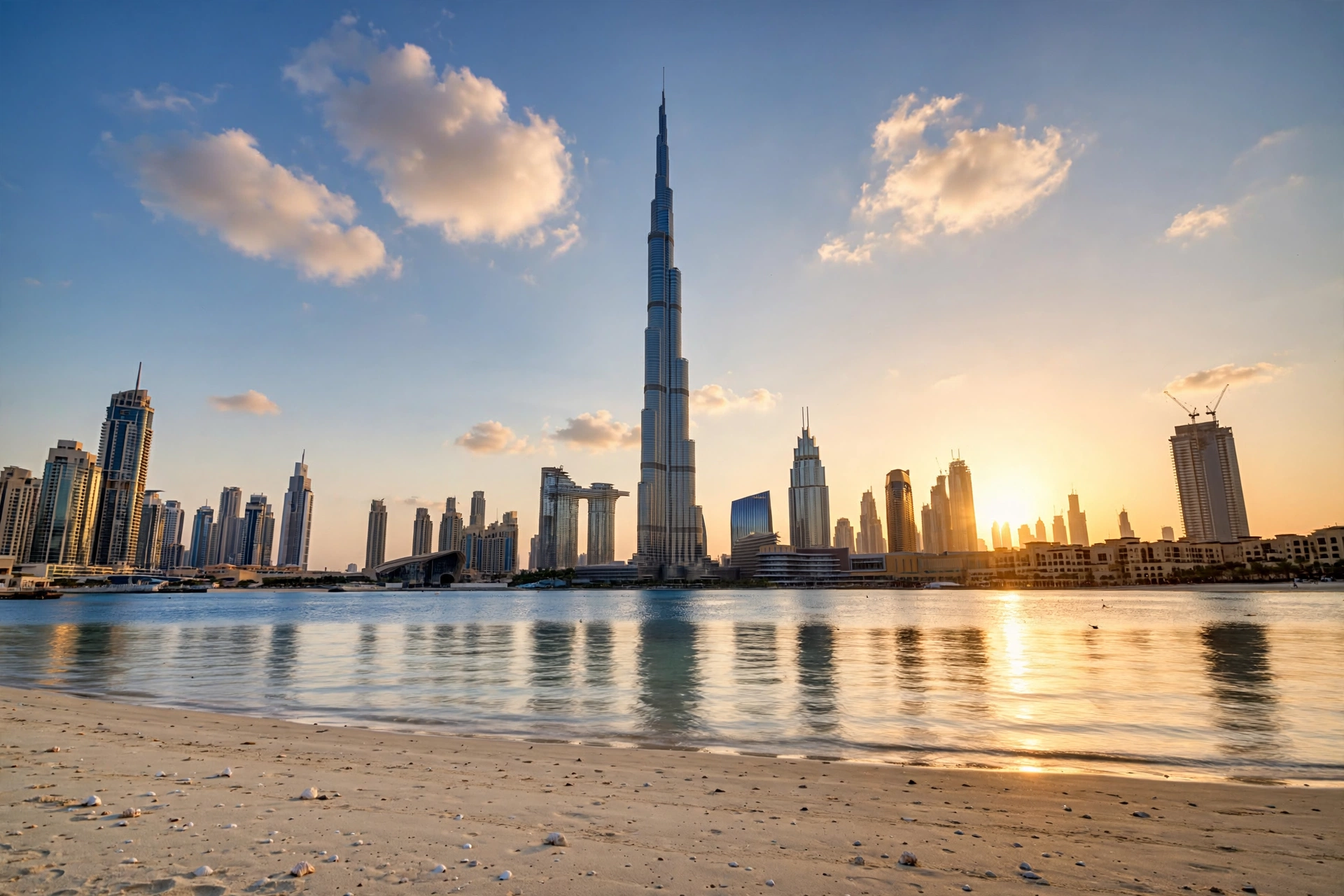
April to May and September to October: The Shoulder Seasons
The shoulder months are where smart travelers win. April and May bring warming days — highs climb from the mid-80s into the 90s°F — but mornings and evenings stay pleasant, hotel rates start dropping, and crowds thin out noticeably. Late September and October work in reverse: the worst of summer fades, and while afternoons are still hot, the city becomes genuinely enjoyable again, especially after sunset.
These windows suit travelers who want decent weather without peak-season prices. You can still enjoy outdoor dinners, waterfront walks and poolside afternoons — just plan the midday hours indoors or at the beach with shade. For trips in these months, traveling on a budget becomes much easier, because accommodation discounts of 20–40% off peak rates are common.
June to August: The Summer Low Season
Dubai in summer is not for the faint of heart. Daytime temperatures routinely hit 110°F (43°C) or more, and the humidity in August can feel like walking through warm soup. Outdoor sightseeing during the day is off the table for most visitors.
But summer has a secret: it is the cheapest time to visit by a wide margin. Five-star hotels slash rates, sometimes by half or more, and attractions are nearly empty. If your trip centers on indoor experiences — the malls, the indoor ski slope, world-class restaurants, the aquarium — you can live like a VIP for a mid-range budget. Everything indoors is heavily air-conditioned, so you move from one cool bubble to the next.
The rule for summer travel is simple: plan outdoor time for early morning or after 8 PM, stay hydrated relentlessly, and choose a hotel with a great pool and shaded areas. Families with flexible schedules and heat-tolerant kids can find genuine bargains here.
Ramadan and Eid: Timing Worth Knowing
Ramadan follows the Islamic lunar calendar, so its dates shift each year by about ten days. During the holy month, Dubai takes on a quieter, more reflective character. Many restaurants close or limit hours during daylight, and eating, drinking or smoking in public during fasting hours is disrespectful and can draw fines. Hotel rates often dip, and the city comes alive at night with special iftar tents and late-night shopping.
Eid al-Fitr (marking the end of Ramadan) and Eid al-Adha are festive, celebratory periods with fireworks, events and public holidays — hotels fill up and prices rise. If you visit during Ramadan, respect the local customs, plan meals carefully, and enjoy the unique nighttime atmosphere. If you prefer a normal tourist experience, aim for the weeks around Eid instead of the fasting month itself.
Crowds and Prices: The Trade-Off
The pattern is predictable and worth memorizing:
– **Highest prices, biggest crowds:** mid-December through February, plus Eid holidays.
– **Best value with good weather:** November, March, late October, early April.
– **Deepest discounts, toughest weather:** June through August.
– **Sweet spots for deals:** Ramadan (outside Eid weeks) and the September shoulder.
Midweek stays are consistently cheaper than weekends, and Dubai’s weekend runs Friday–Saturday, so a Sunday–Thursday stay often costs less than the same nights over a weekend.
Events Worth Planning Around
Dubai’s event calendar can make or break a trip. The Dubai Shopping Festival (typically December–January) brings massive discounts and entertainment. Dubai Food Festival (spring) is a draw for food lovers. The Dubai World Cup horse race (March) attracts an international crowd. GITEX (October) fills business hotels. And New Year’s Eve around the Burj Khalifa is spectacular — but book a year ahead and expect premium prices everywhere.
Check the calendar before booking: a major event can double hotel rates, while a quiet stretch can hand you the city at a discount.
What to Pack for Each Season
Winter (Nov–Mar): light layers, a jacket or sweater for evenings, comfortable walking shoes, swimwear for heated pools and warm beach days. Modest clothing for visiting mosques and old Dubai neighborhoods is appreciated year-round.
Shoulder months: breathable fabrics, sun protection, a light cover-up for air-conditioned interiors.
Summer: the lightest clothing you own, serious sunscreen, a hat, sunglasses, and packing light is easy since you need almost nothing warm. Bring a light scarf or shawl — malls and restaurants are kept genuinely cold.
The Verdict: When Should You Go?
For most travelers, the best time to visit Dubai is **November through March**, with **November and March** offering the best blend of weather, prices and crowds. Budget travelers who can handle heat should look at **June through August** for unbeatable hotel deals. And the savvy middle ground — **April, May, September and October** — delivers warm weather and real savings for travelers willing to plan their days around the heat.
Pick your month with intention, book early in peak season, and Dubai will reward you with one of the most polished city breaks on the planet.
Frequently Asked Questions
**Is Dubai too hot in summer to visit?**
It is extremely hot, with highs above 110°F (43°C). Outdoor sightseeing is limited, but indoor attractions are world-class and hotel prices drop dramatically. It suits travelers who prioritize luxury hotels and indoor experiences over outdoor exploring.
**What is the cheapest month to visit Dubai?**
July and August typically offer the lowest hotel and flight prices. September and the Ramadan period (excluding Eid weeks) also bring solid discounts with more bearable conditions.
**Does it rain in Dubai?**
Rarely. Dubai averages only a few rainy days per year, mostly between December and March, and showers pass quickly. Rain should not factor into your planning.