If you spend half an hour staring at the ceiling every night, the problem is probably not that you cannot sleep — it is that your days are not set up for it. Sleep hygiene is not about hospital-clean bedrooms. It is the set of everyday habits that tell your body when to be alert and when to wind down. Get those signals right, and falling asleep starts to feel automatic instead of like a negotiation.
Below are the sleep hygiene habits that sleep researchers and clinicians recommend most often. None of them require gadgets or supplements — just small, consistent changes to how you live your day and your night.
Keep a Consistent Schedule
Your body runs on a roughly 24-hour internal clock, and it loves routine. Going to bed and waking up at the same time every day — weekends included — is the single most powerful sleep hygiene habit there is. People who keep a steady schedule tend to fall asleep faster and wake up feeling more rested than people who swing their bedtime by two or three hours on weekends.
If your current schedule is far off your target, shift it gradually: move bedtime earlier by 15 to 30 minutes every few nights rather than trying to force an 11 p.m. bedtime out of a 1 a.m. habit overnight. Your clock adjusts in small steps, not leaps. Set an alarm not just for the morning but for bedtime too — a gentle reminder an hour before lights-out gives your evening routine room to happen instead of being squeezed into five frantic minutes.
Get Morning Light Early
Sunlight is the main signal that sets your internal clock. Getting outside — or at least near a bright window — within an hour of waking tells your brain that daytime has begun, which helps it release melatonin at the right time in the evening. Even on cloudy days, outdoor light is far brighter than typical indoor lighting.
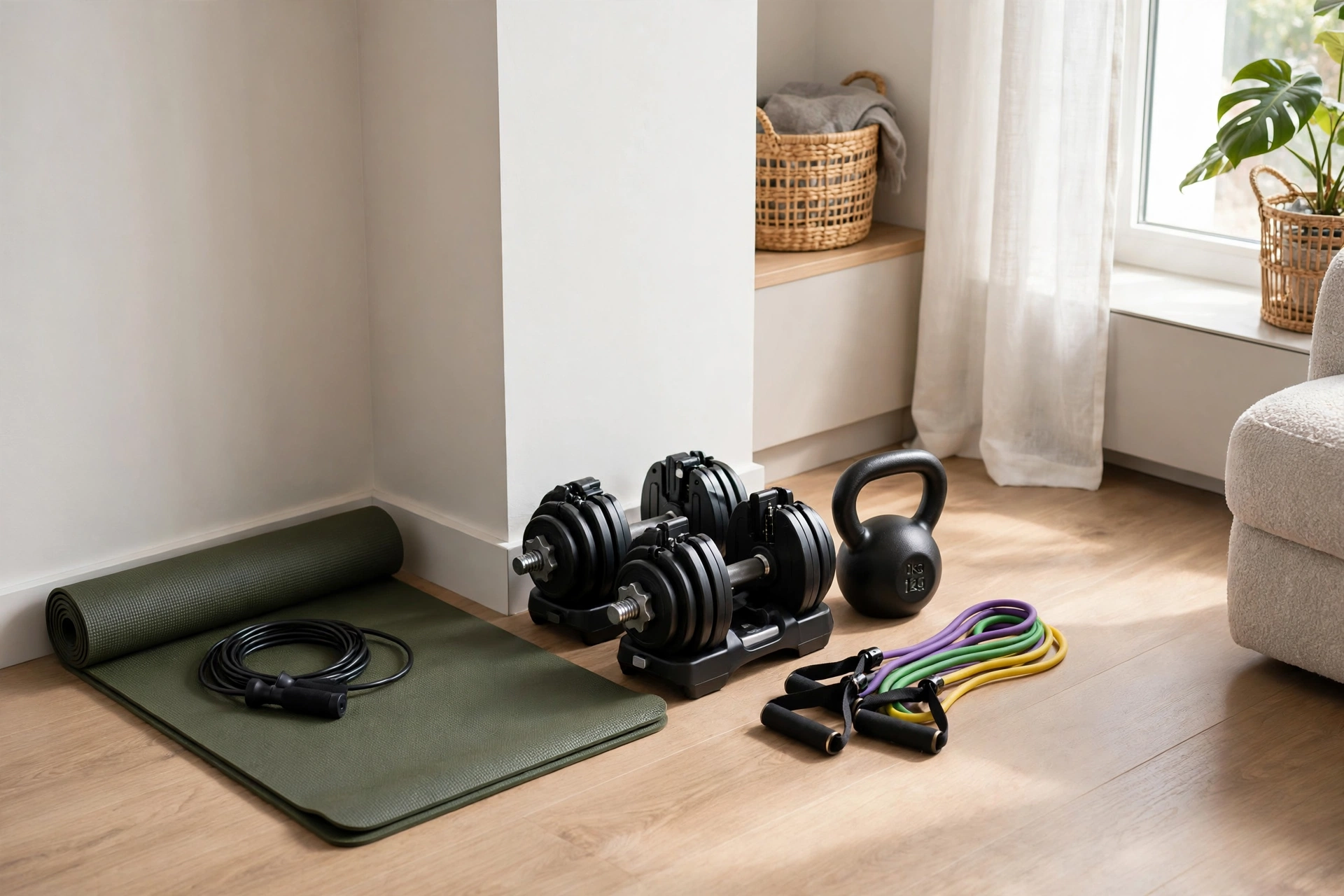
Aim for at least 10 to 20 minutes of daylight exposure in the morning. A short walk, breakfast by a sunny window, or even drinking your tea on the balcony counts. This one pairs naturally with staying active during the day: people who build fitness into their everyday routine for more energy often find their nights improve too, because a body that has moved during the day settles more easily at night. Just keep vigorous exercise away from the final three hours before bed, when it can be too stimulating.
Mind Your Caffeine and Alcohol
Caffeine has a half-life of roughly five to six hours, which means the coffee you drink at 4 p.m. is still half-active at 10 p.m. For most people, the practical rule is simple: make noon or early afternoon your caffeine cutoff, and pay attention to hidden sources like tea, chocolate, energy drinks, and some pain relievers.
Alcohol deserves a similar honesty check. A drink in the evening may make you drowsy, but it fragments the second half of the night — suppressing deep sleep and REM, the stages you need most. If you drink, keep it moderate and finish at least three hours before bed so your body has time to metabolize it before sleep begins.
Set a Screen Curfew
The blue light from phones and laptops delays melatonin release, but the bigger problem is what is on the screen: news, arguments, work email, and doom-scrolling keep your mind in fight-or-flight mode. A genuine screen curfew — 30 to 60 minutes before bed — is one of the fastest wins in sleep hygiene.
Replace the scroll with something your brain can actually wind down with: a paper book, a warm shower, stretching, or a short journaling session. If you must use a device in the evening, at least move it out of the bedroom and switch on night mode. And charge your phone in another room overnight — nothing disrupts sleep like a glowing notification at 2 a.m., and no one who has slept through the night misses the alarm-clock excuse for keeping the phone by the bed.
Make Your Bedroom a Cave
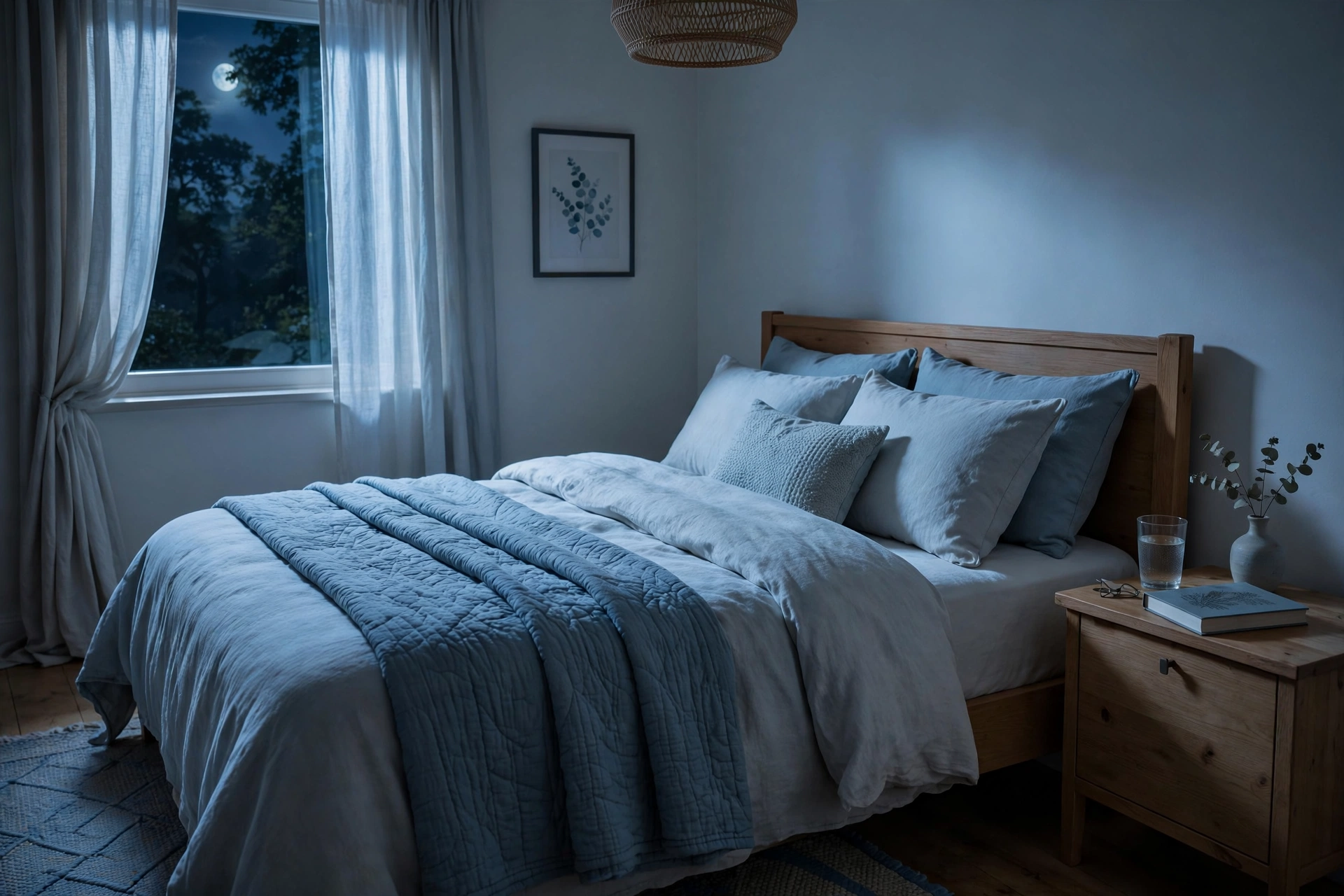
Your bedroom should be dark, cool, and quiet — the three conditions that mimic the natural environment your ancestors slept in. Blackout curtains or a sleep mask handle light; earplugs or a fan handle noise; and temperature matters more than most people realize. The ideal bedroom temperature is around 18 to 20 degrees Celsius (65 to 68 Fahrenheit). Your core body temperature needs to drop for sleep to start, and a hot room fights that process.
Also consider what your bed is for. If you work, eat, and argue in bed, your brain stops associating it with sleep. Try to reserve the bed for sleep (and rest) only, so that lying down becomes a cue in itself. A cluttered, chaotic room sends a busy signal too — ten minutes of tidying can genuinely change how restful a room feels. Caring for the sleep environment of loved ones’ wellbeing at home works on the same principle: a calm, comfortable space is one of the most underrated health interventions there is.
Build a Wind-Down Routine
You cannot sprint all evening and then drop into sleep on command. A wind-down routine is the off-ramp between a busy day and bed: 20 to 30 minutes of the same calming activities every night, signaling to your brain that sleep is coming.
There is no single right routine. What matters is consistency and calm. Some combinations that work well:
- Dim the lights in the house an hour before bed.
- Take a warm shower or bath — the post-shower cooling mimics the body’s natural temperature drop.
- Do five minutes of gentle stretching or breathing exercises.
- Write tomorrow’s to-do list to get worries out of your head and onto paper.
- Read something genuinely pleasant, not the news.
Your routine is also a good place for the daily habits that support mental health, like a short mindfulness practice or gratitude note. Sleep and mood run on the same circuitry: better days make better nights, and better nights make better days.
What to Do When You Cannot Sleep
Even with good habits, everyone has a restless night sometimes. The worst thing you can do is lie there worrying about it — the anxiety about not sleeping becomes the reason you cannot sleep. If you are still awake after 20 to 30 minutes, get up.
Go to another room, keep the lights dim, and do something boring and screen-free: flip through a dull magazine, fold laundry, listen to calm audio. Return to bed only when you feel genuinely drowsy. This technique, called stimulus control, re-teaches your brain that bed equals sleep — not frustration. Whatever you do, do not check the clock repeatedly. Clock-watching turns minutes into hours in your mind and spikes the pressure to fall asleep immediately.
When to See a Doctor
Good sleep hygiene habits fix most ordinary sleep trouble within a few weeks. But some problems need professional help. Talk to a doctor if you snore loudly and gasp for air (possible sleep apnea), if your legs twitch or feel uncomfortable at night, if insomnia lasts more than three weeks despite consistent habits, or if daytime sleepiness is affecting your work, driving, or safety.
There is no shame in seeking help for sleep — it is as legitimate a medical issue as blood pressure or back pain, and effective treatments exist for nearly every sleep disorder. Think of these habits as the foundation: they make everything else, including professional treatment, work better.
Start Small, Stay Consistent
You do not need to overhaul your entire life tonight. Pick one or two habits from this list — a consistent wake time and a screen curfew are excellent first moves — and practice them for two weeks. Then add another. Sleep hygiene works through accumulation, not intensity: small signals, repeated daily, until restful sleep becomes your body’s default setting. Your future well-rested self is already thanking you.