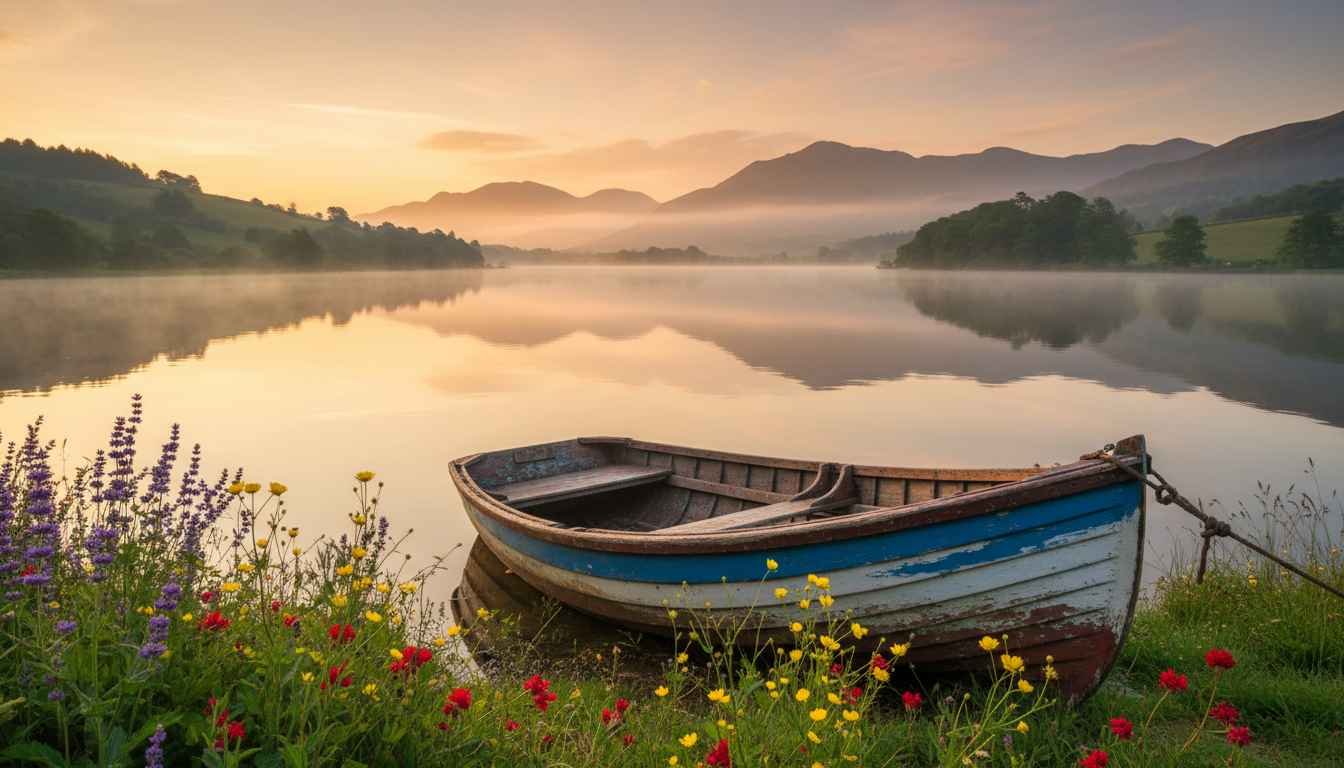
The Lake District in Cumbria is England’s most-loved walking country: a compact national park of deep lakes, fells, stone villages and literary history. But if you only had to choose one place, what is the best place to visit in Lake District? Our answer is Windermere and its lakeside town of Bowness-on-Windermere. It is the easiest base, the best-connected, and the one spot that gives first-time visitors the full Lake District experience in a single stay — with the best alternatives for walkers, culture lovers and quiet-seekers close by.
Why Windermere Is the Best Place to Visit in the Lake District
Windermere is the largest lake in England, and its shoreline town of Bowness-on-Windermere works so well because everything is within reach. You can step off a train at Windermere station, catch a bus or boat, and be on the water within the hour. Boat trips run the length of the lake, from Ambleside at the northern end to Lakeside in the south, so you can see the fells from the water without needing a car. The town itself has the classic lakeside mix: hotels and guesthouses, cafés, independent shops, and easy walks along the shore.
Windermere also makes a practical base. From here you can day-trip to Keswick, Grasmere, Coniston and Ullswater, which is why it beats a smaller village for a first visit. If you want the full eight-stop tour of the region, our wider Lake District guide covers the main towns and lakes in more detail.
Keswick and Derwentwater: Best for Walkers
If walking is the main reason for your trip, Keswick is the strongest alternative. The market town sits beside Derwentwater, a smaller, quieter lake ringed by fells, with lakeside paths, boat launches and a launch service that lets you walk one way and sail back. Keswick itself has outdoor shops, a market square, museums and a theatre, so it stays lively even on a rainy day — and rain is always a possibility here, whatever the forecast says.
Grasmere: Best for Literary History
Grasmere is a small village with an outsized reputation. William Wordsworth lived at Dove Cottage here, and the Wordsworth Grasmere museum tells that story well. The village is also famous for its gingerbread, sold from a tiny shop by the churchyard. Come for a gentle walk around Grasmere lake and Rydal Water, and for the feeling of a village that has barely changed its rhythm. It is best enjoyed as a half-day stop rather than a base, since accommodation and transport options are limited.
Coniston: Best for a Quieter Stay
Coniston Water is longer and calmer than Windermere, and the village at its northern end suits travellers who want scenery without crowds. Walk the lakeside path, take a trip on the steam yacht Gondola, or climb the Old Man of Coniston if you are fit and the weather is kind. Coniston is also linked to the writer Arthur Ransome, whose Swallows and Amazons drew on this landscape. It is a good second base if you have already seen Windermere and want a slower pace.
Ullswater: Best for Scenery
Many regular visitors will argue that Ullswater, not Windermere, is the most beautiful lake of all. Its steep, wooded shores and the steamer service between Glenridding and Pooley Bridge make it a superb day out, and the valley walk to Aira Force waterfall is one of the region’s classic short walks. Ullswater suits a day trip from Windermere or Keswick better than a first base, because public transport is thinner here.
Planning Your Visit: When to Go and How to Get Around
Spring and autumn are the sweet spots: longer days, quieter paths and, usually, steadier weather than midwinter. Summer brings the warmest weather and the fullest boat and bus timetables, but also the biggest crowds, so book accommodation early. Winter can be beautiful — low light on the fells, empty villages — but short days and fell-top conditions demand proper planning.
A car gives the most freedom, but it is not essential. Trains reach Windermere from Oxenholme on the West Coast Main Line, and buses and lake steamers connect the main towns. For other English countryside escapes in a similar style, see our guides to Stow-on-the-Wold in the Cotswolds and the New Forest, both of which pair village walks with easy day-trip planning. If you plan to walk the fells, take a map, waterproofs and sturdy footwear, and check the weather before you set out: conditions on the tops can change fast even when the valleys are calm.
Frequently Asked Questions
What is the single best place to visit in the Lake District for first-timers?
Windermere and Bowness-on-Windermere. It has the best transport, the widest choice of places to stay and eat, and easy boat and bus links to the rest of the park.
Is the Lake District suitable for a trip without a car?
Yes, especially if you base yourself in Windermere or Keswick. Trains, buses and lake boats cover the main towns, though the most remote valleys are harder to reach.
How many days do you need in the Lake District?
Three days gives you Windermere plus one or two day trips, such as Keswick and Grasmere. Five days lets you add Coniston, Ullswater and a longer fell walk at a relaxed pace.