
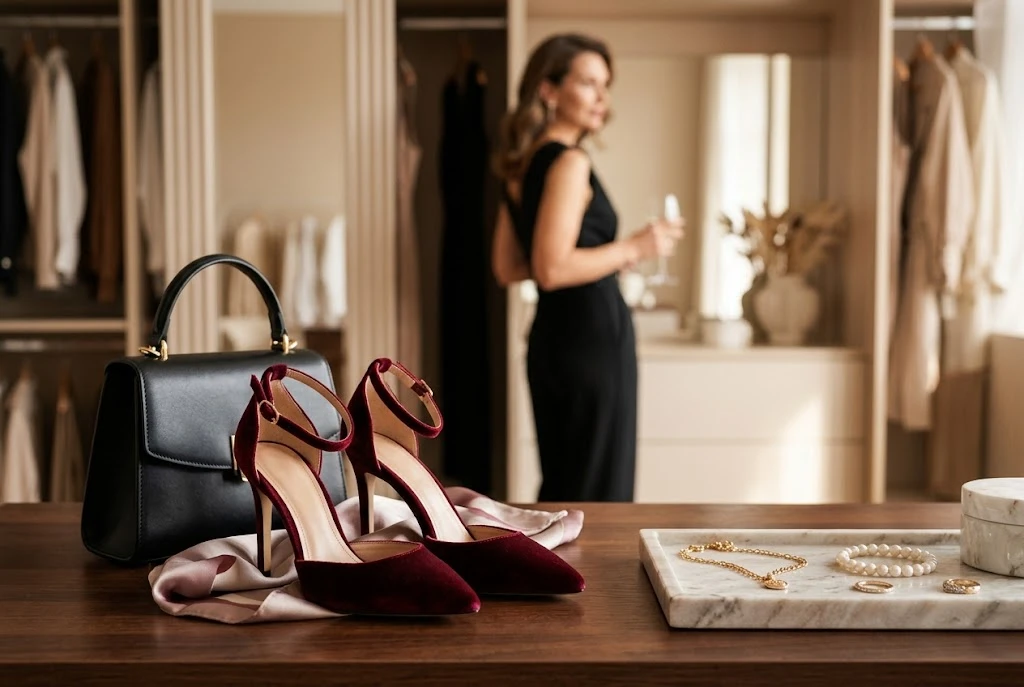
“How can you live the high life if you do not wear the high heels?” is a playful fashion quote attributed to French fashion designer Sonia Rykiel. The line turns high heels into a symbol of glamour, confidence, style, and elevated living. It appears in major collections of iconic fashion quotations, including Harper’s Bazaar and Marie Claire.
Of course, the quote is not meant to suggest that wearing high heels is a requirement for living well. Its appeal comes from the wordplay: “high life” suggests luxury, ambition, glamour, and confidence, while “high heels” literally raise the wearer above the ground.
Beyond the joke, the quote opens a broader conversation about footwear, personal style, confidence, fashion history, and the way clothing can influence how people present themselves.
What Does “Living the High Life” Mean?
The phrase “living the high life” traditionally suggests an enjoyable, luxurious, or successful lifestyle. In Rykiel’s quote, the expression becomes a fashion metaphor.
High heels have long been associated with dressing up, special occasions, elegance, and visual impact. Wearing them can change the proportions of an outfit and alter the way a person walks and carries themselves.
That is why the quote works so effectively. It connects a literal change in height with the figurative idea of reaching a higher level of style.
Who Was Sonia Rykiel?
Sonia Rykiel was a French fashion designer known for her distinctive approach to knitwear and Parisian fashion. Her work became associated with individuality, expressive style, and a modern approach to women’s clothing.
Her quote about high heels fits naturally within a fashion philosophy that treats clothing as more than simple functionality. Fashion can communicate personality, attitude, mood, and identity.
The quote is consistently attributed to Rykiel by fashion publications and quotation references.
Why High Heels Have Such a Powerful Fashion Image
High heels are visually distinctive. They alter posture, change the silhouette of an outfit, and immediately communicate that a look has been deliberately styled.
Different heel shapes can also create completely different impressions. A classic pump can look polished and understated, while a stiletto can create a sharper, more dramatic appearance. Platforms can provide height with a different visual balance, while block heels often combine height with greater stability.
Because of this variety, high heels have become much more than one type of shoe. They represent an entire category of fashion expression.
High Heels and Confidence
One reason people continue to choose high heels is the feeling associated with dressing up.
Putting on a carefully selected outfit can change how someone approaches a social event, presentation, celebration, or evening out. Footwear can be part of that transformation.
Fashion publications have repeatedly connected footwear with confidence and personal expression. Harper’s Bazaar, for example, includes the idea that the right footwear can influence how someone presents themselves and places high heels among iconic fashion statements.
That psychological effect does not mean the shoe itself creates confidence. More often, confidence comes from feeling comfortable, prepared, and happy with the way you look.
The History of High Heels
High heels have a surprisingly long and complicated history. They were not originally created exclusively as women’s fashion items.
Historical accounts trace early elevated footwear to practical uses, including footwear associated with horseback riding. Over time, elevated heels became connected with status and fashion in European courts before eventually developing into the modern forms associated with women’s footwear.
The meaning of heels has therefore changed repeatedly. At different points in history, they have represented practicality, social status, masculinity, femininity, luxury, glamour, and personal style.
The modern high heel is the result of centuries of changing fashion preferences rather than one single invention.
From Practical Footwear to Fashion Statement
Modern fashion transformed high heels into a visual statement. Designers began experimenting with heel height, shape, materials, colors, ornamentation, and construction.
The result was footwear that could become the focal point of an outfit rather than simply completing it.
Luxury fashion houses further strengthened this connection by making shoes into recognizable symbols of craftsmanship and high fashion.
As fashion evolved, high heels became particularly associated with eveningwear, formal events, celebrity appearances, editorial photography, and red-carpet fashion.
High Heels on the Red Carpet
The relationship between high heels and glamour is especially visible at red-carpet events.
Actors, musicians, models, and other public figures frequently use footwear as part of a carefully coordinated appearance. A shoe can complement a dress, contrast with an outfit, introduce color, or create a stronger overall silhouette.
Because photographs from these events are distributed globally, certain shoes and fashion combinations can quickly become cultural references.
This is one reason high heels remain strongly connected with the idea of the “high life”: they appear repeatedly in environments associated with celebrity, luxury, fashion, and entertainment.
Different Types of High Heels
Not every high heel creates the same effect. Some of the most recognizable styles include:
- Stilettos: Known for their slender, sharply tapered heels and dramatic silhouette.
- Pumps: Classic closed-toe shoes that can work with professional and formal outfits.
- Block heels: Wider heels that generally provide a more substantial base.
- Platforms: Shoes with additional height beneath the front of the foot as well as the heel.
- Wedges: Shoes where the sole creates a continuous wedge beneath the foot.
- Kitten heels: Lower heels offering a more subtle elevation.
Choosing among these styles is largely a matter of occasion, comfort, outfit, and personal preference.
Do You Need High Heels to Live the High Life?
No. This is where the quote should be understood as humor rather than a literal rule.
Living well is not determined by footwear. A person can have excellent style in sneakers, flats, loafers, boots, sandals, or other comfortable shoes.
The more useful message is that fashion can be a form of self-expression. If high heels make someone feel elegant and confident, they can be an enjoyable part of their wardrobe. If they do not, there is no reason to wear them simply because fashion culture says they should.
Modern style increasingly allows people to define elegance for themselves.
Comfort and Style Can Coexist
High heels can look striking, but they are not always comfortable. Extended wear can place additional pressure on the feet and alter the mechanics of walking.
For that reason, choosing the right shoe for the situation matters. Heel height, fit, stability, duration of wear, and the amount of walking involved can all affect comfort.
A glamorous shoe does not need to be worn for an entire day to make an impact. A person can choose heels for a particular event and change into more comfortable footwear afterward.
The modern concept of fashion is increasingly compatible with practicality. Looking stylish and taking care of your feet do not have to be competing goals.
High Heels as a Form of Self-Expression
Fashion allows people to communicate without saying anything.
A bright-colored heel can suggest playfulness. A classic black pump can communicate simplicity and polish. A metallic shoe can create a more dramatic evening look, while an unusual sculptural heel can function almost like wearable art.
This expressive quality helps explain why footwear has such a strong emotional relationship with fashion.
It is not necessarily about impressing other people. It can simply be about choosing something that feels like an accurate expression of your personality.
High Heels and Professional Style
For decades, high heels have also been associated with professional women’s clothing.
In some workplaces, heels were traditionally viewed as part of a polished business appearance. However, professional dress codes have become more flexible in many industries.
Today, professional style can include flats, loafers, boots, sneakers, and many other forms of footwear. The most appropriate choice depends on the workplace, role, culture, and individual preference.
The shift reflects a broader idea: professionalism comes primarily from competence, conduct, communication, and preparation rather than from a particular heel height.
Fashion Should Elevate Your Personality, Not Replace It
The most interesting interpretation of Rykiel’s quote may therefore be metaphorical.
High heels can elevate an outfit, but personal style should elevate the person wearing it. Clothing works best when it supports individuality rather than forcing someone into a predetermined image.
This principle is consistent with the broader philosophy expressed by many major fashion figures: clothing is a form of communication, but the individual remains more important than the garment.
In other words, the goal should not be to wear the highest heels possible. It should be to find a style that makes you feel confident, authentic, and appropriately dressed for the moment.
How to Choose High Heels More Thoughtfully
Consider the Occasion
A formal evening event may call for a different shoe than a long day at work. Think about how much walking, standing, and movement the occasion requires.
Prioritize Fit
A beautiful shoe that does not fit properly can quickly become uncomfortable. Pay attention to width, heel placement, toe space, and overall stability.
Choose a Manageable Height
You do not need an extremely high heel to create an elegant silhouette. A moderate heel can provide visual elevation while remaining easier to manage.
Match the Shoe to Your Outfit
Think about color, texture, proportions, and overall styling. The best shoe is usually one that complements the outfit rather than competing with every other element.
Know When to Choose Comfort
If you will be walking long distances or standing for hours, comfort should be part of the fashion decision. Style does not require unnecessary discomfort.
The Meaning of “High” in Modern Fashion
The word “high” has become a powerful part of fashion language.
High fashion suggests exclusivity and creativity. High-end footwear suggests craftsmanship and luxury. High heels suggest elevation and visual drama.
Rykiel’s quote plays with all these meanings at once.
It is clever because the phrase sounds like advice about lifestyle while actually talking about footwear. That combination gives the quote its lasting appeal.
Why the Quote Still Resonates
The quote remains popular because it is short, witty, memorable, and unmistakably fashion-focused. Major fashion publications continue to include it among iconic statements from designers and style personalities.
It also captures something that fashion does particularly well: turning ordinary objects into symbols.
A pair of shoes can be practical footwear, a luxury purchase, a statement of identity, a piece of craftsmanship, or simply something that makes an outfit more enjoyable.
That flexibility is part of what makes fashion such a powerful form of personal expression.
Frequently Asked Questions
Who said “How can you live the high life if you do not wear the high heels?”
The quote is attributed to French fashion designer Sonia Rykiel. It appears in several collections of famous fashion quotations.
What does the quote about the high life and high heels mean?
It is a playful metaphor connecting high heels with glamour, confidence, luxury, and an elevated lifestyle. It is not meant to be taken as a literal requirement for living well.
Are high heels still fashionable?
Yes. High heels remain an important part of formalwear, luxury fashion, red-carpet styling, and personal fashion, although many people now balance them with more comfortable footwear.
Do high heels make an outfit look more elegant?
They can create a particular silhouette and formal appearance, but elegance depends on the entire outfit, fit, styling, posture, and personal confidence rather than heel height alone.
Can high heels be comfortable?
Some people find certain heels comfortable for limited periods, particularly when the shoe fits well and has a manageable heel height. Comfort varies significantly between individuals and shoe designs.
Do you need high heels to have good fashion style?
No. Personal style can be expressed through many types of footwear. High heels are one option, not a requirement for elegance or confidence.
Final Thoughts
“How can you live the high life if you do not wear the high heels?” remains an entertaining fashion quote because it combines humor, wordplay, glamour, and the cultural symbolism of footwear.
High heels can certainly elevate a look and, for some people, create a feeling of confidence and sophistication. But the deeper meaning of modern style is more flexible than the quote suggests.
The real “high life” is not measured in inches of heel height. It is about feeling confident in your choices, expressing your personality, and enjoying fashion on your own terms.
Wear the heels when they make you feel great. Choose flats when comfort matters. Either way, the most important part of the outfit is the person wearing it.