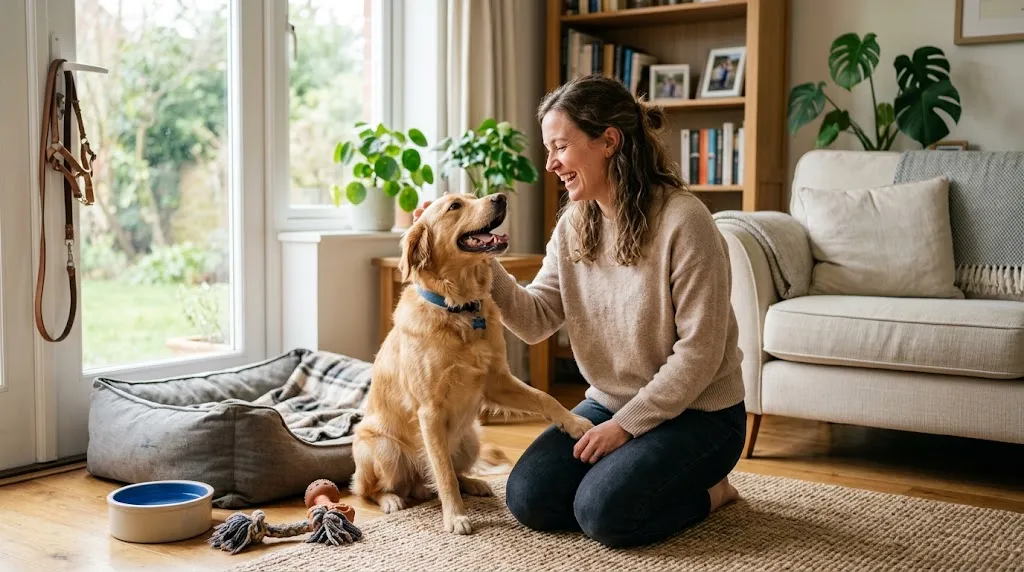
What Does a Dog Mom Lifestyle Really Mean?
A dog mom lifestyle is a way of organizing everyday life around the needs and companionship of a dog. That can mean morning walks, regular meals, grooming sessions, training games, veterinary appointments, weekend adventures, quiet evenings together, and planning ahead when you travel.
The most important part is consistency. Dogs benefit from predictable routines because they learn what to expect throughout the day. A routine can include meals, bathroom breaks, exercise, enrichment, training, grooming, rest, and bonding time.
At the same time, a healthy routine should remain flexible. Puppies, adult dogs, senior dogs, and dogs with different breeds, personalities, activity levels, or health needs may require very different schedules.
Start the Day With a Consistent Routine
Many dog moms find that the morning sets the tone for the entire day. Instead of rushing through the first few hours, create a simple sequence that works for both you and your dog.
- Give your dog an opportunity to go outside.
- Provide fresh water.
- Serve the appropriate meal according to your dog’s feeding plan.
- Take a walk or provide age-appropriate physical activity.
- Spend a few minutes on training or mental enrichment.
- Allow your dog to settle before you begin your work or daily responsibilities.
Not every dog needs the same amount of exercise first thing in the morning. A young, energetic dog may benefit from more activity, while an older dog may prefer a gentle walk followed by rest.
Make Exercise Part of Your Lifestyle
Exercise is one of the easiest ways for a dog mom and her dog to spend quality time together. Walking, hiking, playing fetch, exploring a safe outdoor area, or practicing appropriate activities can provide physical movement while strengthening the human-animal bond.
The right amount and type of exercise depend on the dog’s age, breed, personality, physical condition, and health. The AVMA recommends exercise and play appropriate to a pet’s age, breed, species, and health status, with veterinary guidance when necessary.
Instead of thinking about exercise as another chore, make it part of your lifestyle. A daily walk can become your opportunity to get outside, disconnect from screens, explore your neighborhood, and spend uninterrupted time with your dog.
Give Your Dog Mental Stimulation
Physical exercise is only one part of good dog care. Dogs also need opportunities to explore, learn, solve problems, and interact with their environment.
Mental enrichment can include:
- Food puzzles
- Interactive toys
- Short training sessions
- Sniffing games
- Hide-and-seek games
- Learning new cues
- Safe exploration
- Rotating appropriate toys
These activities can make an ordinary day more interesting without requiring expensive equipment. The AVMA also recommends positive interactions, puzzles, games, interactive toys, and learning activities as ways to encourage natural behaviors and support pet wellbeing.
Build a Healthy Feeding Routine
Food is an important part of caring for your dog, but feeding should be based on your dog’s individual needs rather than trends or assumptions.
Consider your dog’s:
- Age
- Size
- Activity level
- Body condition
- Life stage
- Known dietary sensitivities
- Veterinary recommendations
Portion control matters as much as food selection. Treats should also be considered as part of the dog’s overall intake.
If your dog has allergies, digestive issues, a medical condition, or a specific nutritional requirement, discuss food choices with your veterinarian rather than making major dietary changes based solely on social-media advice.
Turn Grooming Into Bonding Time
Grooming is not simply about making your dog look good. Brushing, nail care, coat maintenance, and routine handling can become useful parts of a dog’s overall care routine.
The amount of grooming required varies considerably between dogs. Some coats require frequent brushing or professional grooming, while other dogs need relatively little coat maintenance.
Start slowly if your dog dislikes grooming. Reward calm behavior, use appropriate tools, and avoid turning routine care into a stressful battle.
Regular handling can also help you notice changes in your dog’s coat, skin, paws, nails, ears, or general appearance that may warrant professional attention.
Make Training Part of Everyday Life
Training does not have to mean spending an hour at a formal obedience class. Short, positive sessions can be incorporated into ordinary activities.
Practice simple skills such as:
- Coming when called
- Walking politely on a leash
- Waiting at doors
- Settling on a mat
- Basic cues
- Calm greetings
- Handling exercises
Consistency is particularly important. Household members should use the same expectations and cues whenever possible so the dog does not receive conflicting signals.
Create a Dog-Friendly Home
A dog-friendly home does not need to look like a pet store. It needs to provide a safe place to rest, access to water, appropriate food, suitable toys, and an environment where the dog can interact safely with the family.
Pet-proofing is also important. Secure potentially dangerous household items, keep unsuitable foods and substances away from your dog, and consider which objects could be swallowed or damaged.
Give your dog a dedicated resting area where they can relax without constant interruption. A comfortable routine should include both activity and downtime.
Prioritize Preventive Veterinary Care
Veterinary care should not begin only when a dog becomes visibly ill. Preventive appointments can help identify potential problems earlier and give owners an opportunity to discuss nutrition, weight, behavior, vaccinations, parasite prevention, dental care, and other age-appropriate needs.
The American Veterinary Medical Association recommends preventive healthcare, while veterinary professionals can tailor care to the individual dog’s lifestyle and health status.
Keep important records organized, including vaccination information, identification details, medications, previous medical history, and your veterinarian’s contact information.
Keep Identification Information Current
A responsible dog mom should also think about what would happen if her dog became lost.
A properly fitted collar and identification tag provide an immediate way for someone to contact you. Microchip information should also remain current when applicable.
If you move, change your phone number, or update other contact information, update your dog’s identification records as well.
Make Time for Quality Bonding
Not every meaningful activity has to involve exercise or training. Dogs also benefit from calm companionship.
Reading while your dog rests nearby, relaxing together after a walk, gently grooming your dog, or simply spending quiet time together can strengthen the relationship.
The key is to pay attention to what your individual dog actually enjoys. Some dogs want constant interaction, while others prefer a combination of play, affection, exploration, and quiet time.
Plan Dog-Friendly Adventures
One of the most enjoyable parts of a dog mom lifestyle is discovering activities that you can share. Depending on your dog’s health, temperament, and local rules, possibilities can include walks in new areas, dog-friendly outdoor spaces, training classes, hiking, or relaxed weekend outings.
Before taking your dog somewhere new, check local rules and make sure the environment is appropriate. Bring water, waste bags, identification, any necessary medication, and whatever equipment your dog needs.
Not every dog enjoys crowded environments or long trips. Choose experiences based on your dog’s temperament rather than trying to force your dog into an activity simply because it looks popular online.
How to Balance Work and Dog Care
Many dog moms also have jobs, businesses, families, or other responsibilities. A sustainable lifestyle requires planning rather than trying to be available every minute.
Create predictable care points during the day. Depending on your dog’s needs, this may include a morning walk, midday bathroom break, evening exercise, meals, training, and quiet time.
If you work long hours or regularly travel, arrange reliable care before problems arise. A trusted family member, friend, dog walker, sitter, or boarding provider may help when appropriate.
Responsible ownership includes planning for periods when you cannot personally provide care.
Dog Mom Self-Care Matters Too
Caring for a dog should enrich your life, not require you to ignore your own needs. A healthy dog mom lifestyle leaves room for sleep, work, relationships, exercise, hobbies, and personal downtime.
One practical approach is to combine activities. A walk can provide exercise for both you and your dog. A short training session can become a mental break from work. A quiet evening together can offer companionship without requiring a complicated activity.
The goal is a sustainable relationship where both you and your dog can thrive.
Common Dog Mom Lifestyle Mistakes
Following Every Online Trend
Pet-care trends can be entertaining, but not every viral product, diet, supplement, or activity is appropriate for every dog. Base important healthcare and nutrition decisions on reliable information and professional guidance.
Overlooking Mental Enrichment
A long walk does not automatically meet every dog’s mental needs. Add training, sniffing, puzzles, play, and other appropriate enrichment.
Inconsistent Household Rules
If one person encourages a behavior while another person consistently discourages it, the dog can receive confusing signals. Agree on basic household expectations.
Ignoring Changes in Behavior
A noticeable change in appetite, activity, sleep, behavior, or other normal habits can be worth discussing with a veterinarian, particularly when the change persists or occurs alongside other concerning signs.
Forgetting Future Planning
Dogs are long-term companions. Consider future housing, travel, financial responsibilities, emergency care, and how your dog’s needs may change with age.
A Simple Dog Mom Daily Checklist
- Fresh water available
- Appropriate meals provided
- Bathroom opportunities provided
- Age- and health-appropriate exercise
- Mental enrichment or training
- Positive social interaction
- Rest and quiet time
- Basic grooming or coat observation when appropriate
- Medication or special-care tasks completed when prescribed
- Identification and safety needs maintained
Dog Mom Lifestyle by Life Stage
Puppy Stage
Puppies generally require more supervision, socialization, house training, feeding attention, and structured learning. Their routines can change quickly as they grow.
Adult Dog Stage
Adult dogs often benefit from a stable routine that balances exercise, training, enrichment, social interaction, rest, and preventive care.
Senior Dog Stage
Senior dogs may require adjustments to exercise, nutrition, mobility support, home setup, and veterinary monitoring. Activities that were once easy may need to become shorter or gentler.
At every stage, your dog’s individual needs should guide the routine.
Why the Dog Mom Lifestyle Can Be So Rewarding
Living with a dog creates countless opportunities for companionship and shared experiences. Daily walks can become adventures, training can become play, and ordinary evenings can become meaningful moments of connection.
The strongest dog-owner relationships are not built through expensive products or elaborate routines. They grow through consistency, attention, trust, responsible care, and understanding what the individual dog needs.
Frequently Asked Questions
What is a dog mom lifestyle?
A dog mom lifestyle is a daily routine centered around responsible dog care, companionship, exercise, nutrition, grooming, training, preventive healthcare, and quality time together.
How much exercise does a dog need?
Exercise requirements vary according to age, breed, personality, physical condition, and health. A veterinarian can help determine an appropriate activity level for an individual dog.
How can I keep my dog mentally stimulated?
Try short training sessions, puzzle toys, sniffing games, interactive play, safe exploration, and activities that encourage natural behaviors.
How often should my dog visit the veterinarian?
Preventive veterinary care should be individualized. Regular wellness visits allow a veterinarian to assess your dog’s health and recommend appropriate vaccinations, parasite prevention, nutrition, and other care.
What should I do if I work all day?
Plan care around your dog’s individual needs. Depending on the dog, this may involve a midday walker, sitter, family member, daycare, or another reliable arrangement.
How can I make my home more dog-friendly?
Provide safe resting areas, fresh water, appropriate food and toys, secure identification, and a pet-proofed environment. Make sure your dog has opportunities for both activity and uninterrupted rest.
Final Thoughts
A fulfilling dog mom lifestyle is built on the everyday details that keep a dog healthy, safe, stimulated, and connected to the people around them. Walks, meals, grooming, training, veterinary care, play, and quiet companionship all have a place in a well-rounded routine.
You do not need to create a picture-perfect life for your dog. Instead, focus on consistency and learn what works for your individual companion. Provide appropriate nutrition, exercise, enrichment, preventive healthcare, social interaction, and a safe home while making room for your own wellbeing too.
For more pet-related content, explore how to find and reunite a lost pet, learn about professional pet grooming, and discover additional information about dog-friendly boarding and hotel care.
Disclaimer: This article is for general informational purposes and does not replace veterinary advice. Your dog’s nutrition, exercise, grooming, training, and healthcare needs should be evaluated according to their individual age, breed, health, temperament, and living environment.
Creating a fulfilling dog mom lifestyle requires not just commitment but also an organized approach to your living environment. Just as your canine companion thrives in a space that is clean and stimulating, an uncluttered home fosters a sense of serenity and enhances the quality of your shared experiences. Implementing strategies for efficient organization can lead to a more harmonious atmosphere for both you and your pet. For those looking to streamline their living spaces while ensuring they remain functional and inviting, understanding how to declutter your home can be an invaluable step. By cultivating an organized environment, dog moms can focus more on the essential aspects of pet care and companionship, creating a balanced and enjoyable lifestyle for both themselves and their furry friends.