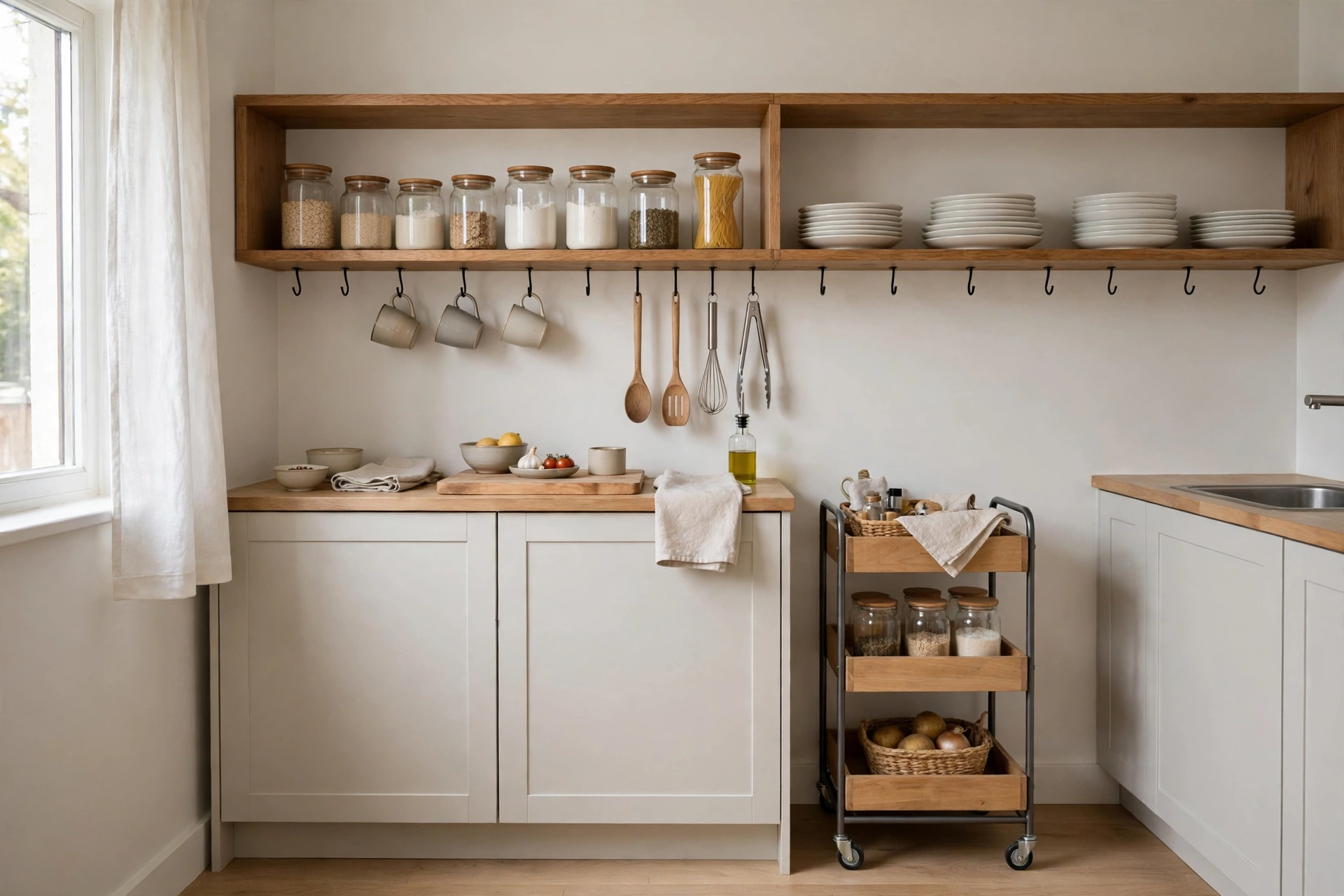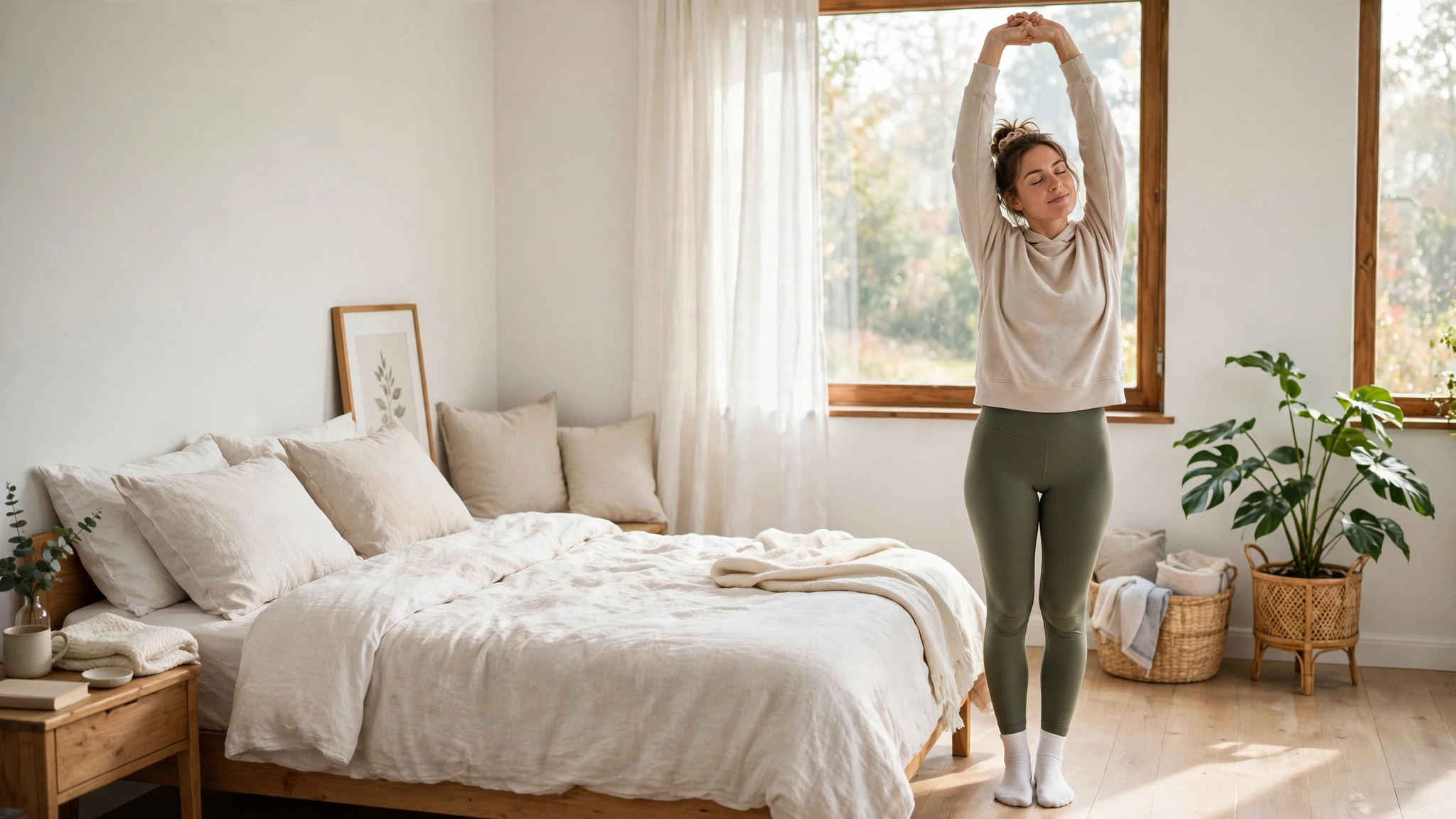
Renting does not have to mean living in a plain white box. Most rental homes feel unfinished not because they are small or old, but because everything in them feels temporary — and a few smart, reversible upgrades can fix exactly that. Every idea below is reversible: no drilling, no painting, no permanent alterations. Each one can be undone in an afternoon, so you can enjoy a home that actually feels like yours.
The Golden Rule: If You Can’t Undo It, Don’t Do It
Before you buy anything, read your lease. Most leases ban painting, drilling and structural changes, but say nothing about freestanding furniture, removable wallpaper or adhesive hooks. The safest test is simple: if you can return the room to exactly how you found it, the upgrade is renter-friendly.
Two habits protect you. First, photograph every room on move-in day as proof of the original condition. Second, keep every original fitting you remove — shower heads, cabinet knobs, light shades — in a labelled box, so reinstalling them takes minutes on move-out day. A quick room-by-room declutter before you start also helps.
1. Peel-and-Stick Wallpaper for an Instant Feature Wall
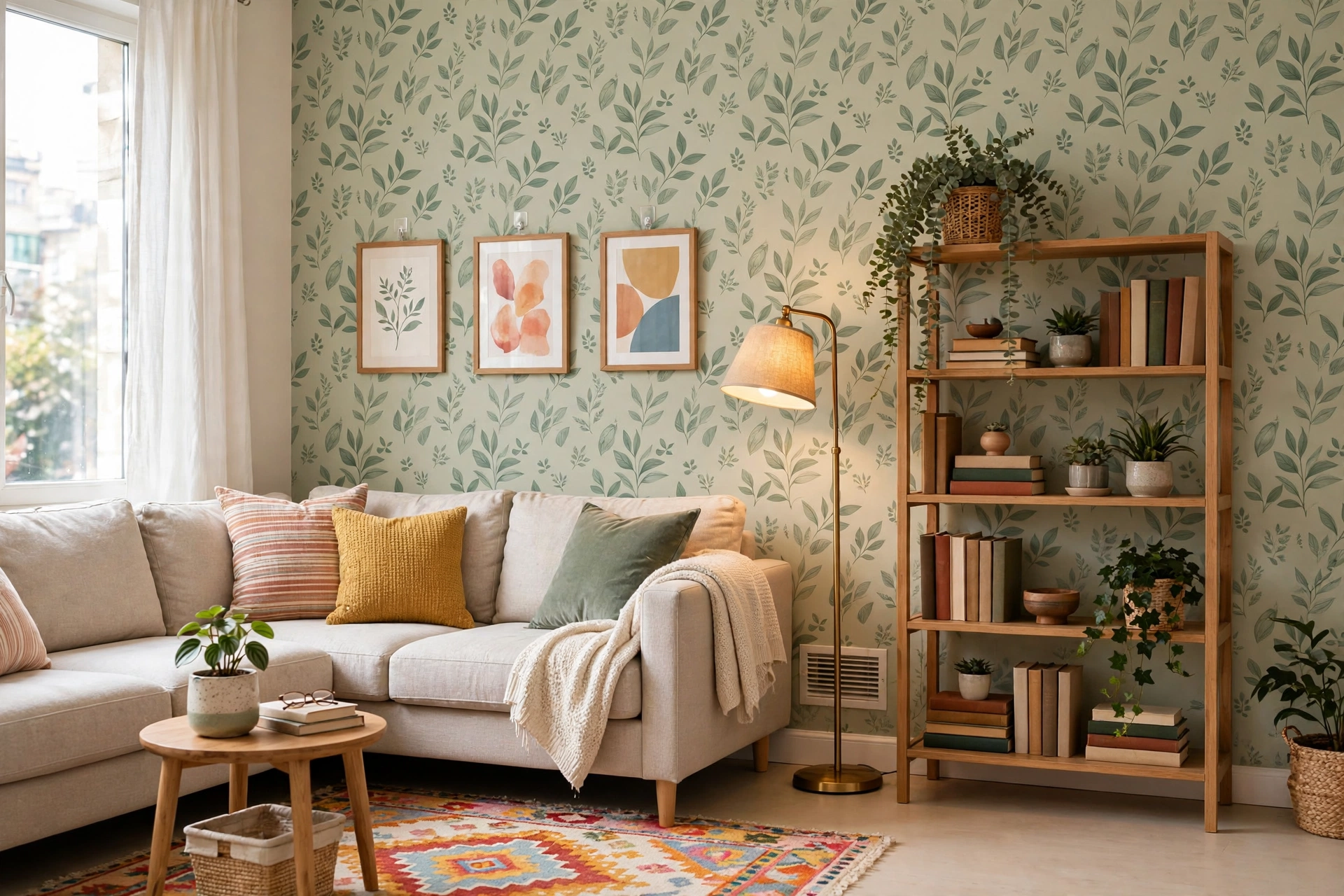
Removable wallpaper is the single highest-impact renter upgrade. Modern peel-and-stick papers go up like a giant sticker, come in everything from bold botanical prints to subtle linen textures, and peel off cleanly when your lease ends.
Pick one wall — usually the one behind the sofa or the bed — and treat it as a feature wall. One wall gives you the drama of a redesign for a fraction of the cost of papering a whole room. Measure carefully, order a little extra for pattern matching, and smooth each strip from the centre outward to avoid air bubbles.
2. Hang Art Without a Single Hole
Blank walls make a rental feel like a waiting room, and you do not need nails to fix that. Adhesive picture-hanging strips and removable hooks hold framed prints, lightweight mirrors and even small shelves — just check the weight rating printed on the pack and stay well under it.
Wipe the spot with rubbing alcohol first, press the strip firmly for 30 seconds, and wait an hour before hanging anything. When it is time to move, pull the tab straight down slowly and the strip releases without marking the paint. Leaning art works too: a large framed print propped on a dresser, or a mirror leaned against a wall, adds personality with zero wall damage.
3. Change the Lighting, Not the Wiring
Bad lighting is the most common complaint in rentals, and it is also one of the easiest to fix without touching a wire. A warm floor lamp beside the sofa, a pair of plug-in wall sconces flanking the bed, or a simple shade swap on an existing ceiling light can change the whole mood of a room.
Swap the bulbs first. Many rentals come with harsh, cool-white bulbs; replacing them with warm-white LED bulbs (around 2700K) instantly makes a room feel cosier, and you can take the bulbs with you when you leave.
4. Layer Rugs Over Tired Floors
Rental flooring is often the thing you like least — stained carpet, scratched laminate, cold tile — and rugs are the fastest way to cover it. A large rug anchors a room, adds colour and texture, and protects the floor underneath.
Size matters more than pattern. In a living room, the rug should be big enough for at least the front legs of the sofa and chairs to sit on it; a rug that is too small makes the room look smaller. Layering works well too: a large, inexpensive jute rug underneath a smaller patterned one adds depth for less money. Use a non-slip rug pad underneath so nothing slides, and choose washable rugs if you have pets or kids.
5. Give the Kitchen a Facelift Without Renovating It
Kitchens are the hardest rental rooms to love, but a few removable touches make a real difference. Peel-and-stick backsplash tiles or contact paper can cover a dated splashback in an afternoon and peel away cleanly later, while shelf liners add a pop of pattern inside cupboards.
Swapping cabinet knobs and handles is another small change with a big payoff — but only if you keep every original knob and its screws in a labelled bag, and only if the new hardware uses the same screw holes. For more storage ideas that pair with these upgrades, see our guide on how to organize a small kitchen with no pantry.
6. Upgrade the Bathroom in an Hour
Bathrooms respond well to renter-friendly changes because so much of what makes them feel dated is removable. A new shower head is the classic example: most unscrew by hand, a better one improves water pressure noticeably, and reinstalling the original takes five minutes on move-out day.
A fresh shower curtain, a suction-cup caddy or two, a freestanding over-toilet shelf and a small plant that likes humidity will make the room feel cared for rather than tolerated. If you want more ideas for a rental bathroom on a tight budget, our small bathroom remodel ideas on a budget are all written with renters in mind.
7. Dress the Windows
Bare windows and cheap vertical blinds are a giveaway that a room is rented. Curtains change that instantly. Tension rods fit inside the window frame with no screws at all, and a pair of floor-length curtains in a warm fabric makes a room feel finished and far more expensive than it is.
Hang the rod as high and as wide as the frame allows — near the ceiling and beyond the window edges — so the window looks bigger. Sheer curtains keep daylight while adding privacy, and blackout curtains are worth it in a bedroom that faces a street light.
8. Freestanding Furniture, Plants and Textiles
When you cannot build anything in, bring in furniture that does the same job. A tall open bookshelf divides a studio flat into a living area and a sleeping area. A rolling kitchen cart adds counter space and moves out of the way when you need the floor. A storage ottoman hides clutter and doubles as extra seating. Good freestanding furniture moves with you when you do.
The last layer is the cheapest and the most forgiving: textiles and greenery. Throw pillows, a soft blanket over the sofa arm and a textured bedspread add colour and warmth for very little money, and you take all of it with you. Plants do the same for the mood of a room — start with forgiving varieties like pothos, snake plants and ZZ plants, which survive low light and the occasional forgotten watering.
What to Avoid
Not every popular upgrade is renter-safe. Avoid anything that drills, glues permanently or changes the structure: mounting a TV directly to the wall, painting over tiles, removing doors, or replacing light fixtures that are wired into the ceiling. If a project needs a drill, a saw or a plumber, it is a renovation, not a renter-friendly upgrade, and it needs written permission first.
FAQs
Do I need my landlord’s permission for peel-and-stick wallpaper?
Most leases do not mention removable wallpaper, and because it peels off without damage it is generally treated as decoration rather than an alteration. Still, test a small piece in a hidden spot first to make sure it removes cleanly from your walls.
Will adhesive hooks damage the paint when I remove them?
If you use them within their weight limit and remove them correctly — pulling the tab straight down slowly, never yanking the hook off the wall — they should leave no mark. On freshly painted or delicate walls, test one in an inconspicuous spot first.
How do I get my deposit back after making these upgrades?
Reverse everything before your final inspection: remove the wallpaper, hooks and contact paper, reinstall the original shower head, knobs and bulbs, and clean thoroughly.
Final Thoughts
A rental becomes a home through layers, not renovations. One feature wall, a few pictures on the wall, warmer light, a rug that ties the room together — each change is small on its own, but together they turn a space you are borrowing into a place you actually enjoy coming back to. Start with the room you spend the most time in, and do one upgrade this weekend.