
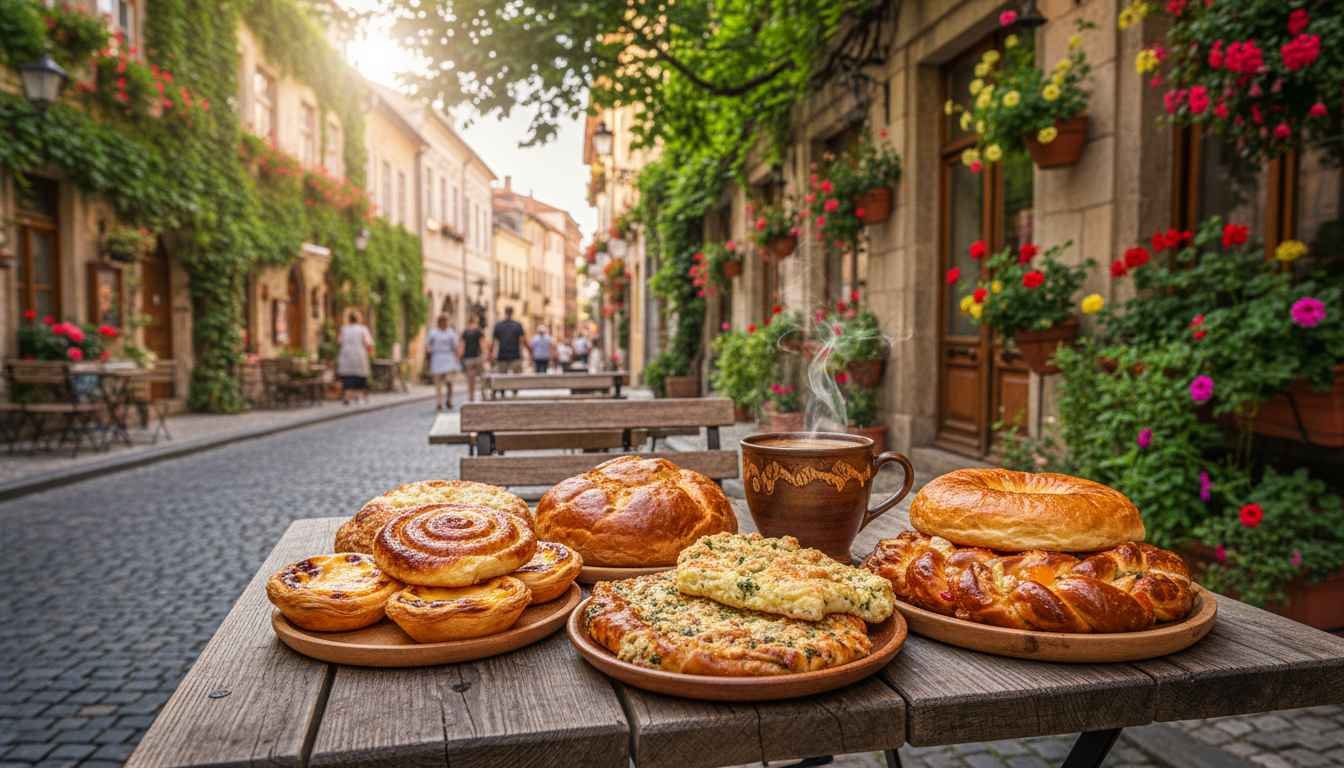
Forget the packed streets of Paris and the crowded plazas of Barcelona — the most exciting stories in European travel right now are being written in places you may not have heard of. The up and coming places to visit in Europe are a new generation of cities, towns and islands: affordable, far less crowded, and full of character. From Albania’s bold, colorful capital to remote North Atlantic islands, these are the destinations travel experts are tipping as Europe’s next big things.
What makes a place “up and coming”? It is not just rising visitor numbers — it is better infrastructure, new flight routes, a growing food and culture scene, and locals who are genuinely excited to welcome travelers. Here are twelve rising European destinations worth putting on your list now, before the crowds arrive.
Tirana, Albania
Albania’s capital has reinvented itself in record time. Once one of Europe’s most closed-off cities, Tirana is now known for its colorful painted buildings, lively café culture and fast-growing restaurant scene. Skanderbeg Square sits at the heart of it all, surrounded by the National History Museum and the Et’hem Bey Mosque.
Why it is rising now: New low-cost flight routes have made Albania suddenly easy to reach, and prices remain remarkably low compared to neighboring Greece or Croatia. The Albanian Riviera — with beaches rivaling the Greek islands — is only a short trip south.
Tbilisi, Georgia
Tbilisi blends ancient churches, sulfur baths and winding old-town streets with a bold modern edge — glass bridges, a thriving tech scene and some of the best-value dining in Europe. The city’s wine bars pour natural Georgian wines from a tradition that stretches back 8,000 years.
Why it is rising now: Georgia has simplified visa rules for most nationalities, and direct flights from Europe keep multiplying. It also pairs perfectly with a Caucasus road trip into the mountains of Kazbegi.
Plovdiv, Bulgaria
One of the oldest continuously inhabited cities in the world, Plovdiv layers a Roman amphitheater, Ottoman-era old town and a creative district of art galleries and craft breweries into one compact, walkable center. It served as a European Capital of Culture in 2019 and never looked back.
Why it is rising now: It is still among the cheapest city breaks in Europe — excellent meals and boutique stays for a fraction of Western prices — and the Kapana creative quarter keeps adding reasons to visit. If you are hunting for places to visit off the beaten path, Plovdiv belongs near the top.
Porto, Portugal
Lisbon’s northern rival has stepped confidently out of its shadow. Porto offers riverside wine cellars, the stunning tiled São Bento station, the Livraria Lello bookstore and a food scene built around francesinhas, fresh seafood and port wine. The Douro Valley — a UNESCO World Heritage wine region — begins just upstream.
Why it is rising now: Porto still feels authentic where Lisbon feels saturated, and new hotels and direct routes keep raising its profile. The city works beautifully year-round, making it one of the most reliable places in Europe to visit in autumn.
Ljubljana, Slovenia
Slovenia’s compact capital is arguably Europe’s greenest small city: a car-free center along the Ljubljanica River, a hilltop castle reached by funicular, and outdoor cafés everywhere. It is an easy base for Lake Bled and the Julian Alps.
Why it is rising now: Sustainability-minded travelers are discovering Slovenia as the low-impact alternative to the Alps’ crowded resorts. The city keeps winning green-capital awards, and visitor numbers are climbing steadily without the place feeling overrun.
Ghent, Belgium
Skip Bruges’ tourist crowds for Ghent — a university city with medieval towers, the world-famous Ghent Altarpiece, canalside nightlife and a fiercely local food scene. The light festival and summer concerts give it a year-round buzz.
Why it is rising now: High-speed rail makes Ghent an effortless add-on to any Brussels or Amsterdam trip, and its reputation as Belgium’s coolest city is spreading fast among younger travelers.
Vilnius, Lithuania
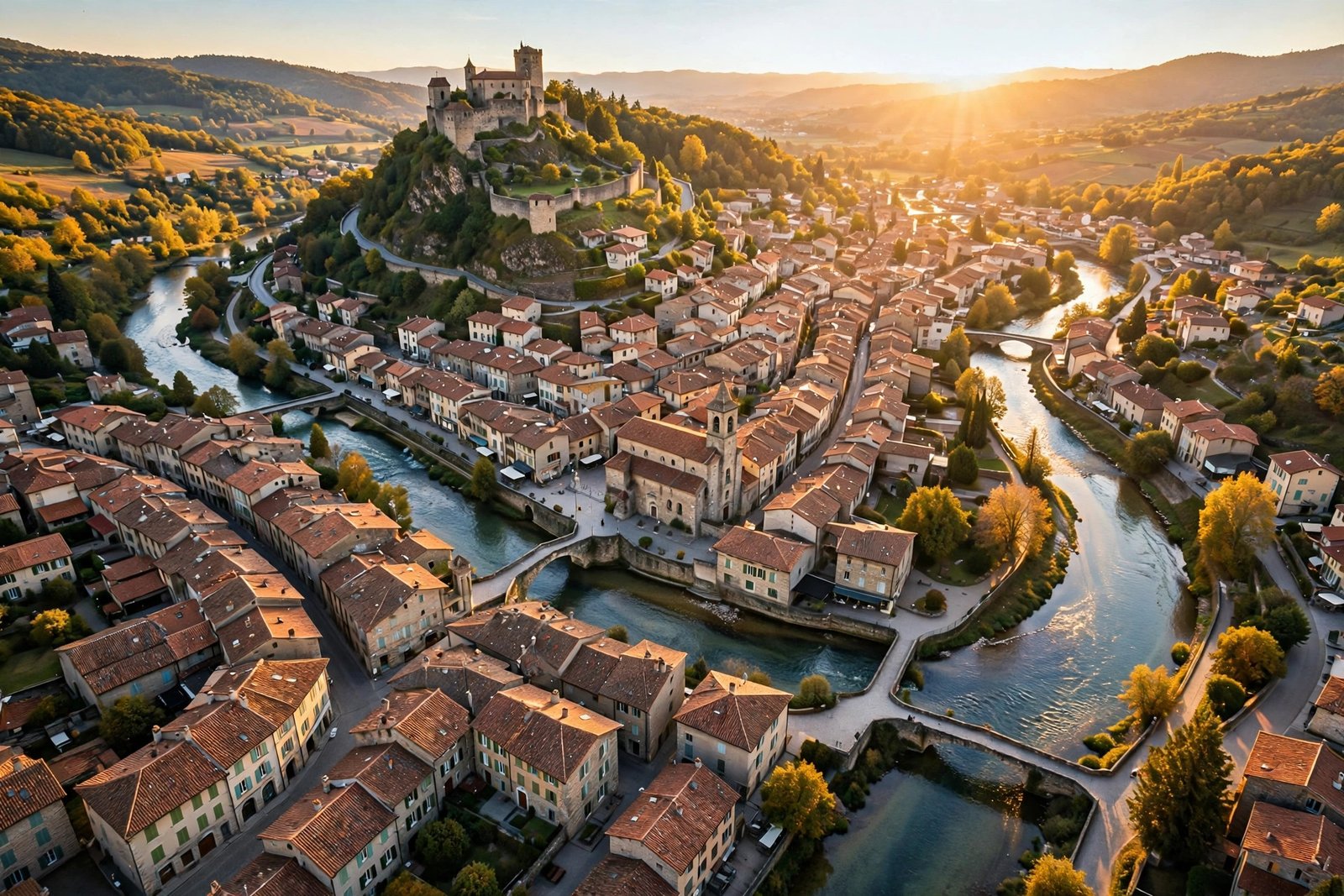
Vilnius pairs one of Europe’s largest baroque old towns with a playful modern streak — a self-declared “independent republic” of artists (Užupis), affordable fine dining and a growing craft-beer culture. The hilltop Gediminas Tower offers sweeping city views.
Why it is rising now: The Baltics are firmly on the digital-nomad map thanks to easy long-stay visas, and Vilnius is the region’s most underrated capital — big on charm, small on prices.
Matera, Italy
Matera’s ancient cave dwellings, the Sassi, were once a symbol of poverty; today they are boutique hotels and restaurants carved into limestone. The city looks like a film set — and it has been one, doubling for ancient Jerusalem in several movies.
Why it is rising now: Its turn as a European Capital of Culture put Matera on the map, but it still draws a fraction of Rome’s or Florence’s visitors. It pairs perfectly with the underrated region of Puglia next door.
Brasov, Romania
Tucked into the Carpathian foothills, Brasov is a storybook Transylvanian town with Gothic spires, cobbled squares and Tampa Mountain rising right behind it. It is also the gateway to Bran Castle and the ski resort of Poiana Brasov.
Why it is rising now: Romania’s mountain towns are winning over skiers and hikers priced out of the Alps, and Brasov’s international airport has opened up the region to direct flights.
Faroe Islands
Halfway between Norway and Iceland, the Faroe Islands are a world of sea cliffs, turf-roofed villages and waterfalls that drop straight into the ocean. Hiking here feels like the edge of the world — because it nearly is.
Why it is rising now: New direct flights and the islands’ famous “closed for maintenance” voluntourism campaigns have put them on the adventure-travel radar. If you collect unique places to visit in Europe, few can match this.
The Azores, Portugal
Nine volcanic islands in the mid-Atlantic, the Azores offer crater lakes, hot springs, whale watching and some of Europe’s best hiking — all in a mild climate. São Miguel, the largest island, could fill a week on its own.
Why it is rising now: Direct low-cost flights from the US and Europe have turned a once-remote archipelago into an accessible escape, while strict sustainability rules keep development in check.
Kotor, Montenegro
Kotor’s fortified old town, wedged between mountains and a fjord-like bay, is one of the Adriatic’s great sights. Climb the city walls to the fortress of St. John for a view that justifies the steps.
Why it is rising now: Montenegro is absorbing travelers priced out of Dubrovnik — just across the border — and Kotor’s bay delivers the same drama at a fraction of the cost. Visit soon: cruise traffic is growing fast.
Practical Tips for Visiting Europe’s Rising Destinations
- Travel in the shoulder season. Late spring and early autumn bring the best weather-to-crowd ratio — and many of these destinations are at their liveliest then.
- Book local guides. In emerging destinations, a local guide unlocks experiences you will never find in a guidebook — and your money goes directly to the community.
- Check flight routes before you commit. Rising destinations gain and lose direct routes quickly; a new low-cost connection can halve your trip cost.
- Learn a few local phrases. In places where English is less universal, even basic greetings earn enormous goodwill.
- Travel slowly. These destinations reward depth over speed — pick two or three and give each proper time instead of racing through a list.
Final Thoughts
The up and coming places to visit in Europe share one thing in common: they still feel like discoveries. Prices are fair, locals are welcoming, and the experiences are genuine rather than staged. Visit now, while the secret is still partly kept — because Europe’s rising destinations will not stay hidden for long.