
Europe is filled with famous cities, celebrated landmarks, and classic vacation destinations, but some of its most memorable experiences are found in places that feel completely different from the usual tourist route. From volcanic islands and Arctic landscapes to cave-built towns and medieval villages, the most unique places to visit in Europe combine unusual scenery, deep history, and distinctive local culture.
What Makes a European Destination Unique?
A destination does not have to be obscure to be unusual. The most interesting places often combine several characteristics: distinctive geography, preserved architecture, unusual ways of life, important cultural heritage, or landscapes that cannot easily be replicated elsewhere.
That is why this list includes both lesser-known locations and established destinations with an exceptionally distinctive character. The goal is not simply to find places with beautiful scenery, but to identify destinations that provide travelers with a memorable experience and a stronger connection to the landscape and culture around them.
15 Most Unique Places to Visit in Europe
1. Faroe Islands, Denmark
The Faroe Islands are one of Europe’s most dramatic destinations for travelers who enjoy rugged landscapes and remote communities. Located in the North Atlantic, the archipelago is known for steep cliffs, green mountains, narrow valleys, waterfalls, and small villages surrounded by open sea.
The islands are particularly appealing to hikers and photographers because the landscape changes dramatically over short distances. Traditional villages and grass-covered roofs add another layer of character to the scenery.
Because the environment is fragile, responsible travel is especially important. The official tourism board provides guidance on hiking, transportation, weather, and responsible visits.
2. Matera, Italy
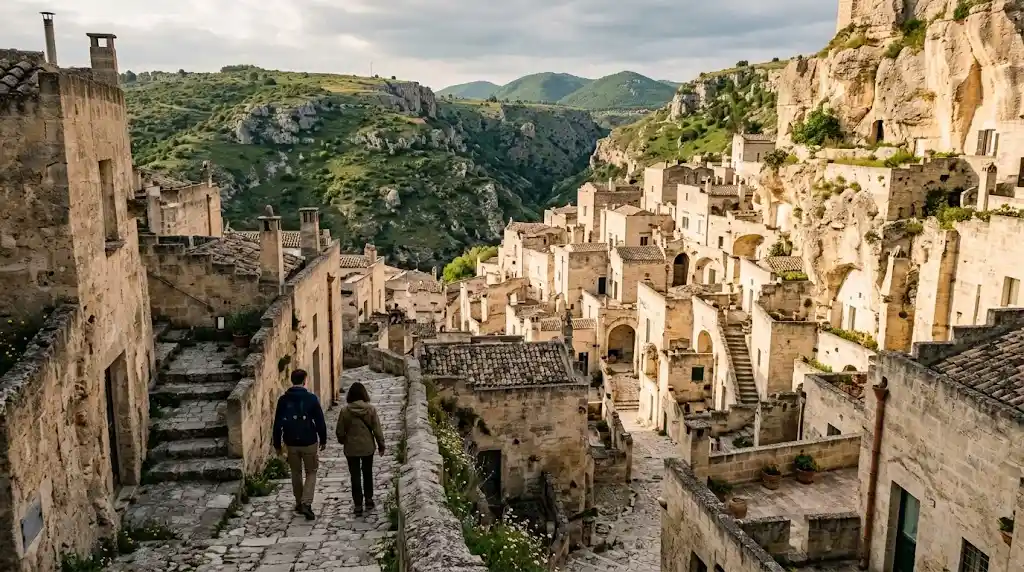
Matera in southern Italy is unlike most destinations in Europe. Its historic Sassi districts are built into natural rock formations, creating a remarkable urban landscape of cave homes, churches, stairways, and stone dwellings.
The Sassi and the Park of the Rupestrian Churches of Matera are recognized by UNESCO as an outstanding example of a rock-cut settlement. Human occupation in the area extends back thousands of years, making Matera particularly fascinating for travelers interested in architecture and history.
Visitors can explore the old stone districts, discover rock churches, walk through narrow streets, and experience the city’s relationship with the surrounding landscape.
3. Meteora, Greece
Meteora is one of Greece’s most extraordinary cultural landscapes. Monasteries appear to rise directly from enormous sandstone rock pillars, creating a setting that seems almost unreal.
Monastic communities began settling in this difficult terrain centuries ago, and numerous monasteries were constructed on the peaks. Today, the combination of towering rock formations, Byzantine heritage, and dramatic viewpoints makes Meteora an exceptional destination.
It is especially rewarding for travelers who want a trip that combines natural scenery with history and religious heritage.
4. Plitvice Lakes, Croatia
Plitvice Lakes National Park offers a completely different type of European experience. The park is famous for a connected system of lakes, waterfalls, forests, and natural travertine barriers.
The landscape is continually shaped by geological and biological processes, which help create the distinctive appearance of the lakes and waterfalls. Wooden walkways and designated trails allow visitors to explore different parts of the park while limiting unnecessary disturbance to sensitive areas.
For travelers looking for unusual natural scenery rather than another historic city, Plitvice Lakes is an excellent choice.
5. Sintra, Portugal
Sintra combines palaces, forests, gardens, mountain scenery, and centuries of cultural history in a relatively compact area. The result is a destination that feels very different from a conventional European city.
The Cultural Landscape of Sintra is recognized by UNESCO for its exceptional combination of natural and cultural elements. Its Romantic architecture incorporates Gothic, Egyptian, Moorish, and Renaissance influences within landscaped gardens and wooded surroundings.
Pena Palace, the Moorish Castle, Monserrate, and the historic center make Sintra particularly attractive for travelers interested in architecture and landscape design.
For official destination information, Visit Portugal’s guide to Sintra provides additional background and planning information.
6. Svalbard, Norway
For a truly Arctic experience, Svalbard offers landscapes that feel far removed from mainland Europe. The Norwegian archipelago is characterized by glaciers, mountains, polar desert environments, and extreme seasonal conditions.
Travel here requires more planning than a conventional European vacation. Weather, wildlife, limited infrastructure, and environmental considerations all influence how visitors experience the region.
Svalbard is best suited to travelers who prioritize wilderness, expedition-style experiences, and unusual natural environments.
7. The Burren, Ireland
The Burren in western Ireland is famous for its distinctive limestone landscape. Instead of the lush green scenery many visitors associate with Ireland, the Burren presents broad expanses of exposed limestone pavement, rocky formations, archaeological remains, and unusual plant life.
The region demonstrates how geology can shape an entire cultural landscape. Ancient monuments and settlements appear alongside a terrain formed over geological timescales.
Travelers who enjoy walking, photography, archaeology, and quieter rural destinations will find the Burren particularly rewarding.
8. Giethoorn, Netherlands
Giethoorn offers a completely different vision of European village life. The historic center is known for canals, small bridges, traditional houses, and waterways that have long played an important role in local transportation.
Rather than feeling like a conventional urban destination, parts of Giethoorn are experienced from the water or on foot. Its distinctive relationship with canals and the surrounding wetland landscape gives the village a character that is difficult to reproduce elsewhere.
It can be a good addition to a Netherlands itinerary for travelers who want to explore beyond the country’s major cities.
9. Transylvania, Romania
Transylvania is often associated with Dracula legends, but the region’s real appeal is much broader. Historic fortified churches, Saxon villages, medieval towns, Carpathian landscapes, and layered cultural influences create a diverse travel experience.
The region is especially interesting for travelers who want to combine historic architecture with outdoor exploration. Rural communities and mountain landscapes provide a different perspective from Europe’s more heavily visited capital cities.
For a deeper experience, consider combining medieval towns with countryside excursions rather than limiting your trip to the most famous Dracula-related attractions.
10. The Faroe Islands’ Remote Villages and Hiking Landscapes
One reason the Faroe Islands deserve special attention is the contrast between their small settlements and dramatic natural surroundings. Villages can appear tucked beneath steep mountains or beside the Atlantic, while hiking routes lead toward cliffs, valleys, and panoramic viewpoints.
The destination is particularly suited to travelers who value scenery and outdoor experiences over traditional sightseeing. Weather can change quickly, so visitors should plan conservatively and follow local hiking guidance.
The official Visit Faroe Islands tourism guide provides practical information about getting around, accommodation, hiking, weather, and responsible travel.
11. Lapland, Finland
Finnish Lapland offers a completely different seasonal rhythm from much of Europe. Winter brings short daylight hours and opportunities to experience Arctic landscapes, while summer creates extraordinarily long days and the midnight sun.
The region is also strongly connected to Sámi culture and traditional livelihoods, including reindeer herding. Visitors should approach cultural experiences respectfully and prioritize locally operated activities where possible.
Lapland works especially well for travelers looking for snowy landscapes, wilderness, northern lights experiences, or a slower nature-focused itinerary.
12. Mount Etna, Sicily
Mount Etna demonstrates how geology can influence an entire region. The active volcano dominates eastern Sicily and has shaped local agriculture, landscapes, settlements, and tourism.
A visit to the Etna area can be combined with vineyards, mountain scenery, villages, and coastal destinations. The experience is particularly distinctive because travelers can see how volcanic activity has influenced both the natural environment and human life.
Visitors should always follow current local safety guidance when exploring volcanic areas because conditions can change.
13. Český Krumlov, Czech Republic
Český Krumlov is a striking historic town in the Czech Republic, known for its preserved medieval street pattern, colorful buildings, castle complex, and position around the Vltava River.
Its compact scale makes it appealing for travelers who prefer walking rather than navigating a large capital city. Exploring early in the day can also provide a quieter experience before peak visitor periods.
The town works well as a cultural stop on a broader Central European itinerary.
14. The Swiss Alps, Switzerland
The Swiss Alps are famous, but their sheer variety still makes them one of Europe’s most distinctive regions. Dramatic mountain peaks, alpine villages, high-altitude railways, lakes, hiking routes, and winter sports create countless ways to experience the landscape.
Rather than treating the Alps as a single destination, travelers can choose a base according to their interests. Hiking-focused trips, scenic rail journeys, winter sports vacations, and relaxed mountain stays can all produce very different experiences.
If you want a broader regional itinerary, the Alps can also be combined with destinations in neighboring France, Italy, Austria, or Germany.
15. The West Coast of Ireland
Ireland’s west coast is an excellent choice for travelers who want dramatic scenery, traditional communities, coastal drives, and outdoor exploration. Cliffs, beaches, rocky landscapes, islands, and historic sites create a route where the scenery changes constantly.
Unlike a trip centered entirely on major cities, a west coast itinerary allows more time for small towns, coastal viewpoints, hiking routes, and local experiences.
Travelers planning an Ireland itinerary can also explore our guide to the best places in Ireland to visit for broader destination ideas.
How to Choose the Right Unique European Destination
The best destination depends on the type of experience you want rather than simply how unusual a place looks in photographs.
- For dramatic nature: Consider the Faroe Islands, Svalbard, Plitvice Lakes, or the Swiss Alps.
- For history and architecture: Matera, Meteora, Sintra, and Český Krumlov are strong choices.
- For rural landscapes: Explore the Burren, western Ireland, Transylvania, or Finnish Lapland.
- For unusual geology: Mount Etna, Matera, Meteora, and the Burren offer particularly distinctive landscapes.
- For outdoor adventures: The Faroe Islands, Svalbard, Lapland, and the Alps provide extensive opportunities for nature-based travel.
- For a quieter alternative to major cities: Giethoorn, Český Krumlov, and parts of Transylvania can provide a slower pace.
Best Time to Visit Unique Places in Europe
There is no single best season for every destination. Your ideal timing should depend on climate, activities, daylight, and accessibility.
Summer is generally useful for hiking and outdoor exploration in northern destinations, while winter can transform Lapland and parts of the Alps into snow-focused destinations. Spring and fall can provide comfortable conditions and different landscapes in many southern and western European locations.
Seasonality matters even more in Arctic and mountainous areas. Always check local conditions, transportation information, trail access, and weather guidance before departure.
For travelers specifically interested in seasonal European travel, our guide to the best places in Europe to visit in autumn provides additional itinerary inspiration.
Tips for Exploring Europe’s Less Conventional Destinations
Plan Transportation Carefully
Not every unique destination is connected by frequent trains or major highways. Research transfers, regional buses, ferries, rental-car requirements, and seasonal transportation before booking accommodation.
Respect Local Communities
Smaller destinations can experience significant pressure during busy travel periods. Stay on designated paths, respect residential areas, follow local rules, and support local businesses where possible.
Check Seasonal Conditions
Mountain, Arctic, volcanic, and coastal environments can change quickly. A destination that is accessible during one season may require additional planning during another.
Build Extra Time Into Your Itinerary
Unique destinations are often best experienced slowly. Instead of trying to cover too many locations, consider spending additional time in one region and exploring its villages, trails, landscapes, and cultural attractions.
Frequently Asked Questions
What are the most unique places to visit in Europe?
Some standout choices include the Faroe Islands, Matera, Meteora, Sintra, Plitvice Lakes, Svalbard, the Burren, Giethoorn, Transylvania, and Finnish Lapland. Each offers a distinctive combination of landscape, history, culture, or architecture.
What is the best European destination for unusual landscapes?
For dramatic and unusual scenery, the Faroe Islands, Svalbard, Plitvice Lakes, Meteora, and Mount Etna are particularly strong choices. The best option depends on whether you prefer mountains, Arctic environments, waterfalls, volcanic terrain, or coastal scenery.
Are unique European destinations suitable for first-time visitors?
Yes. Destinations such as Sintra, Matera, and Český Krumlov can be relatively straightforward additions to a broader European itinerary. More remote destinations, including Svalbard and the Faroe Islands, require additional planning for transportation, weather, and activities.
When is the best time to visit Europe’s unique destinations?
The answer depends on the destination. Summer is useful for many outdoor and northern European trips, winter is particularly appealing for snow-focused experiences, and spring or fall can offer different scenery and potentially quieter conditions.
How can travelers practice responsible tourism?
Use marked trails, follow local regulations, avoid disturbing wildlife, respect residents, reduce waste, and choose local accommodation, guides, restaurants, and activities when practical. Responsible tourism helps preserve the landscapes and communities that make these destinations special.
Final Thoughts
The most unique places to visit in Europe are not defined by one type of attraction. Some stand out because of extraordinary geology, while others preserve centuries-old architecture, traditional communities, or rare natural environments.
From the cave-built streets of Matera and the sandstone pillars of Meteora to the remote landscapes of the Faroe Islands and the limestone terrain of the Burren, these destinations demonstrate how varied European travel can be.
Instead of building your next trip entirely around the most famous capitals, consider adding one distinctive destination that matches your interests. A slower itinerary built around nature, heritage, food, architecture, or local culture can often create a more memorable European adventure.