
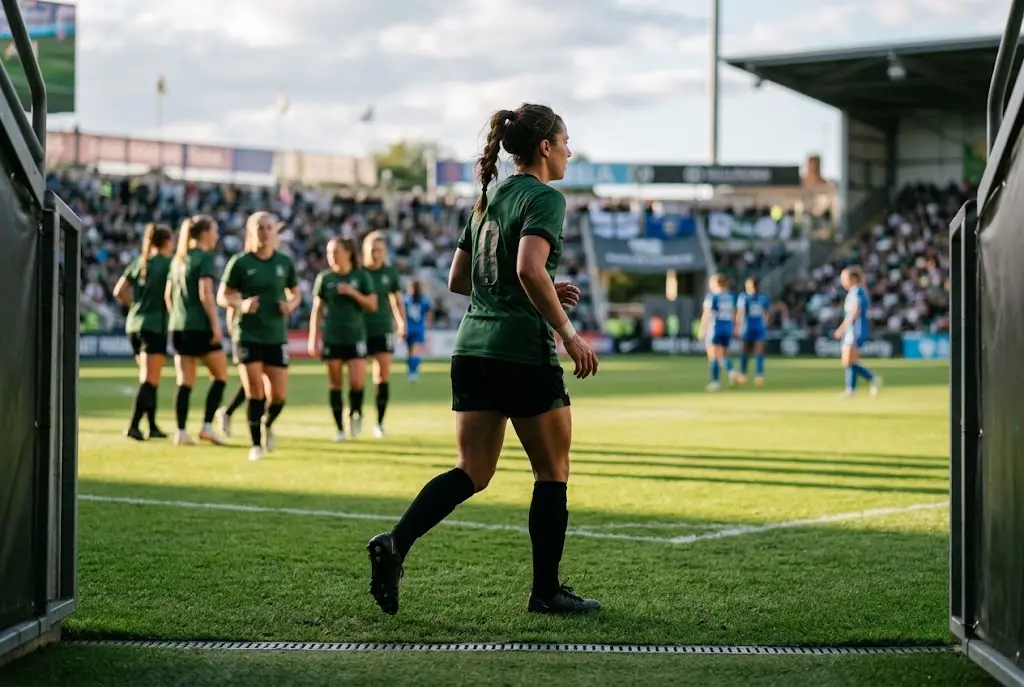
“Do you know what my favorite part of the game is? The opportunity to play.” It is a simple idea, but it captures something important about sports. The chance to compete, test yourself, and be part of the game is often just as valuable as the final score.
Winning is exciting, of course. Every athlete wants to perform well and see their hard work produce results. But a healthy approach to sports also recognizes the value of preparation, competition, teamwork, and simply getting the opportunity to step onto the field, court, track, or playing surface.
The original ZenithNote page is currently a placeholder with generic web-design text and Lorem Ipsum rather than meaningful sports content. This rewrite turns the existing topic into a human-focused article about the opportunity to play, compete, improve, and enjoy sports while keeping the existing permalink unchanged.
What Does “The Opportunity to Play” Really Mean?
The opportunity to play means having the chance to participate rather than simply watching from the sidelines.
For an athlete, that moment can represent months or years of training. Every practice, early morning workout, difficult drill, and disappointing performance leads toward another opportunity to compete.
That is why playing itself can be meaningful. The game gives athletes a chance to use what they have learned and discover what they are capable of doing under pressure.
Winning Is Important, But It Is Not Everything
Competition naturally creates a desire to win. There is nothing wrong with that. Winning can reward preparation and give athletes a powerful sense of achievement.
The problem begins when winning becomes the only reason to participate.
If the final score is the only thing that matters, an athlete can miss everything else that makes sports valuable. They may stop enjoying competition, become afraid of mistakes, or feel that every loss means they have failed.
A better approach is to care about the result while also appreciating the process that leads to it.
Every Game Is an Opportunity to Improve
No two games are exactly the same.
One competition may expose a weakness. Another may show that a particular skill has improved. Sometimes an athlete performs brilliantly. Other times, the performance falls short of expectations.
Each experience can teach something.
Athletes can learn how they react to pressure, how they communicate with teammates, how they respond after making mistakes, and where they still need to improve.
That makes competition part of the learning process rather than simply a final test.
The Chance to Play Starts With Preparation
The opportunity to compete becomes more meaningful when an athlete has prepared properly.
Training develops the skills and habits needed when competition arrives. It also creates familiarity. The more often an athlete practices a movement, strategy, or technique, the more comfortable they can become using it during a real game.
That is why the principle behind training hard, showing up, and giving your best fits naturally with this mindset.
You cannot control every result. You can control whether you prepare seriously and take the opportunity seriously when it arrives.
Playing Builds Confidence
Confidence often grows through experience.
An athlete may feel nervous before a competition, especially when the stakes are high. But each time they step into a competitive situation, they gain another opportunity to learn how to handle those feelings.
Over time, difficult situations become less unfamiliar.
A missed shot, a mistake, a poor start, or a tough opponent does not necessarily become a reason to panic. It becomes something the athlete has learned to deal with.
That kind of confidence is built through participation. You cannot develop it entirely from the sidelines.
Why Showing Up Matters
There is something powerful about simply showing up.
Not every training session will feel exciting. Not every competition will produce a personal best. There will be days when an athlete would rather stay comfortable.
Showing up anyway builds consistency.
It also creates opportunities that would not exist otherwise. You cannot score, make a play, learn from competition, or help your teammates if you never step into the game.
Participation creates possibility.
The Role of a Coach in Creating Opportunity
A coach plays an important role in helping athletes make the most of their opportunities.
A good coach does more than choose a lineup or design training sessions. They help players understand their strengths, identify areas for improvement, and develop the confidence to compete.
Trust matters here. Athletes are more likely to respond positively to demanding coaching when they believe the coach genuinely wants them to improve. That is why the relationship discussed in why players respond to coaches who have their best interest at heart is such an important part of sports development.
When players feel supported, an opportunity to play can become an opportunity to grow.
Some of the Best Lessons Come From Losing
Losing is one of the unavoidable parts of competitive sports.
It can be frustrating. An athlete may feel disappointed after giving everything they have and still coming away without the desired result.
But a loss can reveal things that a comfortable win might hide.
It can show where preparation was lacking, where communication broke down, or which skills need more attention. More importantly, it can teach an athlete how to respond when things do not go their way.
That response can become one of the most valuable parts of competition.
The Game Gives Athletes a Chance to Test Themselves
Training can prepare an athlete, but competition creates a different kind of challenge.
During practice, situations can be repeated and controlled. In a real game, conditions change quickly. Opponents react. Teammates make unexpected decisions. Pressure increases.
That uncertainty is part of what makes competition exciting.
The game asks athletes to make decisions in real time. It gives them a chance to discover whether the skills they practiced can hold up when the situation becomes unpredictable.
Playing Is Also About Enjoyment
Sports are supposed to be enjoyable.
Competition can be serious, but enjoyment is often what keeps people involved for years. The feeling of making a great play, improving a skill, helping a teammate, or simply being part of a competitive environment can be deeply rewarding.
Young athletes in particular can lose interest when every game becomes a judgment of their performance. Creating room for enjoyment helps them develop a healthier relationship with competition.
Enjoyment does not mean a lack of ambition. An athlete can want to win while still appreciating the experience of playing.
Team Sports Make the Opportunity Even Bigger
In team sports, playing is not only an individual experience.
Every athlete becomes part of something larger. A pass can create a scoring opportunity for a teammate. A defensive effort can protect the entire team. A player on the bench can encourage those on the field.
This is one reason teamwork and trust matter so much.
The opportunity to play is also an opportunity to contribute.
Not every contribution appears on a scoreboard. Sometimes the most important moment is a smart decision, a defensive effort, a supportive word, or the willingness to keep working after a mistake.
A Great Coach Can Make the Opportunity Meaningful
Coaching can influence how athletes experience competition.
A coach who only focuses on mistakes can make players afraid to take risks. A coach who combines high standards with encouragement can help athletes see mistakes as part of learning.
This is why the idea that a great coach can change more than a game is so relevant.
The right coach can teach athletes how to compete, but they can also teach discipline, resilience, responsibility, and confidence. Those lessons can remain useful long after the athlete leaves competitive sports.
How Athletes Can Make the Most of Every Opportunity
Having an opportunity to play is valuable, but athletes still have to make something of it.
- Prepare seriously: Use training to build the skills you will need in competition.
- Stay present: Focus on what is happening now instead of worrying about the final result.
- Compete with courage: Do not let fear of mistakes prevent you from making plays.
- Support teammates: Your contribution is not limited to what you do individually.
- Learn from mistakes: Ask what the experience can teach you.
- Enjoy the moment: Remember that getting the chance to compete is itself something worth appreciating.
Do Not Take the Opportunity for Granted
It is easy to assume there will always be another game.
But injuries, changing circumstances, age, competition, and other unexpected events can change an athlete’s opportunities quickly.
That does not mean athletes should compete with fear. It means they should appreciate the opportunities they have while they have them.
When you step onto the field, you have something many people wish they could experience: the chance to test yourself in a real competition.
The Best Part May Be the Journey
Think about everything that happens before and after a game.
There is training, preparation, travel, conversations with teammates, advice from coaches, moments of doubt, small improvements, setbacks, and eventually another chance to compete.
The journey gives sports much of their meaning.
The final score is one moment. The experiences surrounding it can stay with an athlete for years.
Competition Can Shape Character
Sports can reveal how people respond to pressure.
Do you blame someone else after a mistake? Do you encourage your teammates? Do you keep working when the game becomes difficult? Can you accept a loss without giving up?
These questions have value beyond sports.
The habits developed through competition can influence how people approach challenges in school, work, relationships, and everyday life.
Why the Opportunity to Play Is Worth Celebrating
At its heart, the phrase is about gratitude.
It is about appreciating the chance to compete instead of focusing only on what might go wrong. It is about recognizing that every game offers something: a challenge, a lesson, a memory, a chance to improve, or simply a chance to enjoy the sport you love.
That perspective can make competition healthier and more rewarding.
Final Thoughts
“Do you know what my favorite part of the game is? The opportunity to play.” is ultimately a reminder to appreciate participation, not just results.
Winning will always matter in competitive sports. But so do preparation, teamwork, courage, improvement, and the simple experience of being part of the game.
Every time an athlete gets the chance to compete, they get another opportunity to learn something about their sport and themselves.
So prepare well, step onto the field, give your best, and enjoy the opportunity while it is yours.