
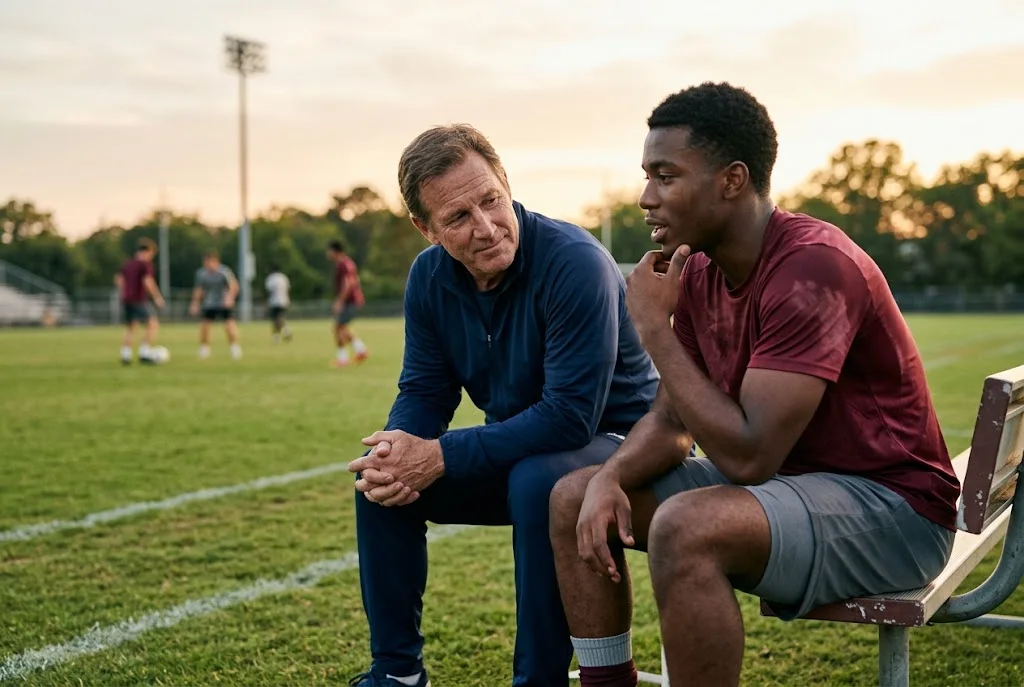
A good coach can change a game. A great coach can change a life. That difference goes far beyond wins, losses, drills, and game plans. A good coach can help an athlete perform better today. A great coach can help that athlete become a more confident, disciplined, resilient, and capable person for years to come.
Sports give coaches a unique opportunity to influence people during important stages of their lives. Athletes learn how to handle pressure, respond to mistakes, work with others, accept feedback, and keep going when things become difficult. The right coach can turn those experiences into lessons that remain valuable long after the final whistle.
That is what makes great coaching different. It is not only about developing better players. It is about developing better people.
What Makes a Good Coach Different From a Great Coach?
A good coach understands the sport. They know the rules, teach technique, prepare players, organize practices, and develop strategies that give the team a chance to succeed.
A great coach does those things too, but goes further.
Great coaches understand that every athlete is different. They pay attention to personality, confidence, motivation, strengths, weaknesses, and individual goals. They know when to push someone and when to listen.
Most importantly, they understand that the person comes before the performance.
A player is not just a statistic, position, jersey number, or result. A player is a person who is still learning how to handle success, disappointment, pressure, relationships, and responsibility.
A Great Coach Builds Trust
Trust is one of the foundations of a strong coach-athlete relationship.
An athlete is more likely to accept difficult feedback when they believe the coach genuinely wants them to improve. The same criticism can feel completely different depending on whether it comes from someone who cares or someone who simply wants control.
Trust does not mean a coach should avoid difficult conversations. In fact, great coaches often have some of the hardest conversations with their players.
The difference is that the athlete understands the purpose behind the conversation.
The message becomes, “I know you can do better, and I am going to help you get there,” rather than simply, “You are not good enough.”
The NCAA has highlighted the importance of authentic relationships between coaches and student-athletes, including coaching approaches that consider athletes as whole people rather than focusing only on performance. :contentReference[oaicite:0]{index=0}
Great Coaches See Potential Before Players See It
One of the most valuable things a coach can give an athlete is belief.
Young athletes do not always recognize their own potential. They may focus on what they cannot do yet. They may compare themselves with stronger players or become discouraged after a poor performance.
A good coach can identify weaknesses. A great coach can identify possibilities.
That does not mean giving empty compliments. Real encouragement is specific. A coach might notice that an athlete has unusual determination, learns quickly, communicates well, or continues working after setbacks.
When those qualities are recognized and developed, athletes can begin to see themselves differently.
Coaching Is About More Than Winning
Winning matters. Athletes compete because they want to perform well, and coaches have a responsibility to prepare their teams to compete.
But a scoreboard only measures one part of the experience.
A great coach also pays attention to what athletes are learning along the way. Are they becoming more disciplined? Are they learning to handle pressure? Are they becoming better teammates? Can they accept responsibility when something goes wrong?
Those lessons can become more important than a single championship.
The NCAA has also highlighted coaching relationships that continue to influence athletes beyond their playing careers, including the value of finding mentors and learning from coaches after competitive sports ends. :contentReference[oaicite:1]{index=1}
A Coach Can Teach Lessons That Last a Lifetime
Sports naturally create situations that require people to make difficult choices.
An athlete loses a starting position. A team suffers a disappointing defeat. A player makes an important mistake. Training becomes exhausting. A teammate needs support.
Each situation can become a lesson.
A great coach helps athletes understand what to do with those experiences. Instead of allowing failure to become a reason to quit, the coach can turn it into a chance to learn.
Instead of allowing success to create arrogance, the coach can teach humility.
Instead of allowing pressure to create fear, the coach can teach preparation and composure.
Those lessons have value far beyond sports.
The Best Coaches Know Their Players Are Different
There is no single coaching style that works perfectly for every athlete.
Some players respond well to direct instructions. Others need more explanation. Some become energized by competition, while others perform better when they receive calm encouragement.
Great coaches pay attention to those differences.
NCAA coverage of longtime baseball coach Billy Wagner provides a useful example. Wagner described learning that every individual is different and that coaches cannot simply use exactly the same approach with every player. :contentReference[oaicite:2]{index=2}
Personalized coaching does not mean lowering standards. It means finding the right way to help each athlete reach them.
Great Coaches Challenge Players
Being supportive does not mean making everything easy.
A great coach may be demanding. They may expect athletes to arrive prepared, work hard, listen carefully, and take responsibility for their performance.
That challenge can be uncomfortable, but discomfort is often part of growth.
The key is the relationship behind the expectation.
When athletes understand that a coach is demanding because they believe in their ability, high standards can become motivating rather than discouraging.
That idea connects closely with the principle behind why players respond to coaches who genuinely have their best interest at heart. Trust makes it easier for athletes to accept demanding coaching without feeling personally attacked.
Great Coaches Teach Players How to Handle Failure
Failure is part of sports.
Even the best athletes lose games, miss opportunities, make mistakes, and experience periods when their performance falls below expectations.
A coach cannot remove every disappointment. What they can do is teach athletes how to respond to it.
A poor response to failure is to blame everyone else or decide that improvement is impossible.
A healthier response is to ask what happened, what can be learned, and what needs to change before the next opportunity.
That mindset can become one of the most valuable habits an athlete carries into adult life.
Confidence Is Built Through Preparation
Great coaches do not simply tell players to be confident. They help them build reasons to believe in themselves.
Preparation is one of those reasons.
When athletes know they have trained consistently, practiced difficult situations, and worked on their weaknesses, they have something real behind their confidence.
That is why the principle behind training hard, showing up, and giving your best is so important.
A coach can create the environment, but the athlete still has to do the work.
A Great Coach Helps Athletes Enjoy the Opportunity
Competition should not become nothing more than a source of pressure.
Athletes need to remember why they started playing in the first place. They enjoy the challenge, the teamwork, the feeling of improvement, and the opportunity to compete.
That is why the idea that the opportunity to play can be the best part of the game is so powerful.
A great coach helps players compete seriously without allowing fear of failure to take away the enjoyment of sport.
Great Coaches Build More Than Athletes
Some of the most important qualities developed through sports are not technical skills.
Athletes can learn discipline by following a training schedule. They can learn responsibility by owning their mistakes. They can learn teamwork by putting the needs of the group ahead of personal recognition.
They can also learn resilience.
Resilience means continuing to move forward after something goes wrong. That skill can become extremely valuable outside sports, where people also face setbacks, rejection, uncertainty, and unexpected challenges.
Mentorship Can Continue Beyond the Playing Years
The strongest coach-athlete relationships do not necessarily end when an athlete graduates, changes teams, or stops competing.
A coach may become a long-term mentor whose advice continues to influence decisions years later.
That is one reason mentorship is such an important part of coaching. The athlete may eventually forget individual drills or specific game plans, but they may remember what a coach taught them about discipline, confidence, leadership, or handling adversity.
NCAA examples of coaching and mentorship show how these relationships can continue to influence people beyond the immediate competitive environment. :contentReference[oaicite:3]{index=3}
Great Coaches Create a Safe Place to Learn
Athletes need to know that making a mistake does not make them a bad player.
If every mistake produces humiliation or fear, players may stop taking reasonable risks. They may become afraid to try something new because they are more concerned about avoiding criticism than improving.
A healthy coaching environment allows athletes to make mistakes while still holding them accountable.
The standard remains high, but the goal is improvement rather than embarrassment.
The American Psychological Association’s material on coaching behavior includes instruction, correction, feedback, discipline, and recognition as important coaching behaviors, while emphasizing the value of coaches managing their own behavior and avoiding simply expressing frustration. :contentReference[oaicite:4]{index=4}
Great Coaches Listen
Coaching is not only about speaking.
Sometimes the most useful thing a coach can do is listen.
An athlete may be struggling with confidence, dealing with pressure, confused about their role, or simply having a difficult day. Listening does not mean agreeing with everything the athlete says. It means understanding the situation before deciding how to respond.
That kind of communication can strengthen trust and help coaches make better decisions.
Great Coaches Lead by Example
A coach cannot expect athletes to demonstrate qualities that the coach refuses to demonstrate personally.
If a coach expects discipline, they should be prepared and organized. If they expect respect, they should treat players and staff respectfully. If they expect athletes to accept responsibility, they should be willing to acknowledge their own mistakes.
Players watch what coaches do as much as they listen to what coaches say.
Leadership becomes more convincing when behavior matches the message.
What Makes a Coach Truly Life-Changing?
A life-changing coach does not necessarily have to be famous.
They may coach a small school, a local youth team, a community program, or an amateur club. Their impact is measured less by trophies and more by the people they help develop.
A truly influential coach often does a few simple things consistently:
- They believe in their athletes.
- They set clear and meaningful standards.
- They give honest feedback.
- They listen when players need to talk.
- They treat athletes as individuals.
- They teach responsibility.
- They help players recover from setbacks.
- They recognize effort and improvement.
- They prepare athletes for life beyond sports.
None of these requires a championship trophy. But together, they can change the direction of someone’s life.
The Difference a Coach Can Make During Difficult Moments
Sometimes a coach’s greatest influence appears when an athlete is struggling.
A player who is thinking about quitting may need someone to remind them why they started. An athlete who has lost confidence may need a coach to point out progress they can no longer see. Someone returning from a setback may need patience as well as encouragement.
The right words at the right time can stay with a person for years.
That is one reason coaching is much more than teaching technique. It is also about knowing when an athlete needs instruction, when they need accountability, and when they simply need someone to believe in them.
Why Great Coaching Matters After Sports
Eventually, every athlete’s competitive career changes.
Some players move to higher levels. Others finish college sports. Some leave competition much earlier. Regardless of when it happens, the skills developed through good coaching can continue to matter.
Discipline can help at work. Communication can improve relationships. Confidence can help with difficult decisions. Resilience can make setbacks easier to handle.
That is the real meaning behind the idea that a great coach can change a life.
The coach is not simply preparing someone for the next game. They are helping prepare that person for everything that comes after it.
Final Thoughts
A good coach can change a game. A great coach can change a life.
A good coach can improve performance, teach skills, and help a team compete. A great coach does all of that while also building confidence, character, discipline, resilience, and trust.
The most meaningful coaching moments may never appear on a scoreboard. They happen when an athlete learns to believe in themselves, recover from failure, take responsibility, support others, or keep going when quitting would be easier.
Years later, players may not remember every game they played. They may remember the coach who believed in them when they did not yet believe in themselves.
That is the kind of coaching that lasts.