

Ask ten travelers which place is best to visit in Thailand and you will get ten different answers — and they will all be right. Thailand is not one destination but several: a chaotic, delicious capital; misty northern mountains; and southern islands that look photoshopped. The best places to visit in Thailand depend entirely on what kind of trip you want — so here is an honest breakdown of each region to help you choose.
Whether you want temples, beaches, food, or adventure, this guide will point you to the right corner of the Land of Smiles.
Bangkok: The Capital That Never Slows Down
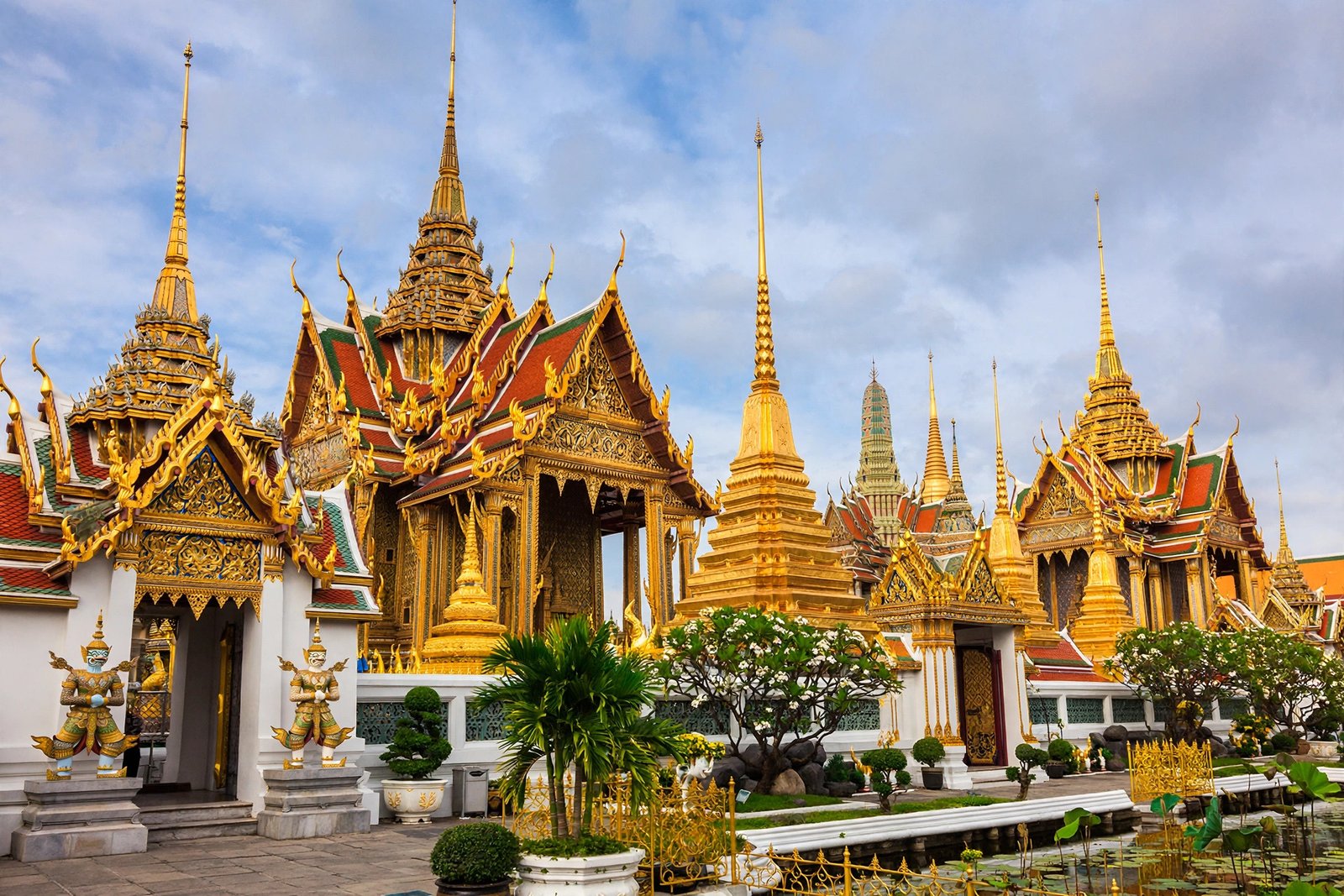
Love it or hate it, Bangkok demands at least two days. The Grand Palace and Wat Phra Kaew (Temple of the Emerald Buddha) are the essential sights — go at opening time to beat the heat and crowds. Wat Pho’s giant Reclining Buddha and Wat Arun’s riverside spires complete the temple trio.
Beyond temples, Bangkok is a food city: Chinatown (Yaowarat) at night is one of the great street-food streets on Earth, the Chatuchak Weekend Market has 15,000 stalls, and a Chao Phraya river ferry ride at sunset costs almost nothing. Stay near a BTS Skytrain station to beat the infamous traffic.
Chiang Mai: Temples and Mountains in the North
Northern Thailand moves at half Bangkok’s speed. Chiang Mai’s old city packs 300 temples inside its moated walls — Doi Suthep, glittering on the mountain above town, is the crown jewel, best visited at dawn. The Sunday Walking Street market takes over the old town weekly with food, crafts, and live music.
The north is also Thailand’s adventure base: ethical elephant sanctuaries (choose observation-only camps, never riding), jungle treks to hill-tribe villages, and the winding mountain road to Pai, a backpacker haven of hot springs and waterfalls. November’s Yi Peng lantern festival is pure magic if your dates align.
Phuket, Krabi, and the Southern Islands
For beaches, head south. Phuket is the biggest island with the most infrastructure — Patong for nightlife, quieter Kata and Karon for families. Krabi province counters with Railay Beach’s limestone cliffs (a rock-climbing mecca reachable only by boat) and the island-hopping tours to the Phi Phi Islands and Maya Bay.
On the Gulf side, Koh Samui offers upscale resorts, Koh Phangan hosts the famous Full Moon Party (and tranquil yoga retreats the rest of the month), and Koh Tao is one of the cheapest places in the world to get scuba certified. Island-hoppers often pair Thailand with nearby Bali’s beaches and temples or Langkawi’s island escapes in a single Southeast Asia trip.
Ayutthaya and Kanchanaburi: History Day Trips
An easy day trip from Bangkok, Ayutthaya was Siam’s capital for 400 years — its ruined temples and Buddha heads wrapped in banyan roots are hauntingly beautiful. Rent a bicycle at the train station to loop between the main ruins, and do not miss Wat Mahathat’s famous tree-embraced Buddha head. Kanchanaburi, two hours west, offers the Bridge over the River Kwai, the Death Railway museum, and Erawan National Park’s seven-tiered turquoise waterfalls, where you can swim up through the levels.
So, Which Place Is Best?
Here is the cheat sheet: first-timers should do Bangkok (3 days) + one island group (4–5 days). Culture lovers add Chiang Mai and Ayutthaya. Beach purists skip the north and split time between the Andaman coast (Krabi/Phuket) and the Gulf islands (Samui/Phangan). Budget travelers get more for their money in the north and northeast. And if you are still deciding between Asian destinations, compare with city guides like Mexico City to see which continent calls to you.
Thai Food: What to Eat and Where
No guide to Thailand is complete without food, because eating is half the reason to come. Start with the classics: pad thai from a sizzling street wok, tom yum goong (spicy-sour prawn soup), and som tam (green papaya salad pounded to order — ask for “pet nit noi” if you want it mildly spicy). Mango sticky rice in mango season (March to June) is worth planning a trip around.
Each region has its own kitchen. The north is famous for khao soi, a coconut curry noodle soup topped with crispy noodles, and sai ua, herb-packed sausage. The northeast (Isaan) brings larb (minced meat salad) and sticky rice eaten by hand. In the south, expect fierier curries and fresh seafood grilled beachside. Eat where the locals eat: busy stalls with high turnover, plastic stools, and menus only in Thai are almost always the best sign. A good rule of thumb — if you see office workers queuing at lunch, join the queue.
Practical Tips for Thailand
Best time: November to February (cool and dry); March–May is scorching; June–October brings rain (though the Gulf side stays drier). Getting around: domestic flights are cheap — book AirAsia or Nok Air early; overnight trains and buses cover longer routes. Etiquette: dress modestly for temples (cover shoulders and knees), remove shoes before entering, and never touch anyone’s head. Money: Thai baht; cash for markets and islands, cards widely accepted in cities.
The Bottom Line
The best places to visit in Thailand are not competing with each other — they are completing each other. Temples in the morning, islands by afternoon, night markets after dark: that is the Thailand rhythm, and once you find it, you will understand why so many travelers keep coming back.