
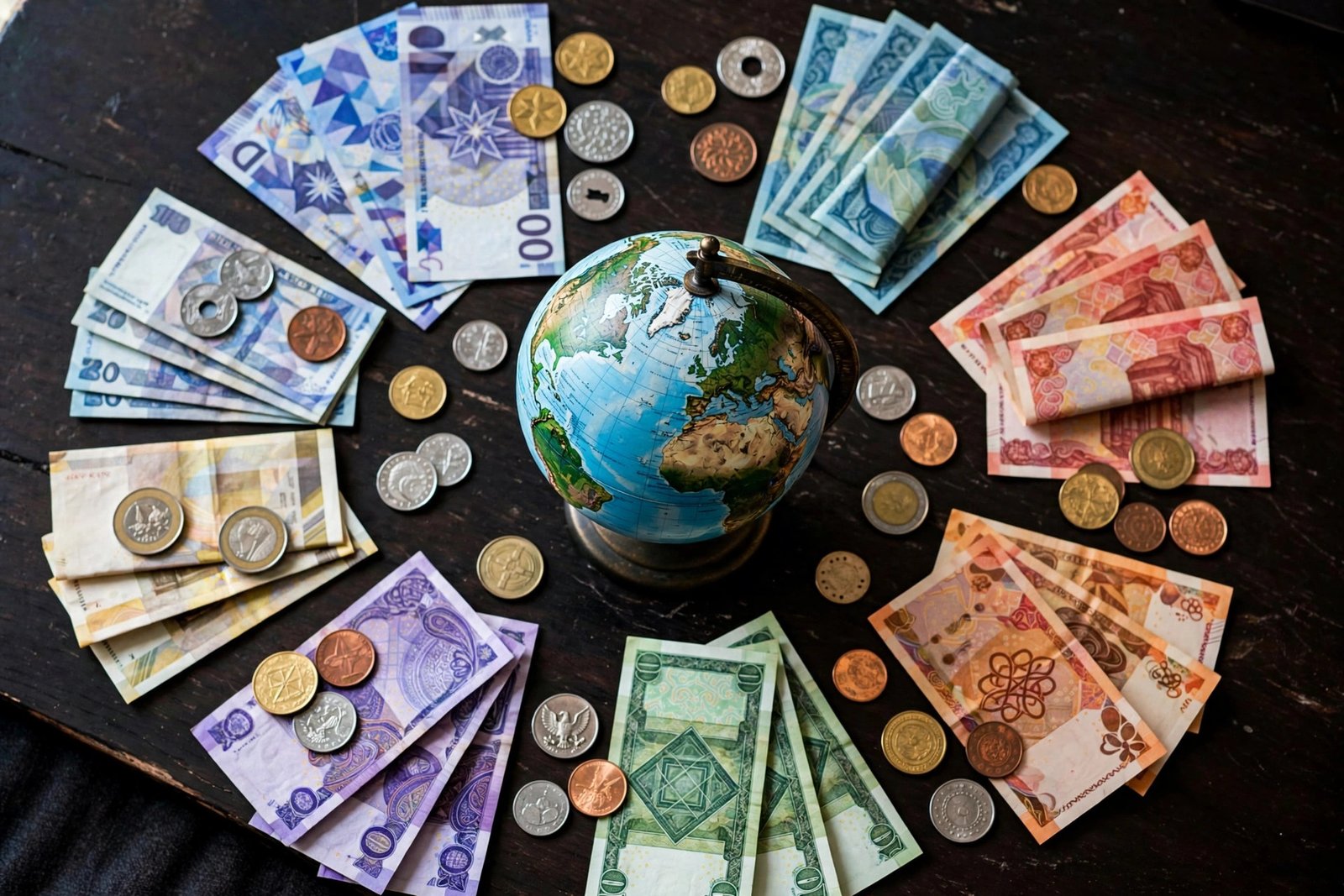
For more than half a century, one currency has ruled global trade, finance, and central bank reserves: the US dollar. Oil is priced in dollars, most international debts are settled in dollars, and when crises hit, the world rushes to hold dollars. But a growing number of countries are asking an uncomfortable question — is it healthy for the entire global economic system to depend on a single currency? The movement answering “no” has a name: de-dollarization.
De-dollarization does not mean the dollar disappears tomorrow. It means countries are actively building alternatives — trading in their own currencies, holding different reserves, and creating new payment systems. This shift is already underway, and it could reshape how money moves around the world for decades. Here is what it is, why it is happening, and what it means for you.
Understanding this shift matters because currency power shapes everything from the price of imported goods to the stability of entire economies. When one nation controls the money everyone must use, it also controls the financial lifelines of its rivals — and rivals, eventually, build their own.
How the Dollar Became So Dominant
The dollar’s dominance was not an accident. After World War II, the Bretton Woods agreement tied world currencies to the dollar, which was itself tied to gold. Even after that system ended in 1971, the dollar kept its crown because of the sheer size of the American economy, the depth of US financial markets, and the famous “petrodollar” arrangement — oil traded globally in dollars.
Today, roughly 60 percent of global foreign exchange reserves are held in dollars, and the dollar is involved in nearly 90 percent of foreign exchange transactions. That dominance gives the United States enormous influence — including the power to cut countries off from the global financial system through sanctions. It also means that when the US raises interest rates or prints money, the effects ripple into every corner of the planet.
Why Countries Are Pushing Back
The push against single-currency dominance comes from several directions at once. First, sanctions. When countries watched Russia’s dollar reserves get frozen in 2022, central banks everywhere took note: holding your savings in someone else’s currency carries political risk. Many decided to diversify.
Second, cost. Trading in dollars when neither trading partner uses the dollar adds conversion fees, exchange-rate risk, and delays. Brazil selling soy to China has no natural reason to route the payment through New York — and increasingly, it doesn’t. Bilateral currency agreements, where two countries trade in their own money, are multiplying.

Third, debt. Emerging economies that borrow in dollars but earn in local currency live with a permanent vulnerability: when the dollar strengthens, their debts get heavier overnight through no fault of their own. Reducing dollar dependence is, for many finance ministers, simple self-defense.
The Alternatives on the Rise
So what is replacing the dollar? Not one thing — many things. China’s yuan is the most talked-about challenger: Beijing has signed currency-swap deals with dozens of countries and settles a growing share of its trade in yuan. The euro already plays a major reserve role. India is pushing rupee-based trade with partners in Asia and the Middle East.
The BRICS group of emerging economies has discussed everything from a shared trade currency to expanded local-currency settlement systems. Meanwhile, central banks are buying gold at the fastest pace in decades — the oldest “alternative currency” of all. And on the technology side, the rise of digital currencies, from central bank digital currencies to digital alternatives to traditional banking, is quietly building payment rails that do not need any single national currency at the center.
What a Multipolar Currency System Would Look Like
Most economists do not expect one currency to simply replace the dollar. The more likely future is multipolar: the dollar remains important, but shares the stage with the euro, the yuan, and regional currencies, while gold and digital assets play bigger supporting roles. Trade would be messier and more fragmented than the dollar-centered system — but also more resilient, because no single country’s decisions could freeze the whole machine.
This transition will be slow. Currencies benefit from network effects — everyone uses the dollar partly because everyone else does. Breaking that habit takes decades, new infrastructure, and deep trust between trading partners. But the direction of travel is clear, and how global trading markets keep evolving will shape how fast it happens.
What It Means for Ordinary People
You do not need to be a central banker to feel these shifts. A multipolar currency world could mean more volatile exchange rates when you travel or send money abroad, new options for holding savings beyond the dollar, and cheaper cross-border payments as competing systems fight for your business. Businesses that trade internationally will need to manage currency risk across more currencies — a headache, but also an opportunity to cut out middlemen.
The Bottom Line
The global economic system grew up around a single dominant currency, and that arrangement is starting to crack — not collapsing, but gradually giving way to something more diverse. De-dollarization is less a revolution than a long, uneven negotiation over who gets to set the rules of world money. For countries, it is about sovereignty and stability. For the rest of us, it is a reminder that the financial world is never as fixed as it looks — and that the wisest position, in money as in life, is never to depend entirely on a single anything.