
Winter changes the United States in useful ways: ski towns fill up, national parks go quiet, southern cities stay warm, and holiday lights make even a short city break feel different. The trick is matching the trip to the kind of winter you actually want — deep snow, mild sunshine, or festive cities — rather than assuming one destination suits everyone.
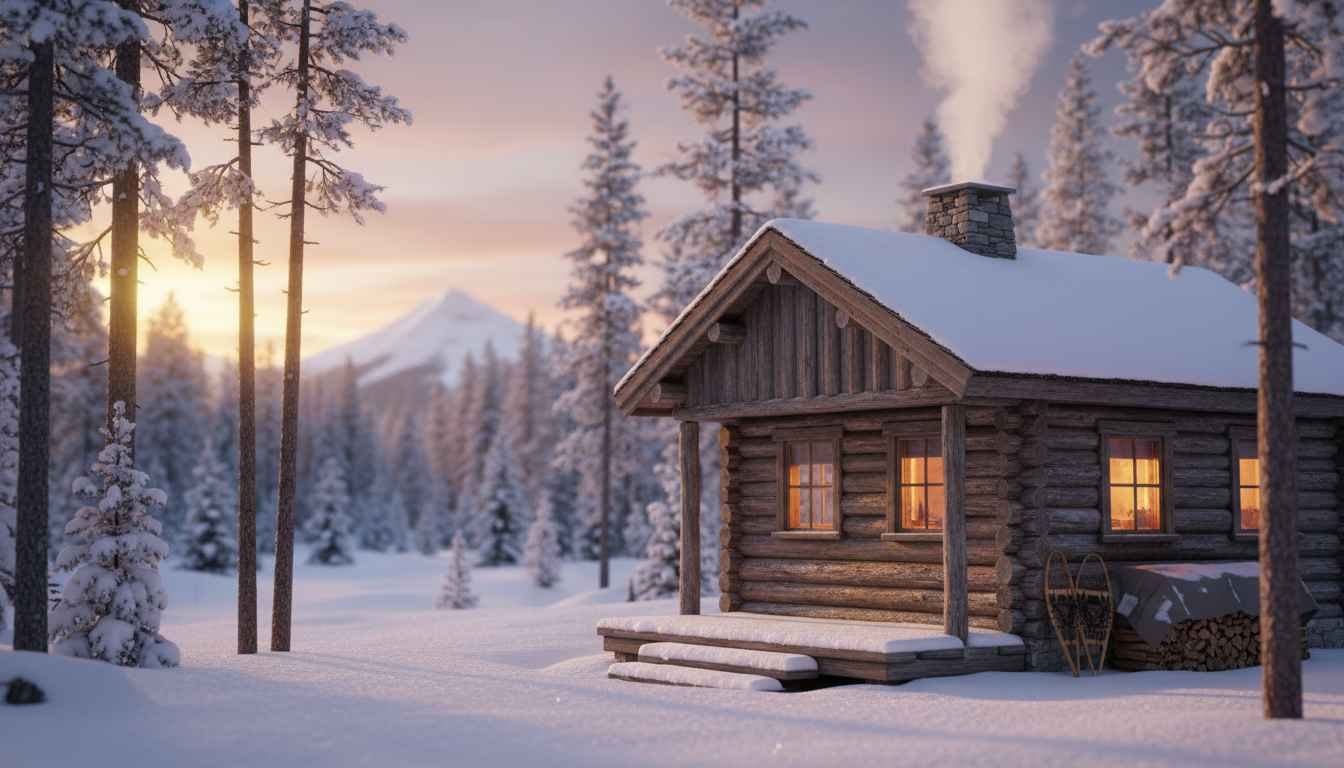
For Snow and Skiing: The Mountain West and Northeast
If skiing or snowboarding is the point, head for reliable snow. In Colorado, Aspen and Vail are the best-known names, but smaller resorts across Utah, Wyoming, and Montana often offer shorter lift lines and lower prices. In the Northeast, Lake Tahoe — on the California–Nevada border — and the Adirondacks in New York offer a mix of slopes, snowshoe trails, and small towns with winter lodging. Book lift tickets and lodging early for holiday weeks, when prices and crowds peak.
Yellowstone in winter is a different experience from summer: far fewer visitors, snow-covered geysers, and guided snowcoach or snowmobile access to much of the park, since most park roads close to regular cars. Zion in Utah is also quieter in winter, with mild daytime temperatures that suit hiking, though some trails can be icy and short days limit how far you can go.
For Festive Cities: New York, Chicago, and Boston
Northern cities come alive in December with holiday markets, ice rinks, and light displays. New York City pairs festive window displays and the Rockefeller Center tree with world-class museums for cold days. Chicago and Boston offer similar seasonal markets and skating, plus walkable downtowns that work well for a long weekend. Pack for real cold — wind chill in these cities can be much lower than the forecast temperature suggests — and plan indoor backups for the coldest days.
For a quieter winter city break, consider Washington, DC in winter, where many Smithsonian museums are free and crowds thin out, or Maryland in winter, which combines Baltimore’s Inner Harbor with snowy western Maryland at Deep Creek Lake.
For Warmth: The South and Southwest
If you want to escape the cold, the southern states are the obvious answer. New Orleans brings parades, live music, and mild winter weather, while Miami offers beach days and outdoor dining through the winter months. For a quieter retreat, the Smoky Mountains in Tennessee and Georgia’s wine country offer scenic drives and mild temperatures without beach crowds.
In the Southwest, Phoenix and Tucson offer mild, sunny winters ideal for hiking and desert walks, though desert nights can be cold — pack a warm layer even when daytime temperatures look pleasant. These destinations also work well as a base for a longer road trip, and they feature in many best places to visit in the USA lists for exactly that reason: they are easy to combine with nearby parks and cities.
Planning Tips for a Winter Trip in the US
Winter travel rewards a little extra planning. Check road conditions before mountain drives, allow extra time at airports during storms, and choose lodging with flexible cancellation if your dates fall in storm season. Layered clothing beats one heavy coat for days that swing between cold mornings and heated indoors. Finally, confirm seasonal closures in advance: some park roads, boat tours, and mountain lodges close or run reduced winter hours.
FAQ
When is the best time to visit the US in winter? Late December to February is best for snow sports, while December is best for festive city events. January and early February are often quieter — and sometimes cheaper — outside holiday weeks.
Is winter in the US suitable for families? Yes, with the right destination. Ski resorts offer lessons for children, southern cities offer outdoor activities without snow gear, and museums and indoor attractions cover bad-weather days in northern cities.
Do I need a car for a winter trip? Not always. Cities like New York, Chicago, and Boston work well without one, but mountain resorts and national parks are much easier with a car — and winter tires or chains may be required on some mountain roads.