
“`html
Exploring Siberia: Best Travel Experiences with ITE Travel Siberia
Siberia offers a remarkable combination of vast wilderness, dramatic landscapes, distinctive cultures, and outdoor adventures. From the shores of Lake Baikal to the mountains of Altai, the region provides travel experiences that feel very different from conventional city breaks.
This guide explores the major experiences associated with Siberian travel and explains how travelers can approach a trip with better planning, realistic expectations, and a focus on nature, culture, and responsible exploration.
Why Travel to Siberia?
Siberia is enormous, and its appeal comes partly from the scale and variety of its landscapes. The region includes taiga forests, mountains, rivers, steppe, remote settlements, and one of the world’s most remarkable freshwater ecosystems.
For travelers who enjoy nature, photography, hiking, cultural experiences, and less conventional destinations, Siberia can provide a strong sense of discovery. Rather than trying to see everything in one trip, it is better to select a specific area and build an itinerary around the experiences that matter most.
Lake Baikal: A Highlight of Any Siberian Journey
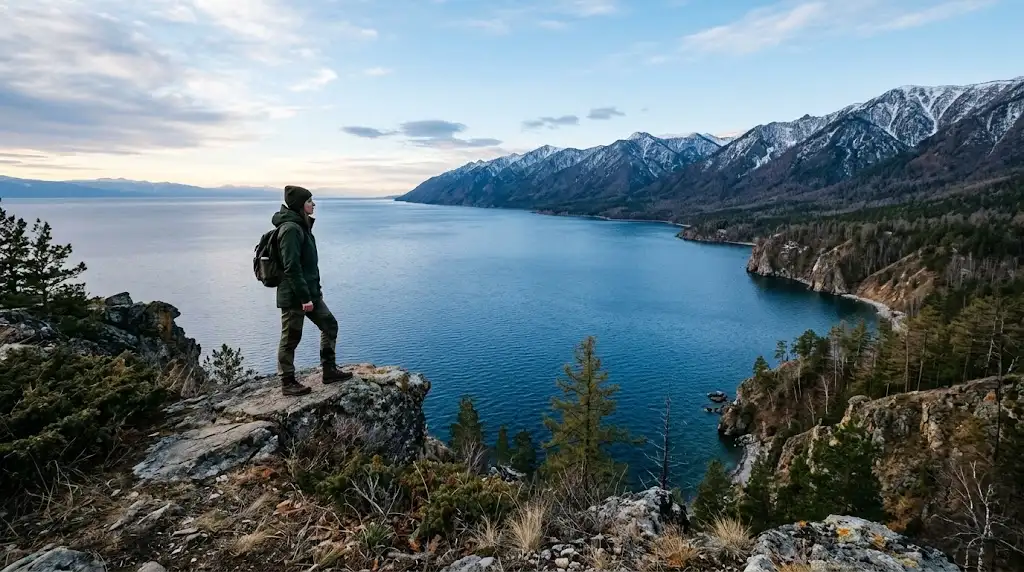
Lake Baikal is one of Siberia’s defining destinations. Located in southeastern Siberia, it is recognized by UNESCO as the world’s oldest and deepest lake. UNESCO places its age at around 25 million years and its maximum depth at about 1,700 meters. The lake also contains roughly 20% of the world’s unfrozen freshwater reserves.
These characteristics make Baikal much more than a scenic stop. Its unusual freshwater ecosystem, endemic wildlife, surrounding forests, and changing seasonal landscapes make it especially attractive to nature lovers and photographers.
Depending on the season, visitors may explore the shoreline, take boat excursions, hike in the surrounding area, photograph the landscape, or experience the striking frozen scenery that develops during winter.
Discover the Altai Mountains
The Altai region offers another side of Siberian travel. Mountain landscapes, rivers, forests, valleys, and remote outdoor routes create opportunities for travelers who prefer active experiences.
Hiking, road trips, horseback excursions, rafting, photography, and nature-focused tours can all form part of an Altai itinerary. The official tourism portal for the Altai Republic highlights a wide range of routes and travel formats, including hiking, road-based journeys, water activities, and guided experiences.
Because some routes are remote and conditions can change quickly, travelers should match activities with their experience level and use qualified local guides where appropriate.
Experience Siberian Wildlife and Nature
Siberia’s natural environment is one of its strongest attractions. Large forested areas, mountains, wetlands, rivers, and protected landscapes support a diverse range of plants and animals.
Wildlife-focused travel should be approached with patience rather than expectations of guaranteed sightings. The most rewarding experiences often involve observing landscapes and habitats while minimizing disturbance to animals.
Guided nature excursions can also make remote environments easier to navigate while helping visitors understand local ecosystems, seasonal conditions, and conservation considerations.
Explore Siberian Culture and Local Traditions
Siberia is not simply a wilderness destination. Its cultural landscape is equally important, with historic towns, religious sites, traditional communities, regional cuisine, and Indigenous cultures contributing to the character of different areas.
Travelers can enrich their experience by learning about the communities they visit rather than treating local culture as a backdrop. Trying regional food, visiting museums and historical sites, and participating in locally organized cultural experiences can provide a deeper understanding of Siberia.
Respect is particularly important when visiting Indigenous communities or culturally significant places. Travelers should follow local guidance about photography, access, ceremonies, and appropriate behavior.
Adventure Activities in Siberia
Siberia is well suited to travelers looking for outdoor adventure. Depending on the destination and season, possible activities include hiking, skiing, snowboarding, rafting, horseback riding, boating, and other nature-based excursions.
Winter Adventures
Winter transforms parts of Siberia into a dramatically different environment. Snow-covered forests, frozen lakes, mountain scenery, and cold-weather activities can create memorable experiences for properly prepared visitors.
Winter travel requires careful planning. Temperatures can become severe, daylight hours may be limited, and transportation conditions can change quickly. Appropriate clothing, reliable transportation arrangements, and local expertise are particularly important.
Summer Adventures
Summer opens up additional opportunities for hiking, camping, boating, road trips, and exploring mountain and forest environments. Longer daylight hours can make it easier to combine several outdoor activities within one itinerary.
Wellness and Slower Travel
Not every Siberian experience needs to be physically demanding. Travelers can also build slower itineraries around scenic stays, nature walks, local food, cultural attractions, and wellness experiences.
Spending more time in one destination can be especially rewarding. Instead of rushing between distant locations, travelers can use a slower schedule to understand the surrounding landscape and local way of life.
How ITE Travel Siberia Can Fit Into Your Planning
The original article presents ite:travel-siberia.ru as a travel resource associated with Siberian experiences, including guided itineraries and outdoor activities. When evaluating any tour operator or travel service, travelers should independently confirm the current services offered, booking terms, accommodation arrangements, transportation, cancellation policies, and guide credentials before making a reservation.
A useful travel provider should make the practical side of a remote trip easier while allowing travelers to understand what is included. This is especially important for Siberia, where distances can be considerable and seasonal conditions may affect routes and activities.
How to Plan a Siberian Trip
Choose Your Main Region
Start by deciding whether your priority is Lake Baikal, the Altai Mountains, Siberian cities, cultural experiences, wildlife, or a combination of these. Siberia is too large to approach as a single compact destination.
Plan Around the Season
Season has a major influence on the type of experience available. Summer can be suitable for hiking, boating, and road-based exploration, while winter offers a completely different landscape and a greater emphasis on cold-weather preparation.
Build in Travel Time
Long distances can make ambitious itineraries tiring. Leave enough time for transportation, weather-related changes, and rest instead of scheduling every day too tightly.
Prepare for Remote Conditions
Some outdoor areas have limited services and connectivity. Carry appropriate clothing, essential personal supplies, and any documents or equipment required for your planned activities.
Check Current Travel Requirements
Travel conditions and entry requirements can change. Before planning an international trip to Russia, check current government travel advisories, visa requirements, airline availability, insurance conditions, and local restrictions. Travelers should also understand that current security conditions may affect whether a Siberian trip is appropriate for them.
Responsible Travel in Siberia
Siberia’s natural environments are a major part of its appeal, which makes responsible tourism especially important. Visitors should avoid littering, respect protected areas, follow marked routes where required, and avoid disturbing wildlife.
Supporting local businesses and choosing responsible guides can also help ensure that tourism contributes to communities rather than placing unnecessary pressure on fragile environments.
What Makes a Siberian Trip Memorable?
The strongest Siberian travel experiences are not necessarily about checking the largest number of attractions off a list. They often come from spending time in extraordinary landscapes, meeting local people, experiencing regional traditions, and seeing how dramatically the environment changes with the seasons.
Lake Baikal provides a powerful example of this. Its scale, age, biodiversity, and surrounding scenery make it an experience that can combine sightseeing, photography, outdoor recreation, and environmental appreciation in one destination.
Final Thoughts
Siberia offers a distinctive form of travel built around nature, space, culture, and adventure. From Lake Baikal and the Altai Mountains to regional communities and outdoor routes, the region provides plenty of opportunities for travelers seeking experiences beyond traditional tourist destinations.
ITE Travel Siberia can be considered as part of the trip-planning process, but travelers should verify its current offerings and booking conditions independently. More importantly, a successful Siberian journey begins with choosing the right region, planning around the season, preparing for remote conditions, and checking current travel requirements before departure.