
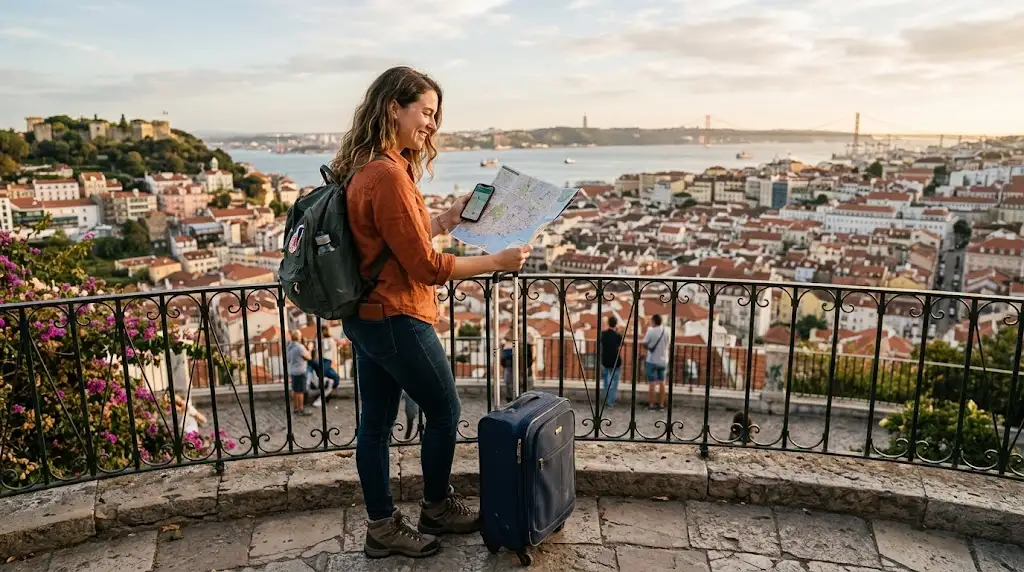
This guide explores practical travel-planning strategies, from choosing a destination and building an itinerary to managing transportation, accommodation, documents, budgets, safety, and unexpected changes.
What Makes Travel Feel Effortless?
An effortless trip does not necessarily mean that everything goes exactly according to plan. Flights can be delayed, weather can change, attractions can close, and transportation can take longer than expected.
The difference is preparation.
Good travelers build enough flexibility into their plans to handle minor disruptions without allowing one unexpected event to ruin the entire trip.
An effective travel strategy usually includes:
- A realistic itinerary
- Reliable transportation planning
- Suitable accommodation
- Important travel documents
- A practical budget
- Emergency contacts
- Travel insurance where appropriate
- Flexible time for unexpected situations
Planning these basics in advance can leave more time to enjoy the destination itself.
Choose the Right Destination for Your Travel Style
There is no universally perfect travel destination. The right choice depends on what you want from the experience.
Some travelers prioritize historical attractions and museums, while others prefer beaches, mountains, food, nightlife, nature, shopping, or quiet surroundings.
Before booking a trip, consider what you actually want to do during your time away.
For example, a traveler looking for dramatic scenery may prefer a mountain destination, while someone interested in architecture and history may enjoy a major European city.
Matching the destination to your interests can make the entire itinerary easier to build.
Research Before You Book
Good travel planning starts with research rather than immediately purchasing flights.
Research the destination’s:
- Weather during your travel dates
- Peak and off-peak seasons
- Local transportation
- Accommodation areas
- Entry requirements
- Currency
- Common payment methods
- Local customs
- Major attractions
- Typical travel times between locations
This initial research can reveal whether your chosen dates and itinerary are realistic.
For destination inspiration, ZenithNote also features travel guides covering locations ranging from Tokyo in winter to France’s historic and scenic destinations.
Build an Itinerary That Leaves Room to Breathe
One of the most common travel-planning mistakes is trying to see everything in a limited amount of time.
An itinerary with five or six major activities every day may look impressive on paper, but it can quickly become exhausting.
Instead, prioritize the experiences that matter most and leave open periods between major activities.
A flexible itinerary might include:
- One or two major attractions
- A meal or local food experience
- Free time for exploration
- Transportation buffers
- Optional activities
This approach makes it easier to adjust plans when weather, traffic, opening hours, or personal energy levels change.
Plan Transportation Before Arrival
Transportation can have a major effect on how enjoyable a trip feels.
Before arriving, determine how you will travel from the airport or station to your accommodation and how you will move around the destination.
Depending on the location, options may include:
- Public transportation
- Airport transfers
- Rental cars
- Taxis
- Ride-hailing services
- Walking
- Regional trains
- Domestic flights
Understanding these options in advance can prevent unnecessary confusion immediately after arrival.
Choose Accommodation Based on Location, Not Just Price
A cheaper hotel is not always the cheapest overall option.
If inexpensive accommodation is far from the attractions you want to visit, you may spend more money and time on transportation every day.
When comparing accommodation, consider:
- Distance from major attractions
- Access to public transportation
- Neighborhood safety
- Check-in and check-out times
- Cancellation conditions
- Included amenities
- Guest reviews
- Taxes and additional fees
For longer trips, a slightly more convenient location can sometimes make a noticeable difference to the overall experience.
Create a Realistic Travel Budget
Travel costs involve much more than flights and hotels.
A practical budget should account for:
- Transportation
- Accommodation
- Food
- Attractions
- Local travel
- Travel insurance
- Visa or entry fees where applicable
- Shopping
- Emergency expenses
It is also sensible to keep an emergency reserve instead of allocating every available dollar to planned activities.
A flexible budget provides protection when transportation costs increase or an unexpected expense appears.
Keep Important Travel Documents Organized
Travel documents should be accessible throughout the journey.
Depending on the destination and traveler, these may include:
- Passport
- Visa or travel authorization
- Flight confirmations
- Accommodation details
- Travel insurance information
- Driver’s license
- Rental-car documents
- Emergency contacts
- Copies of important identification
Digital copies can be useful, but travelers should not rely exclusively on a single device. Keeping important information accessible through a secure backup can be helpful if a phone is lost or damaged.
Understand Visa and Entry Requirements
Entry requirements vary according to destination and nationality. Travelers should verify current requirements with official government or embassy sources before booking a non-refundable trip.
This is particularly important for international travel because visa requirements, passport-validity rules, travel authorizations, and health documentation can change.
Travelers should also check whether transit through another country creates additional entry requirements.
Planning these details early can prevent a potentially serious problem at the airport.
Pack According to the Destination
Efficient packing is about bringing what you actually need rather than filling every available space.
Consider the destination’s climate, planned activities, cultural expectations, and transportation arrangements.
A practical packing list may include:
- Weather-appropriate clothing
- Comfortable walking shoes
- Necessary medications
- Travel documents
- Chargers and adapters
- Personal hygiene products
- Reusable water bottle
- Small day bag
- Weather protection
For longer trips, choosing versatile clothing that can be combined in different ways can reduce luggage weight.
Use Technology Without Depending on It Completely
Smartphones have transformed modern travel. Maps, translation tools, booking apps, digital tickets, weather services, and travel guides can all make a trip easier.
However, travelers should prepare for situations where mobile data, battery power, or internet access is unavailable.
Download important maps and reservations when possible, carry a charging solution, and keep essential addresses or booking information available offline.
Technology should make travel easier without becoming a single point of failure.
Plan for Food and Local Experiences
Food can be one of the most memorable parts of a trip.
Instead of planning every meal in advance, consider identifying a few restaurants, markets, local specialties, or food districts that you would like to experience.
Leave some flexibility for recommendations from locals or unexpected discoveries.
This can turn an itinerary from a checklist of attractions into a more authentic travel experience.
Respect Local Culture
Responsible travelers make an effort to understand the customs of the communities they visit.
Research appropriate clothing, photography etiquette, tipping practices, religious customs, public behavior, and local expectations before arrival.
Even small efforts to respect local culture can improve interactions with residents and reduce the likelihood of accidental misunderstandings.
Think About Travel Safety
Travel safety does not mean avoiding every unfamiliar situation. It means understanding potential risks and taking reasonable precautions.
Useful habits include:
- Keeping important documents secure
- Being aware of your surroundings
- Using reputable transportation
- Avoiding unnecessary displays of valuables
- Keeping emergency contacts accessible
- Checking local safety guidance
- Using appropriate travel insurance
Travelers should also understand the emergency services and local assistance options available at their destination.
Travel Insurance Can Add Financial Protection
Travel insurance can help protect against certain unexpected expenses depending on the policy and circumstances.
Coverage can vary considerably between providers and policies. Some plans may include benefits related to trip cancellation, medical emergencies, baggage problems, delays, or other travel disruptions.
Before purchasing a policy, read the exclusions, limits, excesses, and conditions carefully rather than assuming every travel problem will be covered.
The right policy depends on the destination, trip length, activities, traveler profile, and financial risks involved.
Prepare for Flight Delays and Other Disruptions
Even a carefully planned trip can encounter delays.
Flights can be affected by weather, technical problems, congestion, staffing, or other operational issues.
Travelers can reduce the impact by avoiding extremely tight connections, keeping essential items in carry-on luggage, and maintaining access to booking information.
If a delay occurs, remain flexible and prioritize the next practical step rather than trying to preserve every detail of the original itinerary.
Make Long Journeys More Comfortable
Long flights, train journeys, and road trips can be physically demanding.
Comfort can often be improved by wearing suitable clothing, staying hydrated, moving periodically during long periods of sitting, and keeping frequently needed items accessible.
For road trips, planned breaks are particularly important. A journey should allow enough time for rest rather than treating every stop as lost travel time.
Road Trips Require Different Planning
Road travel offers flexibility but also creates responsibilities that do not apply to every type of trip.
Before a long drive, consider:
- Vehicle condition
- Fuel availability
- Road conditions
- Weather forecasts
- Rest stops
- Navigation
- Emergency supplies
- Accommodation along the route
Drivers should also avoid planning unrealistic distances simply because a map shows that the route is technically possible in a certain number of hours.
ZenithNote’s Picuris Travel Center guide provides another example of travel content centered around roadside travel and journey planning.
Travel With Family
Family travel often requires additional planning because different travelers may have different energy levels, interests, dietary needs, and schedules.
Parents can make trips easier by balancing structured activities with rest periods and allowing children some choice in what they want to experience.
Accommodation location can also matter more when traveling with children because easy access to food, transportation, and basic services can reduce unnecessary stress.
For family destination inspiration, see ZenithNote’s guide to places to visit in Qatar with family.
Travel During Different Seasons
The same destination can feel completely different depending on the time of year.
Seasonal travel affects:
- Weather
- Daylight hours
- Accommodation prices
- Tourist crowds
- Attraction availability
- Outdoor activities
- Transportation conditions
Travelers who prefer quieter experiences may benefit from shoulder-season travel, while those seeking specific seasonal events may intentionally choose peak periods.
For example, winter travel can offer a very different experience from visiting the same destination during summer. ZenithNote’s Tokyo winter travel guide explores this type of seasonal planning.
How to Make Travel More Sustainable
Travelers can make more environmentally responsible choices without giving up the enjoyment of exploring new places.
Simple approaches include using public transportation where practical, reducing unnecessary waste, supporting local businesses, respecting natural areas, and avoiding activities that harm wildlife or fragile environments.
Responsible travel also means respecting residents and recognizing that popular destinations are communities rather than simply attractions for visitors.
Keep Your Schedule Flexible
One of the best ways to make a trip feel easier is to avoid filling every hour.
Leave space for unexpected opportunities. A local recommendation, an interesting neighborhood, a scenic viewpoint, or a small restaurant can sometimes become a highlight of the entire trip.
Flexibility also provides a buffer when something goes wrong.
Document the Journey
Photography and journaling can help preserve travel memories long after returning home.
Instead of photographing only famous landmarks, consider documenting everyday experiences, local architecture, food, landscapes, transportation, and small moments that communicate what the destination actually felt like.
This creates a more meaningful personal record of the journey.
Common Travel Planning Mistakes
Even experienced travelers can make planning mistakes. Some of the most common include:
- Overpacking
- Creating an unrealistic itinerary
- Ignoring travel time between attractions
- Booking non-refundable arrangements too early
- Forgetting entry requirements
- Failing to check local weather
- Underestimating food and transportation costs
- Keeping all important documents in one place
- Relying entirely on mobile internet
- Leaving no time for rest
Recognizing these problems in advance can make travel planning significantly easier.
Travel Inspiration From Other ZenithNote Guides
BOTC Travellers can be viewed as part of a wider travel-planning theme on ZenithNote. Readers looking for specific destination ideas can explore interesting places in France, places to visit in the Swiss Alps, and Stow-on-the-Wold travel ideas.
For travelers considering the United States, ZenithNote also features guides to places near Times Square, South San Francisco, and Washington, DC in winter.
Travelers interested in international family experiences can also explore Lonavala with family and other destination-focused guides within the site’s travel collection.
Frequently Asked Questions About Effortless Travel
What is the best way to plan a stress-free trip?
Start early, research the destination, organize important documents, create a realistic itinerary, and leave enough flexibility for unexpected changes.
How far in advance should I plan a trip?
The ideal planning period depends on the destination, season, visa requirements, and type of trip. International travel and peak-season holidays generally benefit from earlier planning.
Should I plan every activity before traveling?
No. It is usually better to reserve essential or high-demand activities while leaving some free time for spontaneous exploration and rest.
What should I keep in my carry-on?
Keep important documents, medications, valuables, essential electronics, travel information, and items you may need during a delay in your carry-on rather than checked luggage.
How can I avoid overspending while traveling?
Create a realistic daily budget, research typical local costs, account for transportation and food, and keep a separate emergency reserve.
Is travel insurance necessary?
Travel insurance can provide useful financial protection in certain circumstances, but whether it is worthwhile depends on the destination, trip cost, activities, and policy terms. Always review coverage and exclusions before purchasing.
Final Thoughts
BOTC Travellers captures an important principle of modern travel: the best adventures are easier to enjoy when the practical details have been considered beforehand.
Good planning does not mean creating a rigid schedule. It means understanding your destination, preparing important documents, choosing sensible transportation and accommodation, managing your budget, and leaving enough flexibility for unexpected situations.
Whether your next adventure involves a major international destination, a family holiday, a seasonal city break, or a road trip, preparation can reduce unnecessary stress and leave more time for the experiences that make travel memorable.
Travel well, stay flexible, respect the places you visit, and allow yourself enough room to discover something that was never on the original itinerary.