
Planning your first trip to Japan usually starts with one question: when should I go? The honest answer is that there is no single perfect month. Japan is worth visiting in every season, but the experience changes a lot depending on when you travel. Spring brings cherry blossoms and mild weather, autumn brings comfortable temperatures and brilliant foliage, summer is hot and festival-filled, and winter is cold but calm and often cheaper.
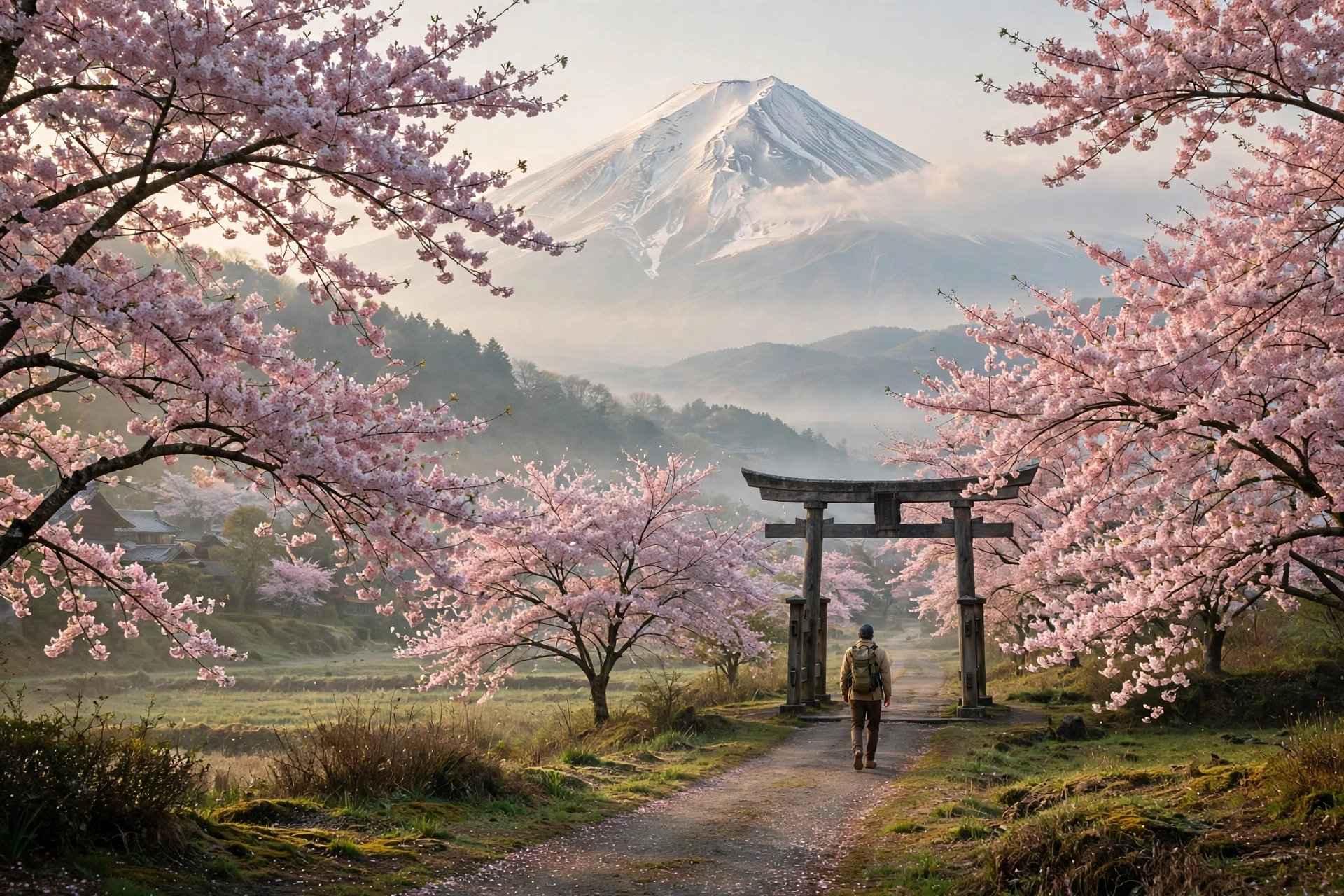
For most first-time travelers, the sweet spots are late March to May and October to November: the most comfortable weather, the most iconic scenery, and the easiest conditions for sightseeing. Below is a season-by-season guide to help you pick the timing that fits your priorities, budget, and tolerance for crowds.
The Short Answer: When Is the Best Time to Visit Japan?
If you want the classic first-trip experience, aim for spring or autumn. Spring (late March to May) gives you cherry blossoms, pleasant temperatures, and long daylight hours. Autumn (October to November) gives you clear skies, cool air, and colorful leaves without the intensity of the spring crowds. If your main goal is saving money or avoiding tourists, winter (excluding the New Year holidays) is the quietest and often the cheapest time to travel.
Spring (March to May): Cherry Blossoms and Mild Weather
Spring is Japan’s most famous season, and for good reason. Cherry blossoms typically bloom from late March to early April in Tokyo and Kyoto, arriving earlier in the south and later in the north. Parks, riversides, and temple grounds fill with pink and white blossoms, and the tradition of hanami — picnicking under the trees — is something every first-time visitor should experience at least once.
Temperatures in spring are comfortable, usually cool in March and warm by May. Rain is less of an issue than in early summer, and the long days make it easy to fit in a lot of sightseeing. The main drawback is popularity: cherry blossom season is the busiest time of year for international visitors, so hotels and popular sights book up early and prices rise. Visit famous spots early in the morning to beat the worst of it.
Late April to early May brings Golden Week, a cluster of national holidays when many Japanese people travel. Trains, hotels, and attractions are at their most crowded during this period, so first-time travelers are often better off visiting just before or after it.
Summer (June to September): Festivals, Heat, and Rain
Summer in Japan is lively but demanding. June and early July bring the rainy season to most of the country, with frequent showers and high humidity. From mid-July through August, temperatures climb and the humidity stays high, which can make city sightseeing exhausting.
What summer does offer is energy. This is festival season: fireworks displays, street parades, and traditional matsuri take place across the country, and the atmosphere in the evenings is wonderful. Mountain areas and the northern island of Hokkaido are cooler and greener, making them good summer escapes. If you travel in summer, plan indoor activities for midday, carry water, and choose accommodation with good air conditioning.
One practical note: mid-August brings the Obon holiday period, when many Japanese people return to their hometowns. Trains and domestic flights fill up, so book transport early if your trip overlaps with this week.
Autumn (October to November): Clear Skies and Fall Colors
Many experienced travelers consider autumn the best time to visit Japan. The heat and humidity of summer are gone, skies are often clear, and temperatures are comfortable for walking all day. From mid-November, autumn leaves turn temples, gardens, and mountain valleys shades of red, orange, and gold.
Autumn is also an excellent time for city sightseeing. Tokyo’s parks and gardens are at their most photogenic, and the cooler weather makes long days of exploring far more enjoyable than in summer. If your trip includes Tokyo in the autumn months, our guide to the best places to visit in Tokyo in autumn will help you plan which parks and neighborhoods to prioritize for the foliage.
Autumn crowds are noticeable at famous foliage spots in Kyoto and Nikko, but they are generally easier to manage than the spring cherry blossom rush, and hotel prices tend to be more moderate.
Winter (December to February): Quiet, Clear, and Often Cheaper
Winter is the most underrated season for a first trip to Japan. Outside of the New Year holiday period (roughly December 29 to January 3, when many businesses close and domestic travel peaks), cities are quiet, hotel rates drop, and the crisp, clear air makes for excellent views — Mount Fuji, for example, is most often visible on cold, clear winter days.
Winter is also the season for snow. Hokkaido and the Japan Alps offer world-class skiing and snowboarding, and snow-covered temples and hot-spring towns are genuinely magical. Daylight hours are short, though, and northern regions can be very cold. If you are visiting Tokyo in the colder months, our guide to places to visit in Tokyo during winter covers the seasonal illuminations, museums, and indoor attractions that work best at this time of year.
Best Time to Visit Japan by What You Want to Do
Your ideal month depends on what matters most to you:
- Cherry blossoms: late March to early April (Tokyo and Kyoto); earlier in southern Japan, later in the north.
- Autumn leaves: mid-November to early December in Tokyo and Kyoto; earlier in Hokkaido and the mountains.
- Festivals and fireworks: July and August.
- Skiing and snow: January and February.
- Lowest crowds and prices: January and February (outside New Year) and early December.
- Comfortable all-round sightseeing: April, May, October, and November.
Times First-Time Travelers May Want to Avoid
Three periods deserve a warning. Golden Week (late April to early May) combines several national holidays and produces some of the year’s heaviest domestic travel. Obon (mid-August) has a similar effect. New Year (late December to early January) sees many shops, restaurants, and attractions closed, along with packed trains as people travel home. None of these periods make a trip impossible, but they do require earlier booking and more patience.
Practical Planning Tips for Your First Trip
Once you have picked your season, a few practical steps make the trip smoother. Book flights and hotels as early as you can for spring and autumn, since these are the most popular windows. Pack layers: even in spring and autumn, mornings and evenings can be cool, and temples and gardens involve a lot of walking. Finally, consider your insurance before you go — medical care in Japan is excellent but expensive for uninsured visitors, so read our guide on how to choose travel insurance for an international trip before you book.
Also remember that Japan’s weather varies by region. Hokkaido in the north is cooler year-round, while Okinawa in the south stays warm much longer into autumn, so check the forecast for each stop rather than relying on a single national picture.
Frequently Asked Questions
Is spring or autumn better for a first trip to Japan?
Both are excellent. Choose spring if seeing cherry blossoms is your top priority, and autumn if you prefer slightly smaller crowds, clear skies, and fall foliage.
What is the cheapest time to visit Japan?
Generally January and February (outside the New Year holidays) and early December, when demand is lower and hotels often discount their rates.
Can I still see cherry blossoms in May?
In most of Honshu, no — the blossoms are gone by late April. In Hokkaido, however, they typically bloom in late April to early May, so a May trip north can still catch them.
Is summer a bad time to visit Japan?
Not at all, but it suits travelers who enjoy festivals and don’t mind heat and humidity. If you struggle in hot weather, choose spring or autumn instead.
Final Thoughts
For most first-time travelers, late March to May or October to November will give you the best overall experience: comfortable weather, beautiful scenery, and the iconic sights Japan is known for. If your budget is tight or you dislike crowds, winter is a smart alternative with its own quiet charm. Whatever season you choose, booking early and planning around Japan’s major holiday periods will do more for your trip than picking the theoretically perfect week.