
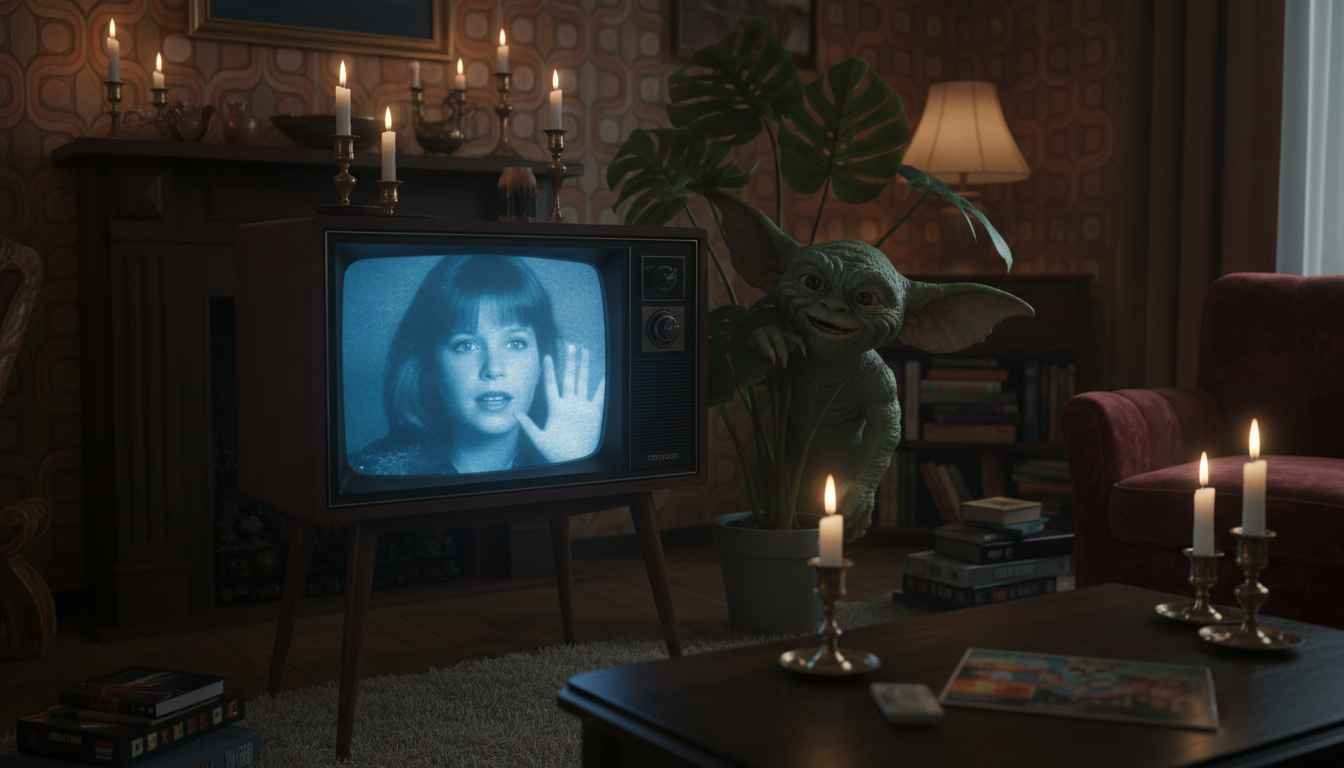
“The only thing we have to fear is fear itself.” – Franklin D. Roosevelt
Horror films have always held a unique place in cinema. They speak to our deepest fears, whether through monstrous creatures, supernatural forces, or the terrifying unpredictability of human nature. Within this genre, few studios have had as profound an impact as Amblin Entertainment. Founded by Steven Spielberg in the early 1980s, Amblin is best known for its adventures, family-friendly films, and thought-provoking dramas. However, a lesser-known aspect of its portfolio is its exploration of horror. This article will explore Amblin Entertainment’s forays into the horror genre, examining their innovative contributions, thematic depth, and the unique approach they bring to horror filmmaking.
Amblin Entertainment has produced a range of films that blur the lines between adventure, drama, and horror. While not traditionally a studio associated with the genre, Spielberg’s penchant for genre-defying storytelling has led to some truly memorable horror films. These films are not merely designed to shock; they engage the audience on an intellectual level, raising questions about fear, survival, and morality. For those who appreciate horror that goes beyond gore and jump scares, Amblin’s work offers a refreshing and thought-provoking take.
The relationship between Amblin Entertainment and horror is unique. While it is not a studio primarily associated with horror, its films often contain elements of suspense, thrill, and the supernatural. For example, movies such as *Poltergeist* (1982) and *The Goonies* (1985) feature moments of horror intertwined with adventure and childlike wonder. As we delve into the horror genre, it is important to understand that Amblin’s approach differs from conventional horror studios like Blumhouse or A24. Amblin’s horror often arises from the clash of the supernatural with the mundane, the unknown with the known, and the innocence of childhood with the terror of adulthood. This creates a distinct horror experience – one that not only scares but also challenges the viewer’s expectations of the genre.
For an in-depth analysis of the evolution of Amblin’s horror films, let us first explore some key films that define its contribution to the genre.
1. Poltergeist (1982): The Supernatural Meets Suburbia
Released in 1982, *Poltergeist* stands as one of Amblin’s most significant contributions to the horror genre. Directed by Tobe Hooper and produced by Steven Spielberg, the film tells the story of a suburban family whose home becomes the site of increasingly violent paranormal activity. While *Poltergeist* is often classified as a haunted house film, it incorporates elements of science fiction and family drama, which is typical of Amblin’s broader cinematic style.
The movie’s narrative approach is unique in that it centers around a family – something rarely seen in traditional horror films of the time. This focus on family adds an emotional depth that elevates the horror, making the supernatural occurrences all the more unsettling. The terror that ensues within the family home is not only about the ghosts themselves but also about the dissolution of the family unit as it struggles to survive. The juxtaposition of suburban normality with supernatural chaos makes *Poltergeist* an unsettling reflection on the fragility of modern life.
Amblin Entertainment, founded by renowned filmmaker Steven Spielberg, has long been celebrated for its contributions to cinema, particularly in the realm of family-friendly films. However, the studio’s foray into horror movies reveals a fascinating juxtaposition of themes and storytelling techniques that often go unnoticed. In this article, we delve into Amblin Entertainment’s unique approach to horror, examining how its films blend elements of suspense, emotion, and moral complexity. By analyzing key works and the evolution of the studio’s narrative style, we aim to shed light on the often-overlooked aspects of amblin entertainment horror movies and their impact on the genre. This exploration not only highlights the studio’s creative diversity but also prompts a deeper understanding of how horror can serve as a vehicle for broader themes within storytelling.
Taipei Times has covered the lasting influence of this film, particularly in its depiction of horror as a genre that transcends mere fear and anxiety. *Poltergeist* is not just a film about ghosts – it is about the trauma that disrupts the familiar and the unknown horrors lurking beneath the surface of daily life.
2. The Goonies (1985): Adventure, Comedy, and Unlikely Horror
While *The Goonies* is primarily known as a children’s adventure film, it also contains elements of horror that are often overlooked. Directed by Richard Donner and produced by Spielberg, the film follows a group of children on a treasure hunt that leads them to confront danger, criminals, and supernatural forces.
The horror in *The Goonies* is subtle but present, from the eerie underground tunnels to the sinister Fratelli family. What sets this film apart from conventional horror films is its ability to blend genres. The momentary scares, creepy atmosphere, and characters’ confrontations with death add to the adventure’s intensity. Spielberg’s signature approach to horror – where suspense and mystery elevate the stakes – can be felt throughout the film, making it a perfect gateway horror film for younger audiences.
3. Gremlins (1984): Horror with a Touch of Humor
Another standout in Amblin’s horror repertoire is *Gremlins*, directed by Joe Dante and produced by Spielberg. Combining horror, comedy, and Christmas themes, *Gremlins* tells the story of a small town terrorized by mischievous creatures after a seemingly harmless pet is given the wrong care instructions. The film operates in the space between horror and dark comedy, with a tone that is both frightening and absurd. The Gremlins themselves, with their grotesque appearance and anarchic behavior, are unsettling creatures that evoke both fear and laughter. This blending of genres was innovative at the time, making *Gremlins* an enduring classic in both horror and holiday cinema.
4. Potential Drawbacks
While Amblin’s venture into horror is admirable for its innovation and storytelling depth, there are potential drawbacks to consider. The studio’s approach to horror often veers away from the typical conventions of the genre. Some viewers may find this style too restrained, preferring the heightened tension and gore that typify modern horror. Moreover, the films produced under the Amblin banner often mix multiple genres, which can result in a diluted horror experience for those seeking pure fear. It’s also important to note that the horror in Amblin films is frequently more psychological and less visceral, which may not appeal to fans of more intense or traditional horror experiences.
5. Who Should Avoid This?
Amblin’s brand of horror is best suited for those who appreciate a blend of adventure, suspense, and supernatural elements. If you are someone who thrives on gore, slasher elements, or jump scares, Amblin’s films may not fully satisfy your craving for traditional horror. Similarly, if you seek films that push the boundaries of horror into extreme or disturbing territory, you may find Amblin’s more intellectual approach to horror to be underwhelming. However, for those who appreciate nuanced, atmospheric horror that invites the viewer to contemplate the deeper fears and emotions that shape human experience, Amblin’s offerings are a perfect fit.
Conclusion: Amblin’s Legacy in Horror
Amblin Entertainment’s foray into horror has been one of subtlety and psychological depth. Through films like *Poltergeist*, *The Goonies*, and *Gremlins*, Amblin has demonstrated that horror need not rely solely on gore and jump scares to captivate its audience. Instead, it can be an exploration of the unknown, the unsettling, and the fragile nature of the human experience. Amblin has set the bar for horror films that combine tension, emotion, and intellectual engagement. Whether through the innocence of childhood or the terror of supernatural forces, Amblin’s horror films continue to resonate with audiences worldwide.