
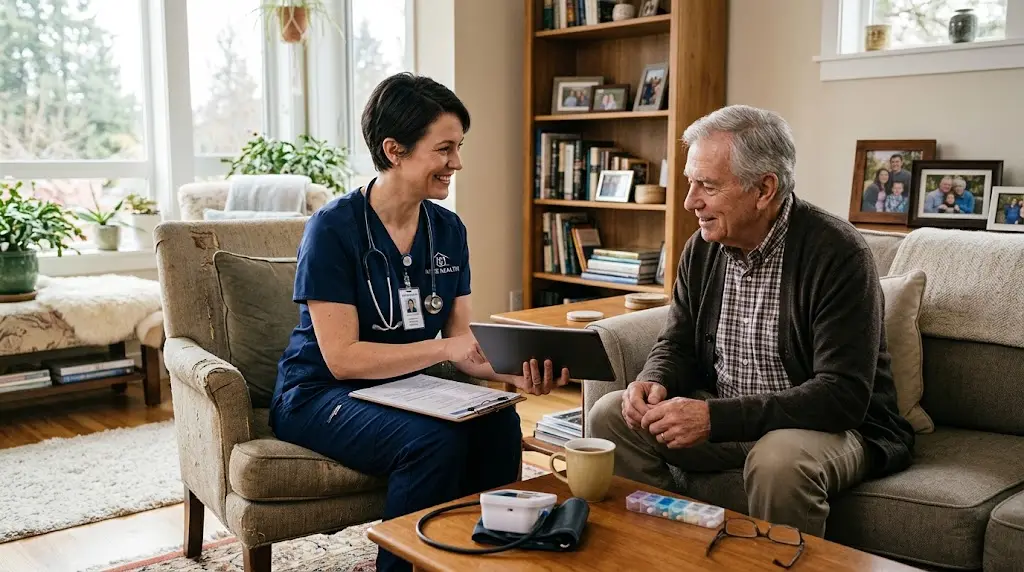
This guide explains what Tanner Home Health Services offers, who may qualify, how referrals work, the difference between skilled home health and ordinary in-home care, and what families should consider when arranging care.
What Is Tanner Home Health Services?
Tanner Home Health provides professional healthcare services in a patient’s home or another qualifying residential setting. Rather than requiring every patient to travel repeatedly to a medical facility, home health allows eligible people to receive certain skilled services where they live.
The program describes its purpose as supporting recovery and independence while helping patients manage their healthcare needs in familiar surroundings. Tanner states that its professionals are available around the clock to support patients and families.
This type of care can be particularly useful after a hospital stay, rehabilitation, surgery, illness, injury, or when someone needs professional assistance managing a medical condition.
Where Does Tanner Home Health Serve Patients?
Tanner Home Health currently identifies its service area as including Carroll, Coweta, Douglas, Haralson, Heard, and Paulding counties in Georgia.
The listed Tanner Home Health location is in Carrollton, Georgia. The official Tanner site currently lists the office at 100 Greenway Boulevard, Lower Level, Suite A, Carrollton, GA 30117, with a home health contact number of 770-834-5438.
Because service areas and administrative information can change, prospective patients should confirm current availability directly with Tanner before arranging care.
What Services Does Tanner Home Health Provide?
Tanner’s home health program brings together multiple healthcare disciplines so that care can be coordinated around the patient’s needs.
Its current service information includes:
- Skilled nursing care
- Physical therapy
- Occupational therapy
- Speech therapy
- Medical social services
- Home health aide support
- Telehealth support
- Bereavement counseling and support services
- Emotional and spiritual support
- Volunteer assistance
The exact services provided to an individual patient depend on the physician’s referral, eligibility, clinical needs, and the in-home assessment.
Skilled Nursing at Home
Skilled nursing is an important component of home health care. Registered nurses and other qualified nursing professionals can provide clinical services according to the patient’s care plan.
Depending on the patient’s needs and physician’s orders, home health nursing may support activities such as:
- Monitoring health conditions
- Medication management and education
- Wound care
- Health assessments
- Post-hospital recovery support
- Patient and caregiver education
- Communication with physicians and other providers
The purpose is not simply to provide companionship. Skilled home health is intended to address qualifying medical or rehabilitation needs under a professional plan of care.
Physical Therapy at Home
Physical therapy can help patients regain strength, mobility, balance, and functional abilities after illness, injury, surgery, or a period of reduced activity.
Receiving therapy at home can allow the therapist to consider the patient’s actual living environment when working on mobility and safety goals.
Examples of goals may include improving walking ability, increasing strength, practicing transfers, and helping patients become more independent with everyday movement.
Occupational Therapy
Occupational therapy focuses on helping people perform everyday activities more safely and independently.
For a patient recovering at home, occupational therapy may address activities such as dressing, bathing, using household equipment, or adapting routines to accommodate changes in physical ability.
The therapist can also identify potential safety concerns within the home environment and recommend appropriate strategies when clinically indicated.
Speech Therapy
Speech therapy is not limited to pronunciation or speaking difficulties. Depending on the patient’s condition, a speech-language pathologist may address communication, cognition, or swallowing-related needs.
This can be important for patients recovering from neurological conditions, illness, injury, or other circumstances that affect communication or safe swallowing.
Medical Social Services
Medical social workers can provide another layer of support for patients and families dealing with the practical and emotional challenges associated with illness.
Depending on the patient’s situation, social-service support may involve helping families understand available resources, coordinate community support, or navigate challenges related to ongoing care.
Home Health Aide Support
Home health aides can provide certain forms of personal support under the applicable care plan.
This should be distinguished from general housekeeping or unrestricted private-duty caregiving. The specific tasks and amount of aide support depend on the patient’s eligibility and authorized services.
Home Health Care vs. In-Home Care
One of the most important distinctions families should understand is the difference between home health care and in-home personal or custodial care.
Tanner explains that home health care is delivered by licensed healthcare professionals and focuses on medical needs such as wound care, physical therapy, medication management, and health monitoring. In-home care, by contrast, generally focuses on assistance with daily activities such as bathing, dressing, meal preparation, and light housekeeping.
If your family is trying to understand this distinction in greater detail, our related guide on compassionate home care services provides another perspective on arranging supportive care for loved ones.
Who May Qualify for Tanner Home Health?
Eligibility depends on the patient’s health situation and the requirements of the applicable healthcare program or insurance coverage.
Tanner currently indicates that a patient may qualify when they:
- Have difficulty leaving home without considerable assistance
- Require skilled care from a nurse, physical therapist, or speech therapist
- Are under the care of a physician
Tanner also states that it accepts Medicare and Medicaid and can review eligibility under private insurance or HMO coverage at no charge.
Meeting one or more general criteria does not necessarily guarantee coverage or acceptance. A clinical assessment and applicable insurance requirements still matter.
How Do You Get Tanner Home Health Services?
Home health care generally begins with a referral from an appropriate healthcare professional.
Tanner states that a physician can refer a patient after an office visit, hospitalization, or rehabilitation stay. The services ultimately provided are determined by the physician’s referral and Tanner’s in-home assessment.
This process helps ensure that the care provided is connected to the patient’s documented medical and rehabilitation needs.
What Happens During an In-Home Assessment?
An in-home assessment allows the care team to understand the patient’s condition, functional abilities, environment, and support needs.
The assessment can help determine:
- Which skilled services may be appropriate
- How frequently visits may be needed
- What safety concerns exist in the home
- What education the patient or caregiver may need
- Which professionals should participate in the care plan
- What progress should be monitored
The resulting care plan should reflect the patient’s individual circumstances rather than applying the same service package to everyone.
Why Home Health Can Help After Hospitalization
Leaving the hospital does not necessarily mean that a person has completely recovered.
A patient may still need help managing medications, rebuilding strength, learning new routines, monitoring symptoms, or safely moving around the home.
Home health can bridge part of that transition by bringing qualified professionals into the home environment.
Tanner’s own 2026 educational material describes home health as an option for adults recovering from surgery, illness, or injury and for people managing chronic conditions. It also highlights skilled nursing, physical, occupational and speech therapy, medical social services, and personal-care support as parts of its service model.
Home Health for Chronic Conditions
Home health is not limited to short-term recovery. Some eligible patients with chronic conditions may benefit from professional monitoring, education, therapy, and support designed to help them remain safely at home.
Tanner’s educational information specifically mentions conditions such as heart failure, COPD, and diabetes among situations in which home health can assist patients.
The goal is generally to help patients manage their condition while maintaining as much independence and safety as possible.
Benefits of Receiving Care at Home
Home-based care offers several potential advantages.
Familiar Environment
Patients can receive appropriate services in a familiar setting rather than traveling to a facility for every visit.
Personalized Support
Care can be structured around the patient’s specific medical and functional needs.
Caregiver Education
Family members and caregivers can receive education relevant to the patient’s care plan.
Greater Independence
Therapy and skilled support can help eligible patients work toward greater independence in everyday activities.
Care Coordination
Because Tanner Home Health is part of the broader Tanner Health system, the organization says its providers can coordinate care and communicate across the health system.
How Tanner Home Health Differs From a Nursing Home
Home health and residential skilled nursing are different models of care.
With home health, the patient remains in their own home while healthcare professionals make scheduled visits. A nursing facility, by contrast, provides a residential setting where care and support are available on-site.
Home health may therefore be appropriate for someone who can remain safely at home but still requires qualifying skilled services.
The right choice depends on medical needs, mobility, caregiver availability, safety, and the recommendations of the patient’s healthcare team.
Insurance and Payment Considerations
Understanding coverage is an important part of arranging home health.
Tanner states that its Home Health program accepts Medicare and Medicaid and can verify benefits with private insurance or an HMO.
Coverage requirements can vary according to the insurance program and the patient’s circumstances. Families should confirm eligibility, covered services, authorization requirements, and any potential patient responsibility before services begin.
Our existing article about medical costs and insurance coverage provides additional general context about how deductibles, coinsurance, provider charges, and insurance rules can affect healthcare expenses.
Questions to Ask Before Starting Home Health
Families can make the process easier by asking questions before the first visit.
- Has the physician completed the required referral?
- Which home health services have been ordered?
- How often will visits take place?
- Which professionals will participate in the care plan?
- How long is the expected episode of care?
- What insurance coverage applies?
- Are there authorization requirements?
- What should the patient or caregiver do between visits?
- Who should be contacted if the patient’s condition changes?
- What safety concerns should the family address at home?
Preparing the Home for a Home Health Visit
A safe and organized environment can make home visits more productive.
Before care begins, families can:
- Clear walking paths
- Keep medications organized
- Prepare a list of current medications
- Have relevant medical documents available
- Provide the care team with emergency contact information
- Identify mobility or fall hazards
- Prepare questions about symptoms or daily challenges
Patients and caregivers should follow the individualized instructions provided by their healthcare professionals rather than relying on generic home-care advice.
How Families Can Support Recovery at Home
Family involvement can be valuable, particularly when a patient is learning new routines or adjusting after hospitalization.
Caregivers can help by keeping appointments organized, following professional instructions, communicating changes in the patient’s condition, supporting prescribed exercises, and maintaining a safe home environment.
However, caregivers should not attempt clinical tasks outside their training. When a medical concern arises, contact the patient’s healthcare provider or the appropriate care team.
Other Home Care Resources on ZenithNote
Tanner Home Health is part of a broader group of home-care and healthcare topics available on ZenithNote. Readers who are researching different forms of support can also explore our article on Haven Home Care Services, which provides another perspective on home-based care.
For readers researching healthcare providers more generally, our guide to CenterPoint Health in Franklin, Ohio covers a different healthcare organization and demonstrates why patients should evaluate services, location, and care options according to their individual needs.
These resources address different organizations and care models, so readers should not assume that services, eligibility, or coverage are identical between providers.
When Should You Contact a Healthcare Provider?
Home health is intended to support an established healthcare plan. It should not be used as a substitute for emergency medical care.
If a patient experiences a serious or potentially life-threatening emergency, call 911 or seek emergency medical attention immediately.
For non-emergency changes in symptoms, medication concerns, worsening function, or other healthcare questions, contact the patient’s physician or home health team according to the care plan.
Frequently Asked Questions About Tanner Home Health Services
What is Tanner Home Health Services?
Tanner Home Health is a home-based healthcare program providing skilled services to eligible patients in their homes or other qualifying residential settings.
What services does Tanner Home Health provide?
Services include skilled nursing, physical therapy, occupational therapy, speech therapy, medical social services, home health aide support, telehealth support, and other listed support services.
Where does Tanner Home Health operate?
Tanner currently identifies Carroll, Coweta, Douglas, Haralson, Heard, and Paulding counties in Georgia as its service area.
Does Tanner Home Health accept Medicare?
Yes. Tanner states that its Home Health program accepts Medicare and Medicaid and can review private insurance or HMO eligibility.
Do I need a doctor’s referral?
Tanner states that a physician can refer patients for home health after an office visit, hospitalization, or rehabilitation stay. Services are then determined by the referral and in-home assessment.
Is home health the same as a home caregiver?
No. Skilled home health focuses on qualifying medical and rehabilitation needs, while personal or custodial home care generally focuses on assistance with everyday activities.
Can home health help after surgery?
Home health can support eligible patients recovering from surgery, illness, or injury. The services available depend on the physician’s referral, clinical needs, and eligibility requirements.
Does Tanner Home Health provide therapy at home?
Yes. Tanner lists physical, occupational, and speech therapy among its home health services.
Final Thoughts
Tanner Home Health Services provides a multidisciplinary approach to skilled home healthcare for eligible patients in its Georgia service area. From nursing and therapy to medical social services and home health aide support, the program is designed to help patients recover, manage health needs, and remain as independent as possible in familiar surroundings.
The most important step is determining whether home health is appropriate for the patient’s medical situation and whether the individual meets the applicable eligibility and insurance requirements. Tanner’s current information indicates that physician referral and an in-home assessment help determine the services a patient receives.
If you or a loved one is considering Tanner Home Health, confirm the current service area, referral process, insurance coverage, and available services directly with Tanner Health before making care arrangements.
This article is for general informational purposes only and is not medical advice. Healthcare eligibility, services, insurance coverage, and provider information can change. Consult the patient’s physician and the healthcare provider for advice specific to an individual situation.