
What Defines Modern T&Y Fashion Trends?
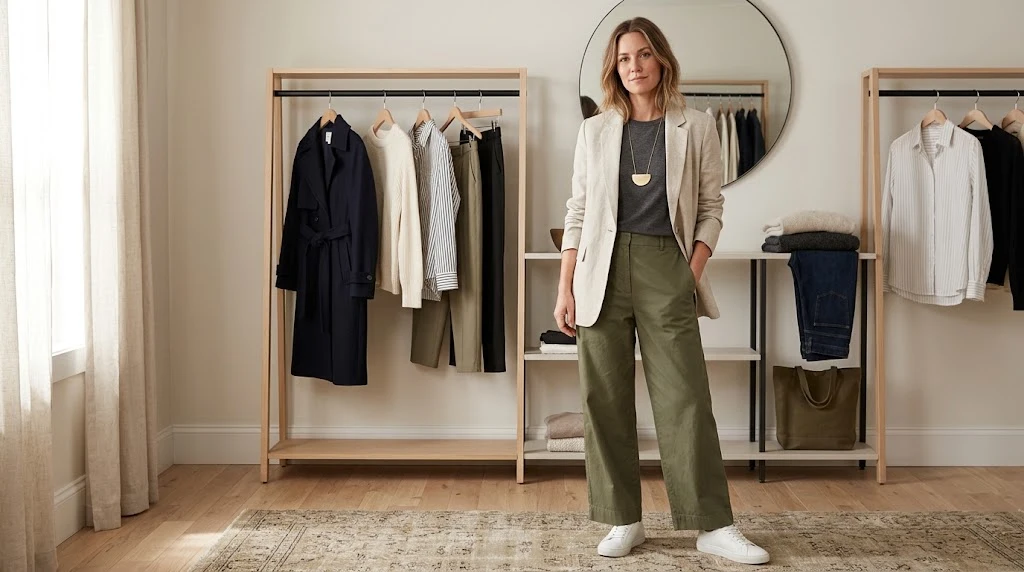
Modern fashion is no longer about following every runway trend. Instead, many shoppers are looking for clothing that can work across different occasions while still feeling current. This approach places greater emphasis on versatility, proportion, fabric, color, and styling.
A contemporary wardrobe may combine relaxed tailoring with casual basics, statement pieces with neutral essentials, and traditional silhouettes with updated details. The result is a more flexible style that can adapt to work, social occasions, travel, and everyday life.
Historical clothing can also influence modern design. For example, peasant fashion from the 1760s demonstrates how practicality, durable fabrics, layering, and functional clothing have long influenced the way people dress.
Build Your Wardrobe Around Versatile Essentials
A strong wardrobe begins with pieces that can be worn in multiple ways. Instead of buying clothing simply because it is trending, consider whether an item works with pieces you already own.
Useful foundations include well-fitting trousers, versatile shirts, simple knitwear, lightweight jackets, comfortable footwear, and neutral-colored layers. These items can provide the structure needed to experiment with more noticeable seasonal trends.
The goal is not to own a large number of clothes. A smaller collection of adaptable pieces can often provide more outfit combinations than a wardrobe filled with items that only work for one specific look.
Relaxed Silhouettes Are Easy to Style
Relaxed clothing has become an important part of contemporary style because it offers freedom of movement without necessarily looking casual or unfinished. Wide-leg trousers, relaxed shirts, oversized outerwear, and loose-fitting knitwear can create a modern silhouette when balanced correctly.
Proportion is particularly important when wearing relaxed clothing. Pairing a loose top with structured trousers or balancing wide-leg pants with a more defined upper layer can keep the outfit visually intentional.
Rather than choosing oversized pieces from head to toe, experiment with one relaxed element at a time. This makes the trend easier to incorporate into an existing wardrobe.
Layering Adds Depth to Everyday Outfits
Layering is one of the most practical ways to make a wardrobe more versatile. A basic outfit can look completely different when a jacket, cardigan, overshirt, scarf, or lightweight coat is added.
Successful layering depends on combining different lengths, textures, and weights. Lightweight fabrics can sit closer to the body, while heavier outer layers create structure. This approach also makes clothing more adaptable when temperatures change throughout the day.
Layering does not need to be complicated. Start with two or three complementary pieces and build from there.
Neutral Colors Create More Outfit Options
Neutral colors remain valuable because they can be combined easily. Black, white, cream, beige, navy, gray, brown, and muted green can provide a flexible foundation for seasonal fashion.
That does not mean a wardrobe should be completely neutral. A statement color can add personality when used strategically. A bright top, colorful accessory, or patterned layer can become the focal point of an otherwise simple outfit.
The advantage of a neutral base is that it allows trend-driven colors to be introduced without requiring an entirely new wardrobe.
Choose Fabrics for Comfort and Function
Good style is easier to maintain when clothing feels comfortable. Fabric choice affects how an outfit looks, moves, and performs throughout the day.
Cotton can work well for everyday basics, while wool and other insulating fabrics can provide warmth during colder weather. Linen is often valued for its lightweight feel, while denim remains a practical option for casual dressing.
The historical example of 1760s rural clothing also shows how fabric choices were closely connected to practicality. Durable wool, linen, and other natural materials were valued because clothing needed to withstand demanding daily use. The evolution of practical clothing continues to offer useful inspiration for modern wardrobes.
Statement Pieces Can Transform Simple Looks
A statement piece does not have to be extravagant. It can be a distinctive jacket, unusual pair of shoes, textured bag, patterned shirt, bold jewelry, or an interesting pair of trousers.
The key is to give the statement item enough visual space. If several bold pieces compete for attention, the outfit can become difficult to balance. One strong focal point surrounded by simpler pieces is often more effective.
This strategy also makes trend experimentation more affordable. Instead of replacing an entire wardrobe, you can update familiar outfits with one or two carefully selected pieces.
Accessories Complete the Look
Accessories can change the character of an outfit without requiring major wardrobe changes. Belts, watches, scarves, bags, jewelry, sunglasses, and footwear all contribute to the final impression.
Accessories should support the overall outfit rather than compete with every other element. A simple outfit can benefit from a distinctive accessory, while a more detailed outfit may look better with understated finishing touches.
Functional accessories are especially useful because they combine style with everyday practicality. This principle can also be seen in historical clothing, where belts, head coverings, and bags served practical purposes as well as contributing to personal appearance.
Modern Fashion Is About Personal Expression
One of the biggest advantages of contemporary fashion is the freedom to combine different influences. You do not have to follow a single aesthetic from head to toe.
A person might combine minimalist basics with vintage-inspired accessories, relaxed streetwear with tailored pieces, or classic clothing with contemporary footwear. The most successful outfits often reflect the wearer’s lifestyle rather than simply copying what is popular online.
Fashion can communicate personality, profession, interests, mood, and cultural influences. The best trends are therefore the ones that can be adapted rather than followed rigidly.
How to Refresh Your Wardrobe Without Overspending
Updating your style does not require buying a completely new wardrobe. Begin by reviewing what you already own and identifying the pieces you wear most frequently.
- Remove unused pieces: Separate clothing that no longer fits your lifestyle or preferences.
- Identify wardrobe gaps: Look for practical items that would create more outfit combinations.
- Prioritize versatile pieces: Choose clothing that can be styled for multiple occasions.
- Add one trend at a time: Test current styles before investing heavily in them.
- Experiment with accessories: Small changes can make familiar outfits feel new.
- Focus on fit: Even inexpensive clothing can look polished when the proportions work well.
Balance Trends With Timeless Style
Trends can make fashion exciting, but timeless pieces provide stability. A wardrobe that relies entirely on short-lived trends may quickly feel outdated, while a wardrobe containing only classic basics may feel repetitive.
A practical balance is to use timeless clothing as the foundation and introduce seasonal trends through smaller additions. This creates flexibility without making every purchase dependent on what happens to be popular at the moment.
The enduring influence of practical historical clothing illustrates why durability and functionality can remain relevant even as aesthetics change. Historical fashion and modern clothing share an important lesson: clothes work best when style and function support each other.
Consider Sustainable Fashion Choices
Wardrobe improvement can also involve buying more thoughtfully. Choosing durable garments, caring for clothing properly, repairing items when practical, and avoiding unnecessary purchases can help create a more intentional wardrobe.
Quality does not always mean expensive. A useful purchase is one that fits well, serves a genuine need, works with existing clothing, and is likely to remain useful over time.
Before purchasing a trend-driven item, ask whether you can create at least several outfits with it. If the answer is yes, the item is more likely to earn a place in your regular wardrobe.
Fashion Trends for Different Occasions
Everyday Casual Style
For everyday dressing, prioritize comfort and flexibility. Denim, relaxed trousers, simple tops, sneakers, lightweight jackets, and practical bags can create outfits that work across many daily activities.
Smart-Casual Dressing
Smart-casual outfits benefit from combining relaxed and structured elements. A tailored jacket over a simple shirt or polished trousers paired with a clean knit top can create a balanced appearance.
Workwear
Professional clothing should reflect the expectations of the workplace while still allowing personal style. Neutral colors, clean silhouettes, quality basics, and subtle accessories can provide a dependable foundation.
Social and Evening Looks
Social occasions offer more room for experimentation. A distinctive jacket, elegant accessories, interesting texture, or stronger color can make an outfit feel more intentional without becoming uncomfortable.
Common Fashion Mistakes to Avoid
Following trends too literally can sometimes produce outfits that do not suit the wearer. One common mistake is prioritizing appearance over comfort, which can make clothing difficult to wear regularly.
Another mistake is buying items without considering the existing wardrobe. A visually appealing piece may have limited value if it cannot be combined with other clothing.
Ignoring fit is another frequent problem. A simple, well-fitting outfit can look more polished than an expensive outfit with poor proportions.
A Simple Formula for Building Better Outfits
A useful approach is to start with a foundation, add one visual point of interest, and finish with practical accessories.
Foundation: Choose a comfortable base such as trousers and a simple top.
Structure: Add a jacket, cardigan, overshirt, or another layer.
Interest: Introduce color, texture, pattern, or a distinctive item.
Finish: Complete the outfit with footwear and accessories that support the overall look.
This simple framework makes it easier to experiment with current fashion trends while maintaining a cohesive appearance.
Frequently Asked Questions
What are T&Y fashion trends?
T&Y fashion trends can be viewed as a modern styling approach focused on contemporary clothing, versatile wardrobe pieces, updated silhouettes, thoughtful layering, and personal expression.
How can I update my wardrobe without replacing everything?
Start with the clothes you already own. Identify gaps, improve combinations, and introduce a few trend-focused pieces or accessories rather than replacing your entire wardrobe.
What makes an outfit look modern?
Modern style often comes from balanced proportions, current silhouettes, clean layering, thoughtful color combinations, and accessories that complement the outfit.
Are fashion trends worth following?
Trends can provide inspiration, but they do not need to be followed exactly. Choose trends that fit your lifestyle, comfort preferences, existing wardrobe, and personal style.
How can I make basic clothing look more fashionable?
Experiment with layering, proportions, footwear, accessories, color combinations, and one distinctive statement piece. Small styling changes can significantly alter a basic outfit.
Final Thoughts
T&Y fashion trends are best approached as a source of inspiration rather than a strict set of rules. The strongest wardrobe combines modern ideas with practical essentials, comfortable fabrics, useful layering, and pieces that genuinely reflect personal style.
You do not need to chase every new trend to look current. Instead, build a flexible foundation, experiment with contemporary silhouettes, use accessories thoughtfully, and choose clothing that can work across different occasions.
Ultimately, great style is not simply about wearing what is popular. It is about understanding what works for you and using fashion to create a wardrobe that feels modern, comfortable, practical, and authentically yours.