
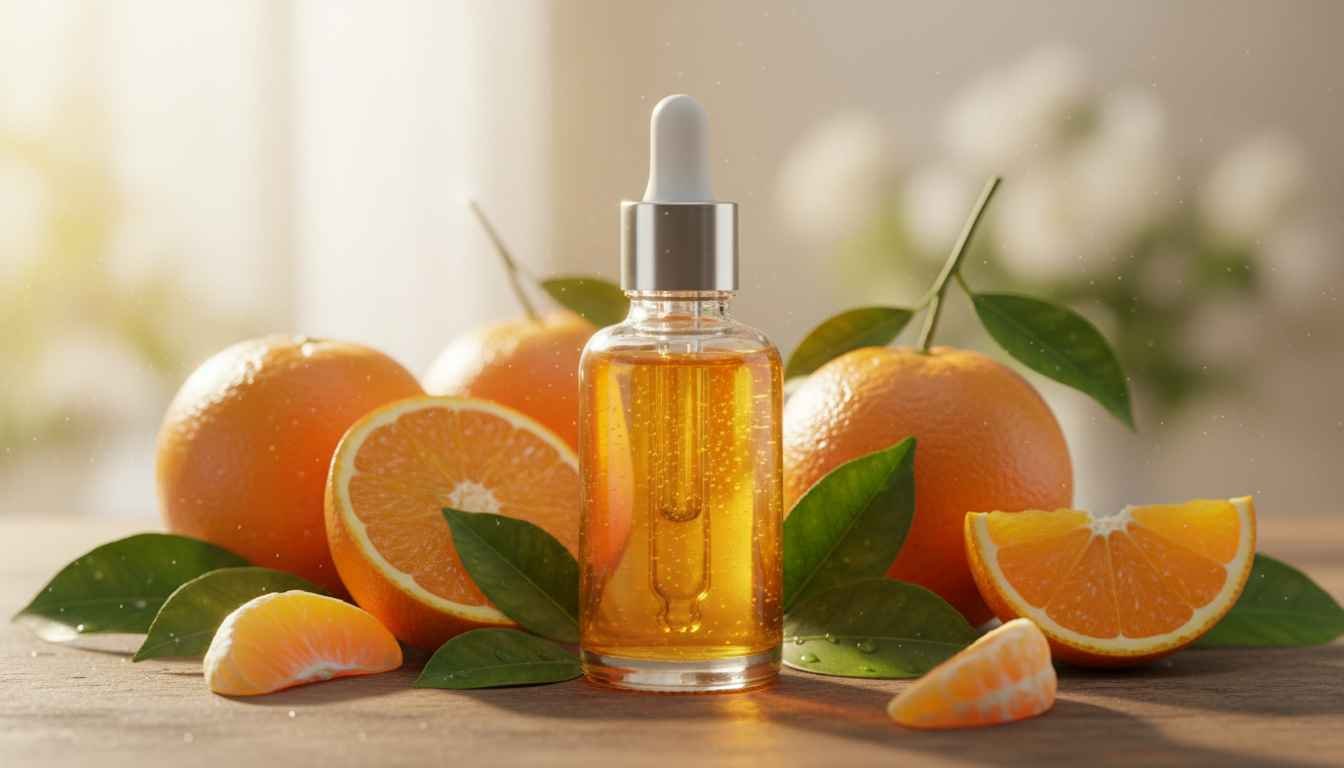
The devil is in the details. You’ve probably been told vitamin C is the miracle ingredient for your skin – brightening, anti-aging, and somehow erasing all evidence of your questionable teenage skincare choices. Let me cut through the hype: most of what you hear is half-truths and wishful marketing fluff. If you’re looking for honest answers, you’ve come to the right place.
First, let’s tackle what vitamin C actually does. Scientifically, it’s a potent antioxidant, which means it neutralizes free radicals that accelerate skin aging. Sounds impressive, right? But here’s the catch: your skin isn’t a sponge. Vitamin C is notoriously unstable, oxidizing the moment it meets air or light. That expensive serum sitting on your shelf might already be a useless bottle of orange water. For maximum effect, formulations need airtight packaging and stabilizers that most brands conveniently skip or sugarcoat in their claims.
Clinical experience confirms this. Take a 2019 study published in the Journal of Cosmetic Dermatology, where participants used a stabilized 10% vitamin C serum over 12 weeks. The results? Noticeable improvement in skin brightness and fine lines – but only when the serum was stored correctly and applied consistently. The takeaway: vitamin C works, but only if the science behind it isn’t ignored. This is why you need to be picky about what you actually buy. Check out Mitchum Official Website for products that respect formulation integrity.
AMA: Everything You’re Afraid to Ask About Vitamin C Skincare
Q: Can I just use any vitamin C serum?
A: No. If your serum is exposed to light or comes in a clear bottle, chances are it’s already degraded. Look for air-tight, opaque packaging. Concentration matters too – too low and it’s ineffective; too high and you risk irritation.
Q: Will it erase wrinkles overnight?
A: Absolutely not. Vitamin C is not a magic wand. Expect incremental improvements over months, not miraculous overnight transformations. Anyone promising instant results is selling snake oil.
Q: Can I layer it with other active ingredients?
A: Caution required. Vitamin C can play nice with hyaluronic acid and peptides, but combining it with benzoyl peroxide or retinol can destabilize it, rendering it useless and potentially irritating your skin.
Q: What about my sensitive skin?
A: Patch test or proceed with extreme caution. Even low concentrations can cause redness, tingling, or breakouts for sensitive skin types. Don’t ignore your body’s warning signs because marketing tells you otherwise.
Reality Check: Expectation vs Reality
Expectation: One serum, one application, flawless glowing skin.
Reality: Vitamin C improves tone gradually, requires consistent use, proper storage, and pairing with sunscreen to prevent oxidation damage.
Expectation: You can mix it with any skincare product.
Reality: Mixing without knowledge often nullifies benefits or triggers irritation. Less is more.
Who Should Avoid This?
If you have extremely sensitive skin, rosacea, eczema, or are prone to chemical burns, vitamin C may do more harm than good. Overuse or high concentrations can cause redness, peeling, and a flare-up of existing skin conditions. Pregnant or nursing individuals should consult a dermatologist before diving in – vitamin C isn’t inherently dangerous, but your skin’s barrier might not tolerate aggressive formulations.
Case Study: When Science Meets Reality
Consider Sarah, a 34-year-old graphic designer, who tried a mid-range vitamin C serum from a popular brand. Within two weeks, she experienced redness and stinging. After switching to a stabilized formula with a 10% concentration in air-tight packaging, her hyperpigmentation began fading within 8 weeks. The difference? Formulation integrity, correct concentration, and consistent use – not hype. Her experience proves that blindly following marketing claims is a recipe for wasted money and frustration.
Bottom line: vitamin C can transform your skin, but only if you approach it with the same rigor you’d apply to investing in anything valuable. Ignore the fluff, read labels carefully, and don’t fall for the hype that promises instant miracles. Your skin deserves honesty, not marketing theater.